A garden checklist by season works best when it hangs on one date: your local last frost date. Count back from it for seed starting, forward for transplanting and frost cover, then fit the other seasons around those anchors.
Projects that are not tied to frost, such as bed building and winter protection, are covered under Seasonal Garden Projects. The sections below run from the decision that comes first to the jobs that follow each season.
Choosing where to start
Three questions decide which part of this checklist to open first. Answer them in order and the rest of the year falls into place.
- Do you know your last frost date? If not, find it before buying seed or filling trays. Every spring job below depends on it, so it is the first task whatever the month.
- What is the current season? Jump to the matching section. Late winter belongs to seed starting, spring to mulch, direct sowing and transplanting, summer to routine upkeep, fall to bulbs and cleanup, and winter to protection and planning.
- Is the job living or built? Planting jobs follow the frost calendar closely. Building jobs, such as a raised bed, are looser and can fill a quiet week.
If you are starting from scratch, spend the first hour on the frost date and the second on a rough sketch of the beds. Those two pieces of paper make the rest of the checklist easier to schedule, and the sections below assume you have them.
Finding the frost dates that drive the checklist
A last frost date is the average point after which frost stops being a regular risk in spring, and a first frost date is the matching point in autumn. Both are estimates built from past data, so treat them as planning anchors rather than promises.
Reading a frost window
The University of Maine Cooperative Extension gives a clear example for Belgrade, Maine, where the average risk of frost runs from September 17 through May 27. Extension staff stress that dates like these will always be an estimation, varying by location and by year. That one sentence shapes how to use the whole checklist: the window is a zone of risk, not a line on the calendar.
A second example comes from a Wisconsin farm. Its growers expect the last killing frost to arrive around April 30. Two places, two different anchors, which is exactly why a checklist copied from a neighbour in another region misleads. Use the example dates only to see how a window looks, then substitute your own.
Getting your own dates
Extension advice in Maine is to plug a zip code into a frost-date tool and read the percentages based on past data. A percentage-based result is more useful than a single date, because it shows how often frost has still occurred after a given day. Choose a cautious percentage for tender crops and a bolder one for hardy crops.
Seed companies add a second layer. Sow True Seed, for instance, publishes monthly chores and planting calendars organized by USDA zone, including a complete Zone 8 chores guide by month. Zone calendars are a good starting point if you want a month-by-month outline. Frost dates remain the better tool for timing individual sowings, because two gardens in the same zone can still have different frost windows.
Late winter: seed starting indoors
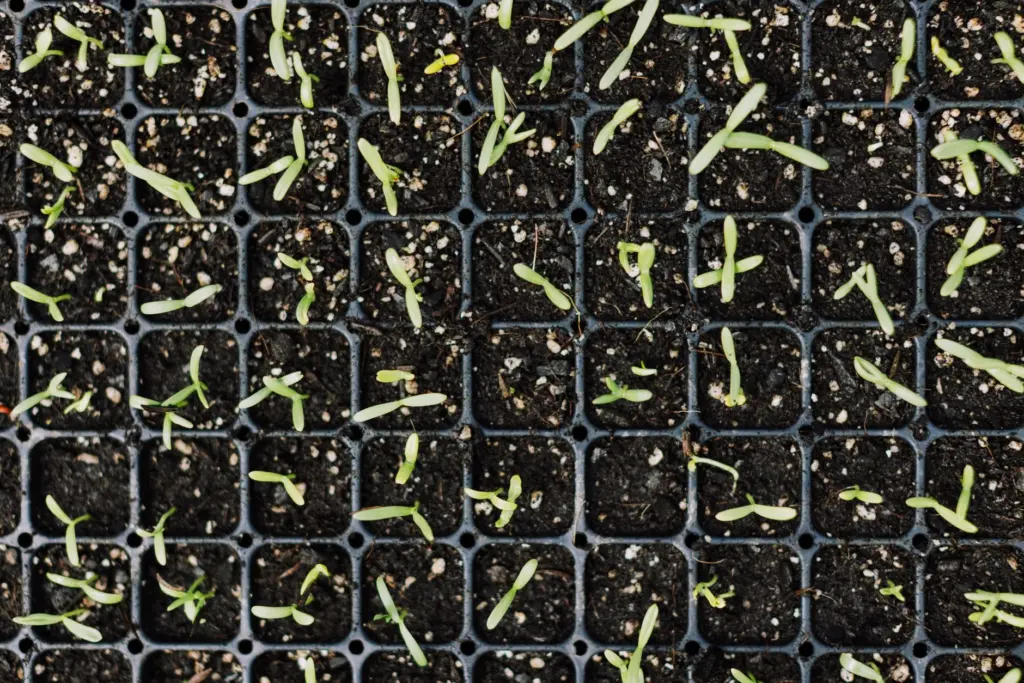
Indoor seed starting is calculated backward from the last frost date. The Suburban Farmhouse advises using each crop’s sowing information together with your last frost date to calculate when to sow seeds indoors. In practice that means choosing the frost date first, then reading each seed packet for how many weeks ahead of it that crop should be sown.
A step list for sowing week
- Write your last frost date at the top of a page.
- List every crop you intend to start indoors, with the lead time given for it on its packet or in its growing guide.
- Work back from the frost date for each crop and note the sowing week beside it.
- Group crops with the same sowing week so you fill trays in a single session.
- Label every tray with crop name and sowing date before it goes anywhere near a window.
Staggering is the main judgement here. A gardener with limited window space should sow the crops with the longest lead time first and leave quick ones for later, rather than crowding everything into one weekend.
When this does not apply
Not everything belongs indoors. Cool-season roots can skip the tray entirely: the Suburban Farmhouse notes that carrots and beets could be direct sown as early as late March in its Wisconsin garden. If a crop can go straight into the bed, doing so saves window space for the plants that truly need a head start.
Spring projects: waking up the beds
Spring jobs run in a sequence: uncover the soil, sow what is hardy, then harden off and transplant what was started indoors. The order matters more than the exact dates, so tie each step to the frost window you found earlier.
Mulch removal
Mulching is the first spring decision. The Suburban Farmhouse recommends that in March you remove the mulch or other ground cover from garden beds so the soil can warm. Pull it back from beds you intend to sow soon. Beds you will not plant for several weeks can stay covered a little longer, since uncovering them early gains nothing.
Hardening off and transplanting
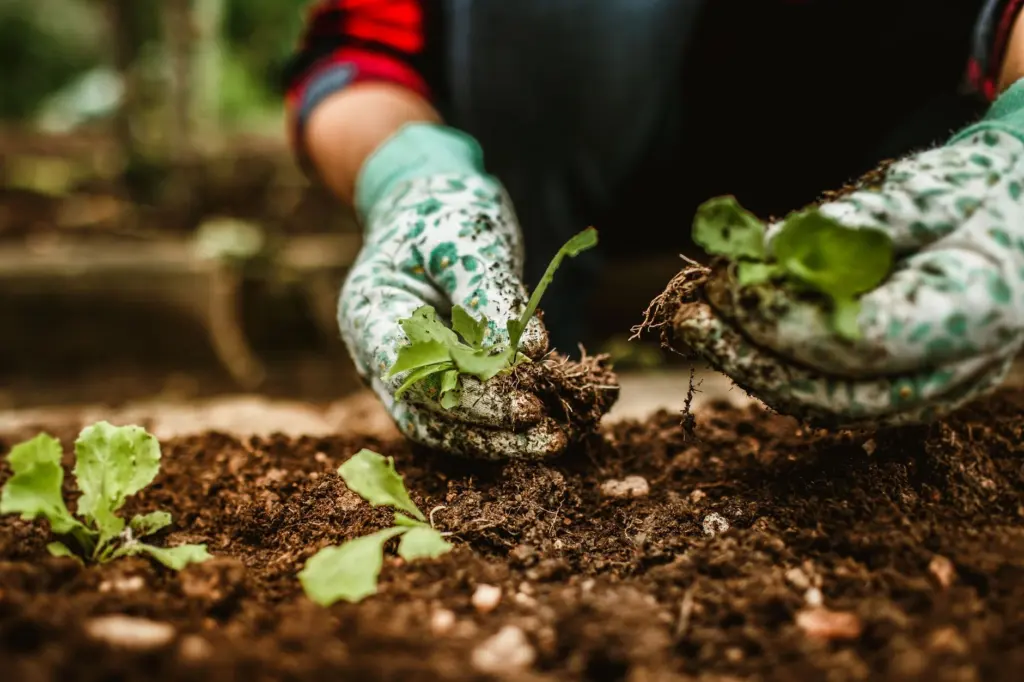
Seedlings raised indoors need a gradual introduction to outdoor conditions. The farm’s routine is to start by moving them outside for a couple of hours a day, then increase the time over about a week. A fuller walkthrough is in how to harden off seedlings, which is the right next read before the first transplanting day.
Transplant only after the schedule and the weather agree. Work the soil lightly, lift each seedling gently, and set it into a prepared hole. If a crop is tender and the forecast is uncertain, wait a few days rather than gamble on a date.
Watching the frost window
Even after the estimated last frost date passes, the weeks around it remain the riskiest. Maine extension staff advise watching the weather during those weeks and being prepared to cover tender seedlings or late plantings if necessary. Keep old sheets, row cover or upturned containers where you can reach them quickly. For the full set of methods, see how to protect plants from frost.
Spring planting of tender and summer-flowering bulbs
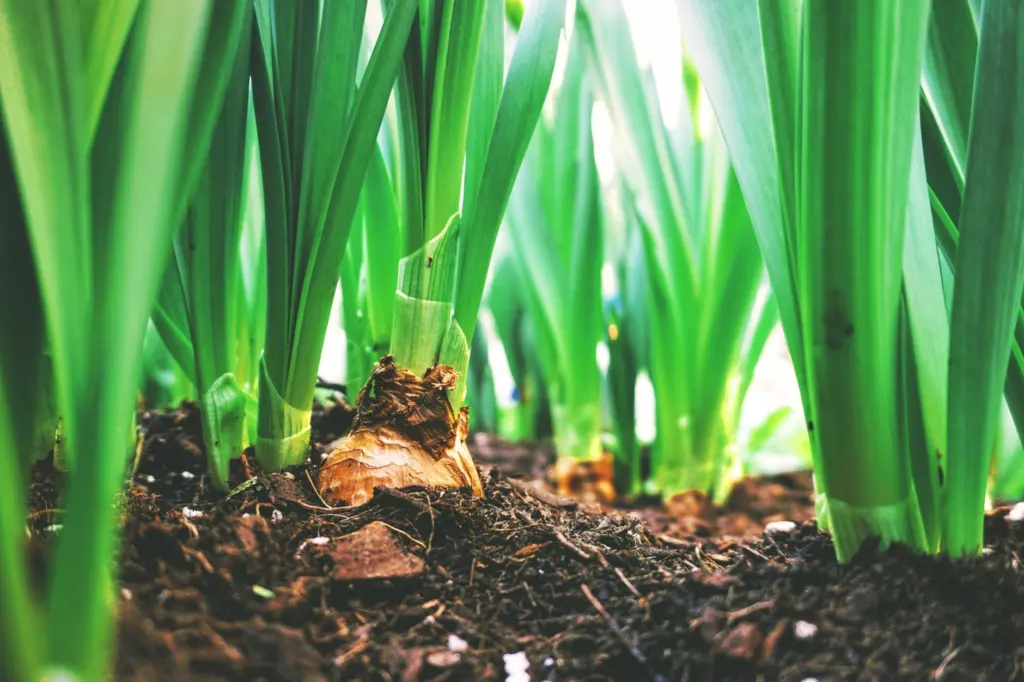
Some bulbs belong in the spring schedule rather than the autumn one, and each has its own timing. Check the species guides: When To Plant Dahlia Bulbs: Timing Tips For Bigger Blooms In Your Zone (2026), When To Plant Canna Bulbs: The Smart Guide To Timing, Planting, And Season-Long Care (2026) and When To Plant Ranunculus: The Seasonal Guide To Gorgeous Blooms (2026). Because their timing differs, choose by plant rather than by a single bulb date, and read the species guide before you buy.
When To Plant Butterfly Bush: The Best Timing By Zone + Seasonal Planting Tips (2026 Guide) shows how zone changes the planting window for a single shrub.
Summer upkeep: small jobs done often
Summer is the season for routine, not projects. The most useful habit is a short, regular visit that catches problems while they are small, rather than an occasional long session.
The Suburban Farmhouse describes spending about 15 minutes each morning pulling out any little weeds in June. That is a workable model for a small garden: weeds removed early are far easier to pull than weeds left to establish. Scale the habit to your own space, and keep it short enough that you actually do it.
Mulch, water and a quick check
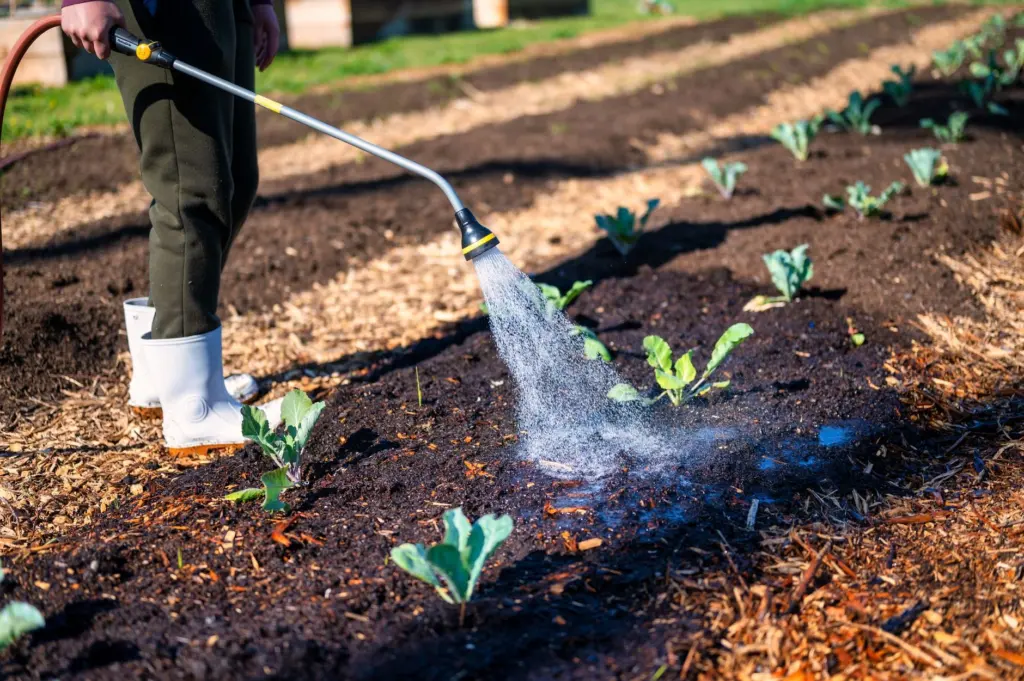
Mulch is not only a spring and fall job. The same material that was lifted in March to warm the soil is a sensible cover once beds are planted and growing. The decision to make is simple: pull mulch back where you are sowing, and lay it where plants are already established. A watering wand or hose, used consistently, rounds out the daily routine.
If you use a sprinkler system rather than a hose, remember that it needs its own end-of-season attention, covered under winter protection below.
Fall projects: planting, cleanup and lawn
Fall mixes finishing jobs with planting jobs. The most efficient approach is to split the work into two lists, one for things that grow next year and one for things that simply need tidying, and do the planting first.
Bulbs
Fall bulbs are a classic autumn project, and seed companies publish beginner guidance on them. Sow True Seed notes that growing fall bulbs is easy, but it helps to have a little guidance. The broad seasonal view is in When To Plant Bulbs: A Seasonal Calendar For Gorgeous Blooms In 2026, and the plant-specific guides handle the detail.
Pick the guide that matches what you are growing:
- Spring-flowering classics. When To Plant Daffodil Bulbs: The Simple 2026 Guide To Timing For Bigger Blooms suits anyone building a first spring display.
- Ornamental onions. When To Plant Allium Bulbs: The Easy 2026 Guide To Perfect Spring Or Summer Blooms covers the choice between spring and summer blooms.
- Indoor holiday colour. When To Plant Amaryllis Bulbs: The Best Timing For Big Holiday Blooms (2026 Guide) works for gardeners who want blooms on the windowsill instead of in the bed.
Leaf cleanup
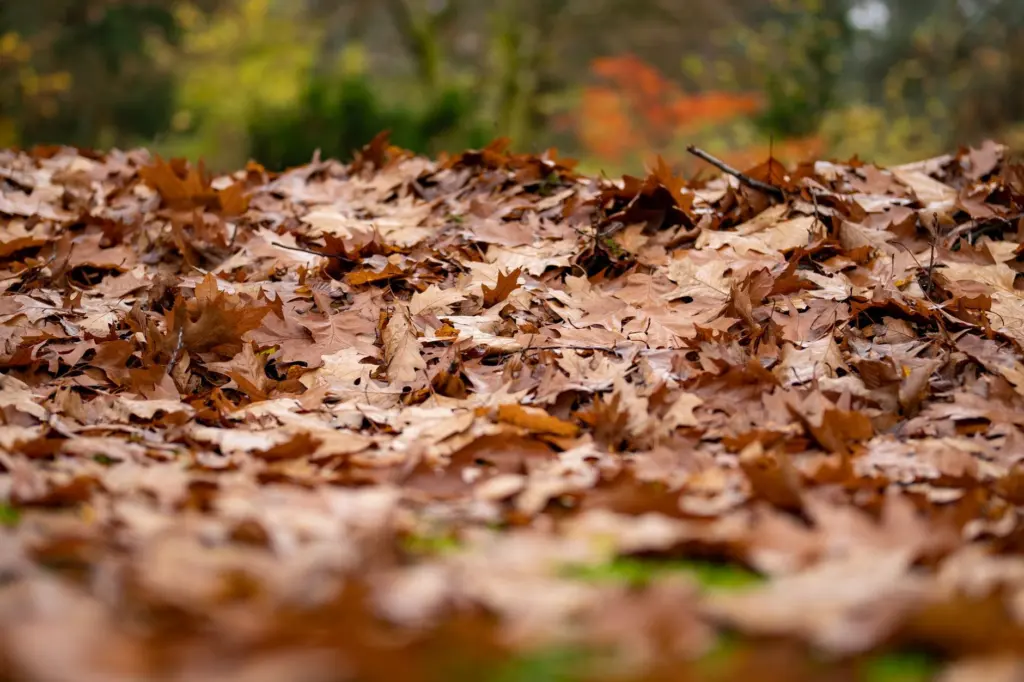
Fallen leaves are the most visible fall job. Decide first whether each area needs clearing at all: a lawn or a path usually does, while a bed that you plan to mulch may simply need the leaves cleared from crowns and tidy edges. Rake into a pile, then move the pile to wherever you want it, whether that is a compost area or a corner of the garden.
Lawn and porch
Fall is also the moment to thicken a tired lawn, and how to overseed a lawn sets out the steps. For container gardeners, Fall Planter Ideas: 9 Easy, Cozy Designs to Refresh Your Porch in 2026 shows how to refresh pots once summer annuals fade.
Winter: protection and planning
Winter preparation has two halves, protecting what is outside and planning what comes next. The question of how to prepare a garden for winter is best answered by working through both before the ground freezes.
Protect before the freeze
- Irrigation. If your garden has a sprinkler system, the checklist in How To Winterize A Sprinkler System: A Simple 2026 Checklist To Prevent Freeze Damage comes first, since freeze damage is a risk to the equipment itself.
- Shrubs. Hydrangeas have their own winter needs, covered in How To Winterize Hydrangeas: Protect Blooms And Roots This Winter (Step‑By‑Step, Zone Tips). Check it before wrapping or covering any shrub, because plants differ in how much protection they need.
- Containers. Pots stay on the porch or patio all winter, and Outdoor Winter Planter Ideas: 15 Stylish, Low‑Maintenance Designs For Cold Climates (2026) offers designs suited to cold climates.
The principle behind all three is the same one the frost advice uses in spring: know your own climate and match your protection to it, rather than copying a generic routine.
Plan the next year
Winter is also when the schedule for the next year is built. The Suburban Farmhouse suggests that in December, if you do not already have one, you sketch out your garden, with measurements if possible. A measured sketch tells you how many plants fit, where the beds go and how much seed to order. It also turns the frost-date arithmetic from late winter into a concrete plan, because each bed has a list of crops and each crop has a sowing week.
A build project for the quiet weeks: the raised bed
A raised bed suits the stretch between seasonal rushes, because nothing about it depends on frost. A simple frame from lumber can be assembled in a short session, filled, and left ready for the first sowing.
Choose the build style by budget and space. Gardeners working with limited money or a small plot will find Cheap Raised Garden Bed Ideas: 10 Budget-Friendly Builds For Small Spaces In 2026 a practical place to compare options. Whatever style you choose, decide the fill material before you build, since the frame’s size determines how much you need.
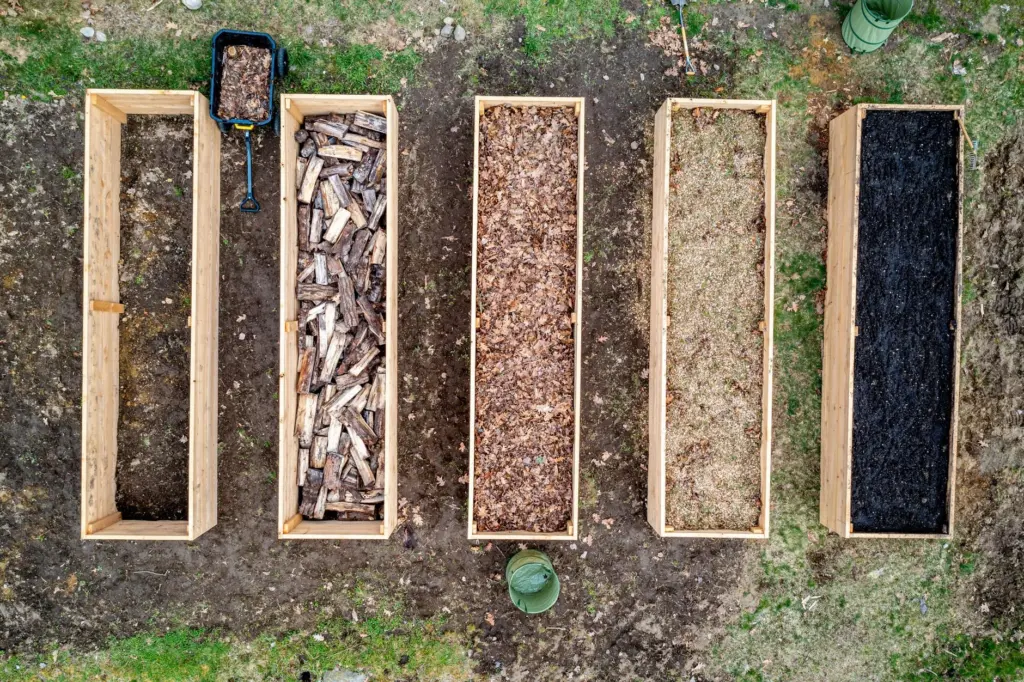
Mulch materials such as wood chips and bark can top a finished bed, which links this build back to the spring and summer mulching decisions above.
The year at a glance
The table below pulls the timing anchors from this checklist into one place. Use it as a prompt for your own calendar, not as a replacement for your local frost dates.
| Season | Timing anchor | Planning use |
|---|---|---|
| Late winter | Count back from the last frost date for indoor sowing | Write a sowing week beside each crop before filling trays |
| March | Remove mulch from beds; carrots and beets can be direct sown as early as late March in one Wisconsin garden | Uncover beds you will sow soon, and leave later beds covered |
| Around the last frost | Belgrade, Maine has average frost risk from September 17 through May 27; one Wisconsin farm expects a last killing frost around April 30 | Treat your own window as an estimate and keep cover ready for tender plants |
| June | About 15 minutes each morning pulling small weeds | Build a short daily visit instead of occasional long sessions |
| December | Sketch the garden layout, with measurements if possible | Use the sketch to plan beds, crops and sowing weeks |
Figures come from the University of Maine Cooperative Extension and the Suburban Farmhouse, and they are examples from specific places rather than targets for every garden.
Matching the checklist to your garden
The best use of a seasonal checklist is to adapt it. Begin with your last frost date, then add the jobs that fit your garden: seed trays if you grow from seed, bulbs if you want spring colour, winterizing if you have shrubs or irrigation, and a build project if you need more bed space.
Two judgement calls repay attention. First, resist doing every job in the first warm week; the frost window is the guide, and patience protects young plants. Second, keep the lists short enough to finish. A garden with a few jobs done on time looks better than one with a long list left half done.
Frequently asked questions
Is a frost date a guarantee?
No. Extension staff describe these dates as estimates that vary by location and by year, so keep protection for tender seedlings ready during the weeks around your estimated date.
How long does hardening off take?
One farm’s routine starts with a couple of hours outdoors a day and builds up over about a week. Extend the time only as the seedlings cope.
What belongs on a December garden list?
Sketching the layout is the planning job named in the Suburban Farmhouse guide, ideally with measurements. Winter protection for irrigation, shrubs and containers is covered in the guides linked above.
Can I use one calendar for every zone?
Not reliably. Zone calendars give a useful outline, but frost windows differ between places, so time each sowing from your own frost estimate.