thunderonthegulf .com is a Gulf Coast lifestyle blog that publishes articles on crafts, fishing and gardening, and the questions below cover what people most often want to know before they use it. In short, it is a content site rather than a shop, and its useful material is the how-to writing on beach crafts, inshore fishing and coastal gardening.
| What is it? | A blog on Gulf Coast crafts, fishing and gardening |
| Does it sell products? | No shop or deals page appears in its menus |
| Who is named on the site? | A founder and an author, both listed on the About page |
| How do I contact it? | By email or the contact form; the page promises a reply in 24 to 48 hours |
| Where do I start? | The category pages: Arts and Crafts, Fishing, Gardening |
Basic questions about thunderonthegulf
What kind of site is thunderonthegulf.com?
It is a blog built around four interests that the About page lists as pillars: health, arts and crafts, fishing and a green-thumb garden section. In practice the three busiest sections are crafts, fishing and gardening, each with a category page on the main menu.
Who runs it?
The About page names a founder, Amanda Lee, who is described as someone with a deep appreciation for gardening, arts, crafts and fishing, and an author, Steven Evans. Those are the site’s own statements; the page gives no further background, photographs or credentials.
How do I reach the people behind it?
The contact page lists an email address on the site’s own domain and says messages get an answer within 24 to 48 hours. A form is also provided. If you write, mention the topic you are asking about, since posts cover very different subjects.
Is the www version the same site?
Yes. Typing www thunderonthegulf.com or www.thunderonthegulf.com leads to the same pages as the bare address, and a stray space before the dot makes no difference to where the browser goes. If a link lands anywhere else, it is not this blog.
Is it a place or an event?
The phrase thunder on the gulf sounds like an event or a stretch of coast, but here it is simply the title of a blog. Because the words are common, searches such as thunder on the gulf.com or thunder onthegulf.com can bring up unrelated pages, so check the address in the browser bar before trusting a result.
Why do some people type it with odd spacing?
Mostly because the name is a run of four words. People split it in different places, writing thunder on thegulf.com or thunder onthegulf .com, and search engines usually still resolve them to the same site. The same goes for a spoken-style query like www thunder on the gulf.com.
Crafts: shells, driftwood and coastal decor
What can you make from shells and driftwood?
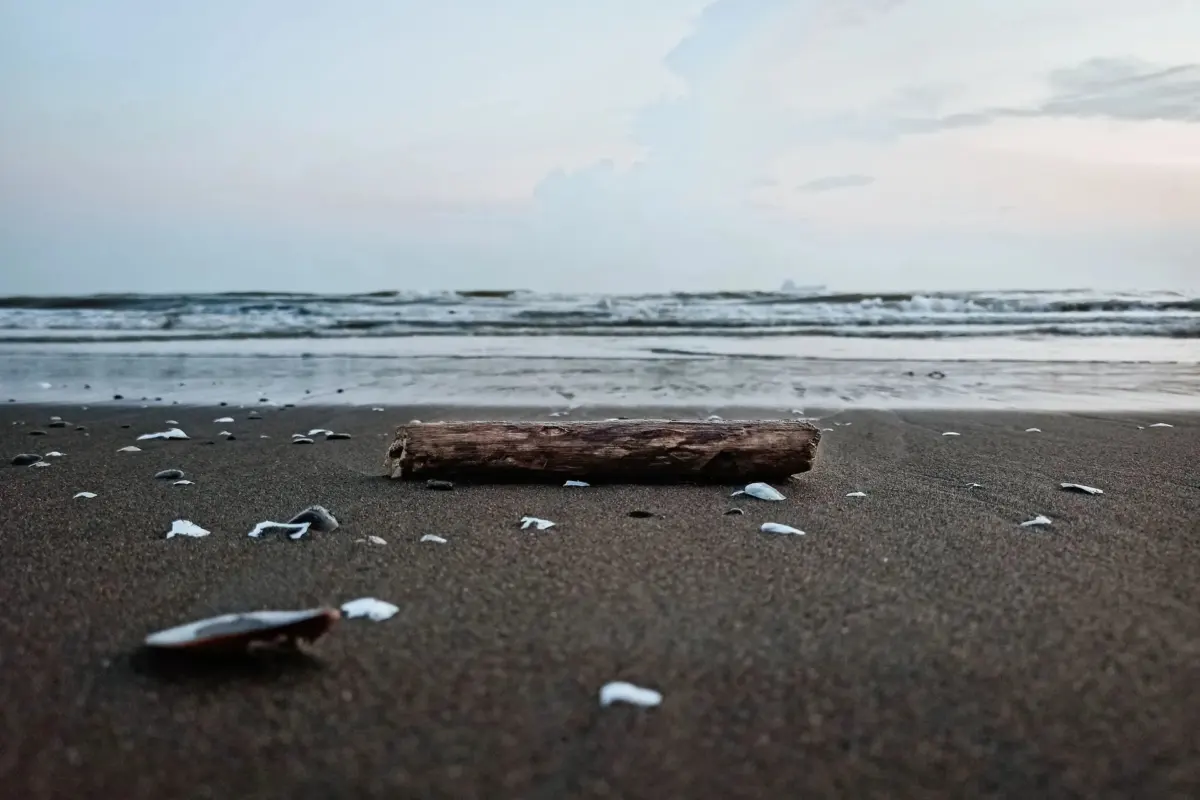
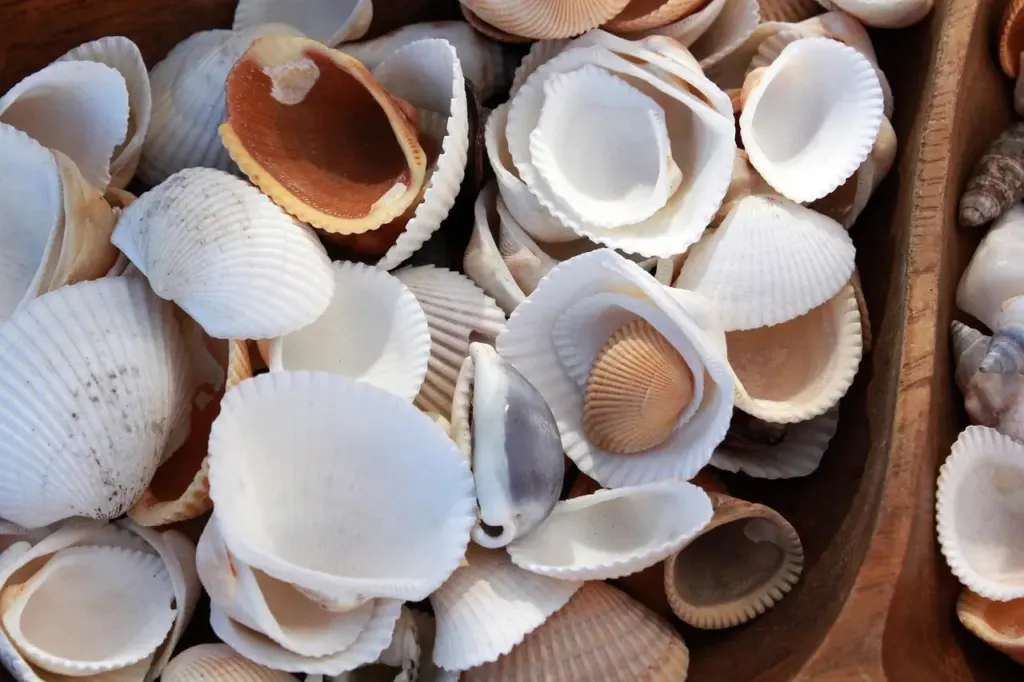
One of the site’s most practical posts is a step-by-step guide to coastal home decor. It walks through a driftwood wall hanging that a beginner can finish in under two hours, shell candle votives and centrepieces, and quick shadow-box and photo-display projects.
How should beach finds be prepared first?
The guide stresses cleaning and drying shells and driftwood before they come indoors, because sand, salt and tiny organisms can cling to them. It describes the contamination risk as small once those preparation steps are followed, and it ends with dusting and moisture-avoidance tips so finished pieces last.
Does the site list craft markets or makers?
Another piece, aimed at the arts side of the Gulf, discusses markets and makers and what to buy from vendors. It is a general guide rather than a directory, so there are no addresses, dates or booth lists to rely on. Anyone planning a visit to a specific market should check that market’s own announcements.
Fishing and gardening: the practical posts
What does the inshore fishing guide recommend?
It points beginners to shallow grass flats, oyster bars, mangrove edges and creek mouths, where redfish, trout, snook and flounder feed. For tackle it suggests a medium-light spinning rod of about seven feet, 15 to 20 pound braid with a fluorocarbon leader, and baits such as live shrimp, soft plastics and weedless spoons.
Which tides does it favour?
The guide says the most active feeding comes from about two hours before low tide through one hour after, near drains and creek mouths, and that a strong incoming tide pushes bait onto shallow flats. It also reminds anglers to carry the right licence and follow local rules.
Is there advice for fishing with children?
A separate family guide covers life jackets, a first-aid kit, sun protection, water and a charged phone, then suggests calm shorelines with nearby restrooms, child-sized light rods with barbless hooks, simple on-the-water rules and one adult assigned as a “water watcher”.
How does it choose tackle for different fish?
The tackle article matches gear to redfish, speckled trout, flounder and snook. It recommends lighter spinning rods with 10 to 15 pound braid for open flats, heavier braid and stronger leaders near mangroves and fast current, and says baitcasting reels suit heavy-line techniques for big snook or redfish.
How does it suggest protecting a coastal garden?
The garden piece on salt spray and wind advises placing salt-tolerant plants on the windward edge, using porous windbreaks with 40 to 60 percent porosity rather than solid walls, and watering deeply and infrequently so salt leaches below the roots. Waxy or hairy leaves and flexible stems are listed as signs of a wind-tolerant plant.
Raised beds or in-ground planting?
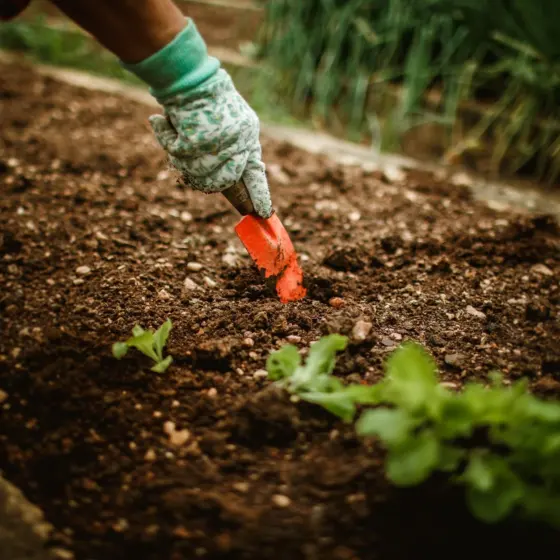
The comparison says raised beds suit shoreline plots with salt spray and poor sandy soil because they allow better soil control and drainage, though they cost more at the start. In-ground planting works where the native soil drains well and is low in salt, and the article advises testing salinity and drainage first.
When does it say to plant?
Its seasonal piece recommends late fall to early spring for establishing roots in the warm coastal zones 8 and 9, adding organic matter to sandy soil and choosing silvery or waxy-leaved plants such as sea thrift and dune grasses for the exposed front line.
Is the planting advice region-specific?
It is written for warm, humid, salty conditions, so it suits gardens near the Gulf and other warm coasts. People in cooler or inland climates will need to adjust timings.
What offers on thunderonthegulf really means
Does thunderonthegulf.com have offers or deals?
Readers who search offers thunderonthegulf.com or offers from thunderonthegulf .com sometimes expect coupons. The menus show only category pages, an About page and a contact page, with no shop, discount code area or sponsor listing. In this site’s case the offer is its content: how-to guides and ideas.
Should anything be bought on the strength of an article?
Articles mention tackle, plants and craft supplies in general terms. Buying decisions should rest on the product’s own listing and a store you already trust, not on a post that has no affiliate or pricing information to check. The site also carries a handful of unrelated items, such as pieces on online games and drain cleaning, which are not part of the Gulf themes.
Where is the best place to start reading?
Pick the category that matches your hobby, then open the most recent how-to in it. The inshore fishing guide, the shells and driftwood project and the salt-spray garden piece are the three that stay closest to what the site says it is for.
Is the site updated often?
The post list shows articles from late August through early October, with several appearing on the same day, so new material arrives in batches rather than on a fixed schedule. Dates on individual posts are the best guide to how current a tip is, particularly for fishing rules and planting times.