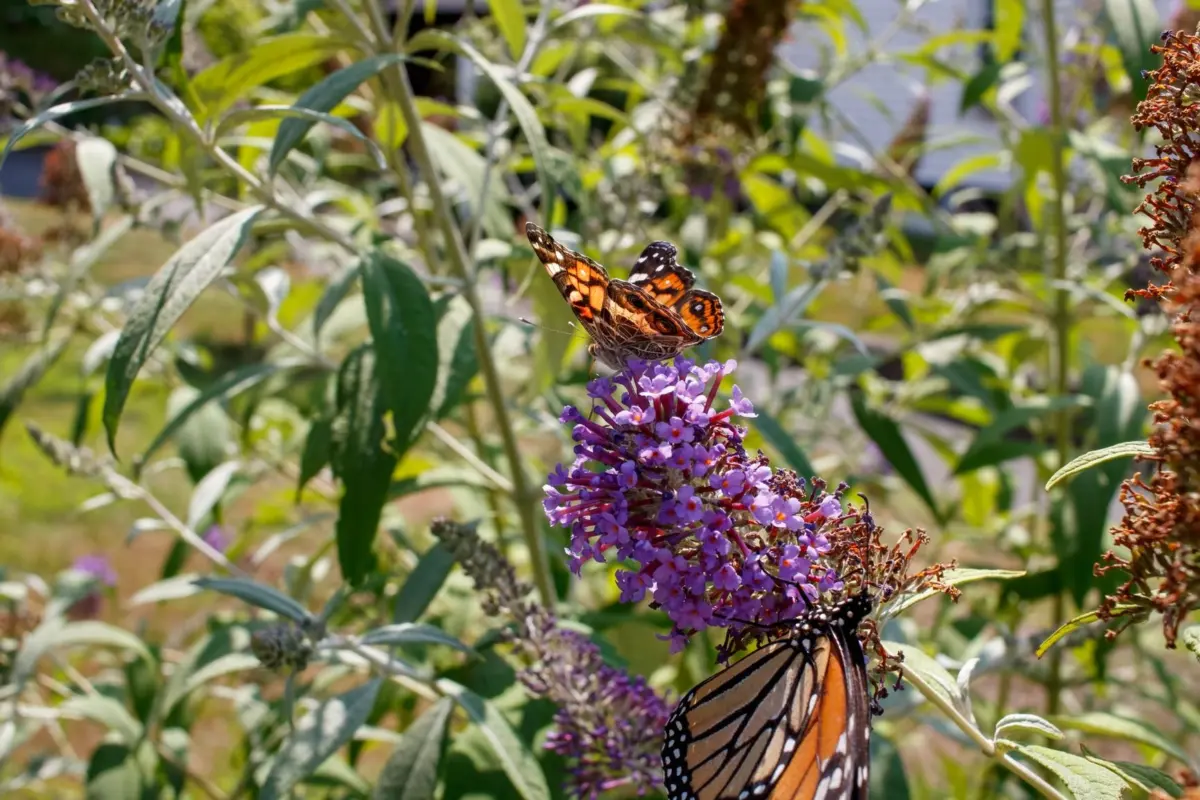
A potted butterfly bush is on sale in October, and the question is when to plant butterfly bush. In USDA zones 5 and 6, spring through mid-summer is the safer window, because fall planting carries winter risk.
Milder climates give more room, and the spring-or-fall choice there comes down to winter damage and soil wetness. Fit planting day into your seasonal garden checklist so it sits beside the other jobs of the year.
Spring versus fall: where the common advice goes wrong
The advice repeated most often is to plant in early spring or fall, and American Meadows gives that general rule. It holds up where winters are mild. In colder climates it hides a real difference between the two seasons, and Proven Winners is blunt about it: its guidance for USDA zones 5 and 6 is to keep planting from spring through mid-summer. The table below sorts the assumptions that cause most mistakes.
| Common assumption | What the evidence supports | Planning use |
|---|---|---|
| Fall is as good as spring everywhere | In USDA zones 5 and 6, planting is best kept to spring through mid-summer; fall planting is best avoided where winter damage is a risk | In a cold climate, buy now but plant in spring |
| Cold temperatures are what kill new plants | Winter losses have come from cold, wet soil in fall or spring rather than low temperatures, snow or ice | Judge the drainage of the site before you judge the date |
| Early spring and fall are interchangeable in mild areas | Both are given as general planting seasons, and the fall caution applies mainly to cold climates | Where winters are mild, either season works if the soil drains |
Timing and soil-wetness points here come from Proven Winners’ butterfly bush guide, while the general early-spring-or-fall rule comes from American Meadows.
Planting windows by winter severity
Zone numbers are a shorthand for how much winter the plant must survive, so match the window to your zone rather than to a calendar date. Neither guide publishes a month-by-month calendar, so use these bands and your own local frost knowledge.
- Colder than USDA zone 5: this woody shrub can die back to the ground in climates colder than zone 5, according to American Meadows. Plant in spring so the roots have the whole growing season behind them before the first winter.
- USDA zones 5 and 6: Proven Winners recommends keeping planting time to spring through mid-summer. Spring is the stronger choice because it leaves the longest run before cold, wet weather.
- Milder climates: early spring or fall are both reasonable. Choose fall only if the bed drains freely, for reasons covered in the fall section below.
- Midsummer in hot climates: planting then is possible, but American Meadows says to provide plenty of water and even some afternoon shade. Treat it as a fallback, not the plan.
Spring planting: the lower-risk default
Spring wins in cold zones for a simple reason: a plant set out early gets as long a period as possible to establish before it faces the cold, wet season, which is the point Proven Winners makes about timing. A fall-planted shrub gets only a few weeks.
Mulch it in the first year
A landscaper in Wisconsin, Hawks Landscape, notes that in a plant’s first year, mulching is a good idea to protect the new growth buds. In that area the shrubs die to the ground after most winters, so protected buds matter. A 2 to 3 inch layer of shredded bark mulch or leaf mold in early spring is the depth American Meadows gives.
Keep the mulch back
Mulch is where the common mistake happens: piling it against the plant. American Meadows says to keep it away from the branch stems and crown to avoid rot diseases. Proven Winners goes further for clay soil and advises against mulching directly around the plant. Leave a clear ring around the base either way.
Fall planting and the cold, wet soil problem
Yes, fall planting is possible, but not in every climate. Proven Winners advises avoiding it because butterfly bush may get some winter damage in cold climates. The more useful finding is what actually causes losses: in its account, plants that died over winter did so not because of low temperatures, snow or ice, but because of cold, wet soil in fall or spring.
That changes the decision. A fall planting on a raised, free-draining slope is a smaller gamble than a spring planting in a low spot that stays soggy. The shrub’s roots rot in wet soil, and Proven Winners warns that plants spending any time in wet soil can be set back or even die.
- Who fall suits: gardeners with mild winters and sharp drainage who want a head start on the next season.
- Who should wait: anyone in a cold climate, or anyone whose soil is heavy clay that holds water through winter.
- If you do plant in fall: in the northern range, American Meadows suggests adding a 4 to 6 inch thick layer of bark mulch over the root system in late fall, again kept off the stems and crown.
Depth, spacing and the planting hole
Dig a hole twice the width and depth of the rootball, as American Meadows advises, then press firmly around the plant to prevent the soil from settling. The same source places plants 5 to 10 feet apart depending on variety and says to plant dwarf varieties closer together.
Treat that spacing range as a decision about the variety you bought, not a target. Proven Winners describes these large shrubs as 5 to 8 feet tall and just as wide at maturity, with dwarf types smaller, at 2 to 3 feet. The tight end of the spacing range suits compact types, and a full-size shrub needs the wider end if you want it to grow without crowding its neighbours.
Watering after planting
The two guides lean in different directions on water. American Meadows says to keep soil consistently moist all summer for best growth and flowering, especially in hot, dry weather, while Proven Winners cautions against overwatering and says to watch watering carefully in clay soil. Reconcile them by soil type: sandy or fast-draining beds suit steady moisture, and clay needs checking before each watering.
Check local rules before you buy
Timing is not the only reason to hesitate. Proven Winners acknowledges that butterfly bush has become invasive in some areas and is on invasive plant watchlists or even banned in some states. Garden for Wildlife adds that a single flower can produce 40,000 seeds, which explains why regulators pay attention. Confirm the status in your state before you choose a planting date.
Planting alongside other seasonal jobs
Once the shrub is in and mulched, the rest of the season’s work can take over. If you are moving on to winter prep, How To Winterize A Lawn Mower: Easy Steps To Protect Your Machine This Winter (2026 Guide) and How To Winterize A Sprinkler System: A Simple 2026 Checklist To Prevent Freeze Damage cover the equipment side.
Frequently asked questions
| Question | Answer |
|---|---|
| How much sun does a new butterfly bush need? | Proven Winners says butterfly bush requires a minimum of 8 hours of bright sunlight, so choose the sunniest spot you have. |
| Should I add compost to the planting hole? | The guides disagree. American Meadows says to amend the soil at planting time with compost, while Proven Winners says never to amend the soil in clay and not to add topsoil, potting soil or compost at planting time. In clay, follow the Proven Winners approach. |
| Is a bare plant in spring dead? | Not necessarily. Proven Winners notes that butterfly bushes tend to be one of the later plants to leaf out in spring. Where winters run colder than USDA zone 5, American Meadows reports that stems may die back to ground level. |
| When should I prune a newly planted bush? | Proven Winners says to prune in spring, after the new growth emerges. |