The best outdoor winter planter ideas pair plants hardy in your zone with containers that survive freeze-thaw. Choose evergreens and cold-tolerant herbs, enter winter with moist soil, and protect or relocate large or porous pots.
Zone choice drives everything below, so read the plant table first. Pair this guide with our seasonal garden checklist for the other cold-season jobs.
How Winter Damages Containers
A pot above ground has far less protection than a plant in the soil, so a winter planter fails for reasons that in-ground plantings rarely face. According to Sunnyside Gardens’ overwintering guidance, any containerized plant that is hardy in your zone can spend the winter outdoors, but it needs special care to do so. That condition matters. A plant’s hardiness rating describes how it copes in the ground, and a container is a more exposed home.
Three mechanisms do most of the harm, and each points to a different fix later in this guide:
- Freeze-thaw cycling of the pot. Very large pots and porous pots tend to break apart from the constant cycle of freezing and thawing, which is why container choice matters as much as plant choice.
- Dry soil. Trailing Petunia’s pansy guide notes that dry soil in winter can be more damaging than cold temperatures, so a planter that looks fine in a cold snap can still be failing from thirst.
- Wind and moisture loss from foliage. Needled and broadleaf evergreens keep their leaves through winter, which is why Sunnyside Gardens recommends an anti-desiccant spray on them, and why an exposed spot needs a windscreen.
Understanding these three causes makes the plant list easier to use, because the best winter planter is the one whose plants and pot both match your cold.
Plant Choices by Cold Zone
Plants that survive winter in containers are the ones rated for your zone, and a planter in a colder zone should be built around evergreens at the cold end of the range. The table compares plants from a published cold-weather container guide and a nursery list, with a planning use for each.
| Plant | Cold-hardiness range | Planning use |
|---|---|---|
| Red cedar (Juniperus virginiana cultivar) | Zones 3–9 | Evergreen backbone for the widest range of winters, including the coldest |
| Parsley | Zones 5–9 | Edible, leafy filler for moderately cold winters |
| Rosemary | Zones 8–11 | Fragrant evergreen herb for milder winters only |
| Pansy (listed cultivar) | Zones 8–11 | Front-of-pot colour where winters are mild |
| Elephant ear | Winter-hardy only in Zones 9 and up | Bold foliage accent for the mildest zones |
Zone ranges for the first four plants come from Fine Gardening’s cold-weather container combinations, and the elephant ear figure comes from a container-plant frost guide.
These ranges split winter planter recipes into three tiers. Read the range as a limit: a plant outside its listed zones is a short-lived seasonal accent rather than a winter survivor.
Colder Winters
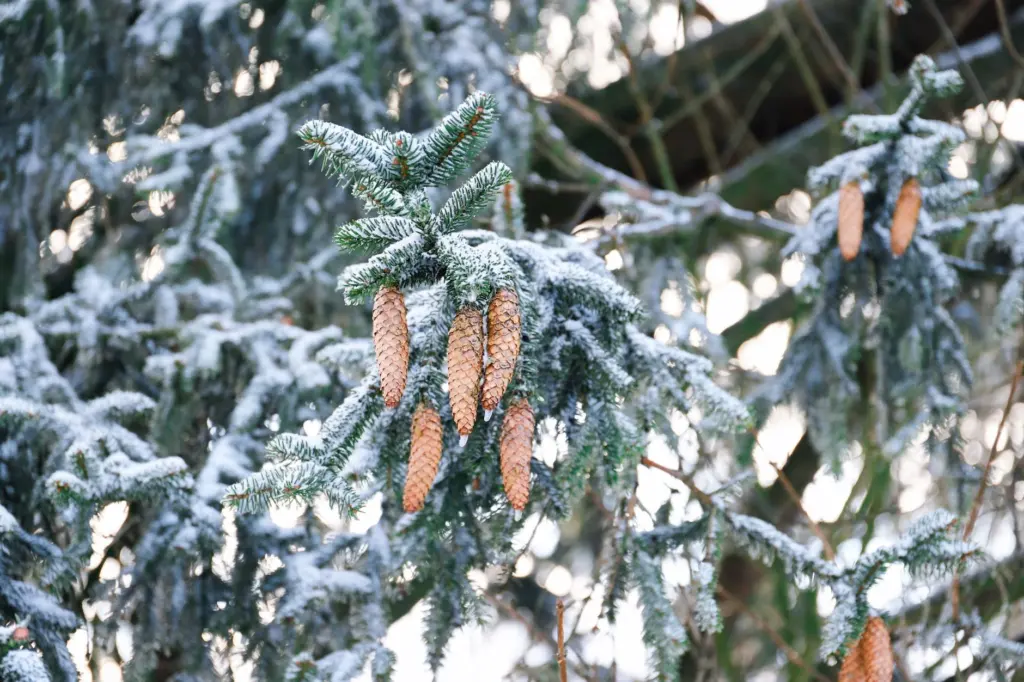
Build the planter around a red cedar cultivar, hardy through the coldest zone shown in the table. Evergreen foliage gives the pot shape even when nothing flowers. Tuck cut evergreen boughs and pinecones around the base for fullness and texture, and treat them as removable decoration rather than living plants. Skip pansies and rosemary here, because their listed ranges start in a milder zone.
Moderately Cold Winters
Where parsley is within its range, it becomes the living filler beside an evergreen centrepiece. Fine Gardening says that rosemary and parsley will grow through the winter with just a little protection from the elements, but rosemary only fits its own milder zones. In a moderately cold garden, parsley is the herb to choose, and a cedar or other hardy evergreen should carry the structure.
Mild Winters
Rosemary, pansies and elephant ear all sit within the milder end of the ranges. This is the tier where colour in the pot is most realistic. Combine rosemary or a pansy with a bold foliage accent, and use the elephant ear only if your zone is at the stated limit or warmer.
Container Materials and Frost
Yes, pots can crack in freezing weather, and porous pots and very large pots are the ones most at risk. Sunnyside Gardens says these containers tend to break apart from the constant cycle of freezing and thawing. Water absorbed into a porous wall expands as it freezes, and a large pot holds a big mass of wet soil that repeatedly freezes and thaws.
That gives a practical rule for choosing containers:
- Frost-proof containers stay out. A pot that does not break apart under freeze-thaw can remain outside with its plant, provided the plant itself is hardy in your zone.
- Porous or very large pots move. Sunnyside Gardens suggests an unheated garage along a heated wall for these. The garage stops the freeze-thaw cycling while the plant stays cold.
- Doubtful pots should not hold a prized plant. If you are unsure how a pot will behave, put an inexpensive plant in it, or bury it as described below.
Plant ratings and pot choice should always be judged together. A pot that fits the cold but cracks is as much a failure as a plant that is too tender for the zone.
Protecting Planters in Stages
To protect planters from frost, work through these stages in order, from the ground up. The measures come from Sunnyside Gardens’ guide to overwintering container plants outdoors, and you can stop at the earliest stage that suits your climate.
- Water before the freeze. Plants should go into winter with moist soil so water is available to the roots.
- Spray evergreens. Apply an anti-desiccant to needled and broadleaf evergreens, which keep losing moisture through their foliage.
- Group the pots and insulate between them. Fill the gaps with mulch, shredded leaves, grass clippings or hay.
- Block the wind. If the area is windy, build a windscreen from stakes and burlap.
- Wrap the pots. Plastic bubble wrap, or an old comforter or quilt, goes around the container itself.
- Bury or relocate the pot. Bury the pot with its plant in the garden and remove the pot the following spring, or move large and porous pots to an unheated garage.
Choosing between the stages is a matter of exposure. A sheltered, grouped set of hardy plants may need only moisture, mulch and a wrap. A single exposed pot on a windy step benefits from every stage, or from burying. Burying does away with the exposed pot altogether, and it suits plants you can lift out in spring.
Arranging a Winter Planter
Arrange a winter planter the same way you would a summer one, with a tall focal plant, fuller plants around it and trailing plants at the edge. Fine Gardening describes this thriller, filler, spiller approach as the design concept it uses for both outdoor and indoor winter combinations.
In practice that means an evergreen as the thriller, herbs or low colourful plants such as pansies as the filler, and anything that softens the rim as the spiller. Size also matters. Fine Gardening points to a container about 2 feet tall as a good fit beside a step or entry, where it frames the way in without blocking it.
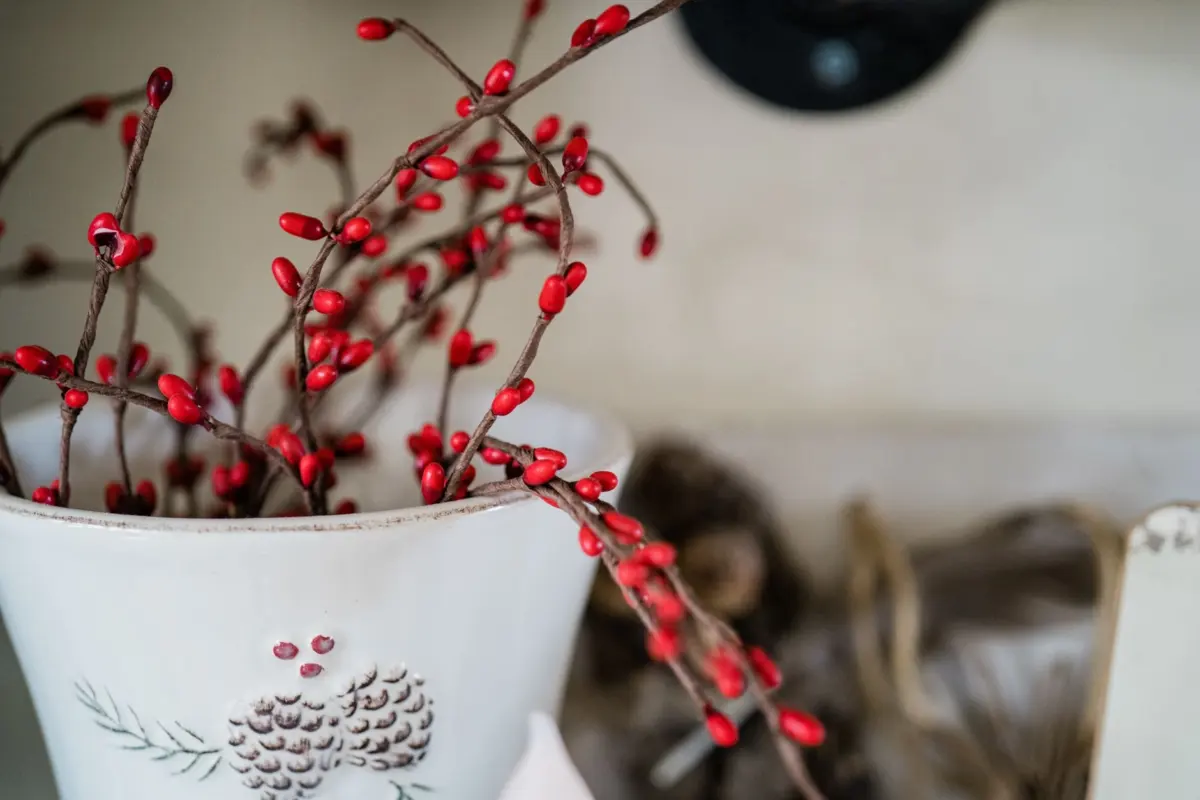
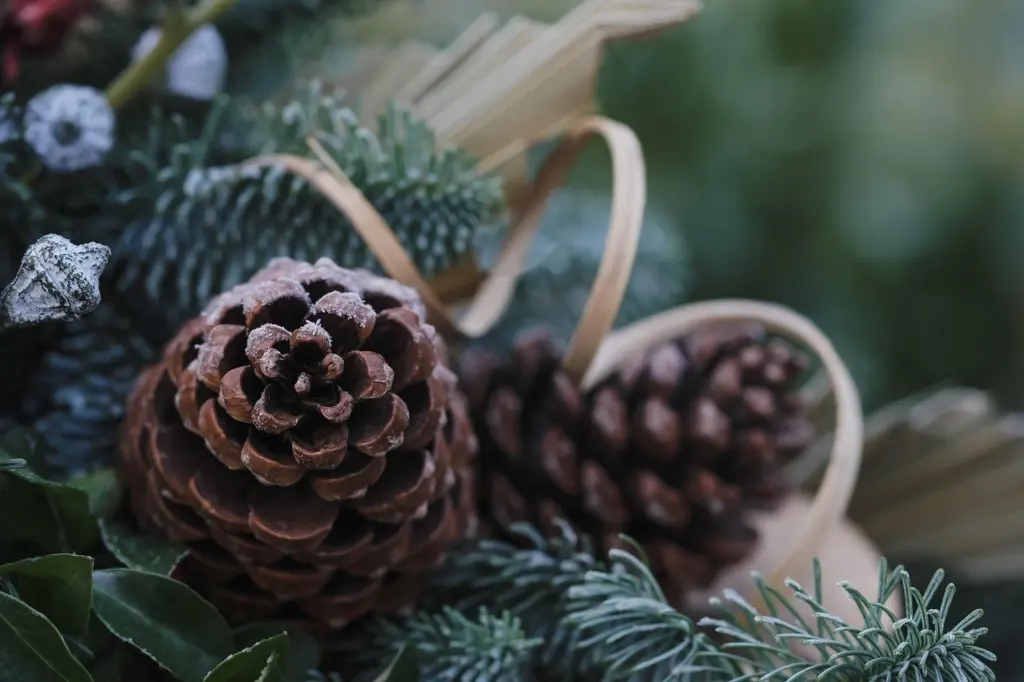
For a festive look, keep the living plants simple and add the seasonal detail on top. Cut evergreen sprigs and pinecones can be swapped out after the holidays without disturbing the roots below, which also keeps maintenance low.
Short-Season Colour to Plan Around
Some popular container plants are fall colour rather than winter survivors, and a low-maintenance planter should treat them that way. Based on the frost guide cited earlier, the container-plant frost guide gives these limits:
- Crotons do not fare well when temperatures dip below 50°F.
- Ornamental peppers struggle below 55°F and die back entirely after a hard freeze.
- Calibrachoa (million bells) grows best when temperatures linger between 55 and 65°F.
These are best used in the early weeks of the season and then replaced. If you want something that carries a planter through the whole winter, return to the evergreens and herbs in the zone table.
Bulbs are another way to plan the season, and timing matters for them. For tender summer bulbs, see When To Plant Canna Bulbs: The Smart Guide To Timing, Planting, And Season-Long Care (2026). If you want holiday blooms to go with the outdoor display, When To Plant Amaryllis Bulbs: The Best Timing For Big Holiday Blooms (2026 Guide) covers the timing.
Frequently asked questions
Do winter pansies need protection?
They benefit from some. Trailing Petunia reports that pansies thrive in temperatures between 40 and 65°F, and recommends a light layer of straw or pine needles to insulate the roots against deep freezes, with frost cloth for hard freezes.
Can rosemary and parsley stay outdoors in a pot?
Yes, within their zones. Fine Gardening says they will grow through winter with a little protection, and that a small pot can be pulled indoors only in the worst weather.
When should impatiens come inside?
Bring them in when nighttime temperatures drop below 60°F, according to the container-plant frost guide. They are a fall accent rather than a winter plant.