| Check | Supported value | Planning use |
|---|---|---|
| Frost | Start indoors or plant outdoors once danger of frost has passed | Treat the last frost as the earliest possible outdoor date, not the target. |
| Soil temperature | At least 60°F (15°C), consistently for several days | Plant when the reading holds, even if the calendar says go sooner. |
| Indoor head start | Pots started 4 to 6 weeks before moving outside, in a warm spot around 70°F | Count back from your intended outdoor date to set the potting day. |
| Hardening off | 7 to 10 days of gradually more sun and time outdoors | Build this week-plus into the indoor schedule before planting out. |
| Zones 6a-6b (northern New Jersey) | Last frost can fall as late as mid-May; plant at the very end of May or in the first week of June | Cooler zones should expect a late planting day. |
| Zones 7a-7b (southern New Jersey) | Last frost in mid-to-late April; planting in mid-May if the 10-day forecast shows nights consistently above 50°F | Milder zones can go earlier, but only when night temperatures cooperate. |
These figures come from a Cooperative Extension answer on cannas and a bulb supplier’s New Jersey planting guide; the two New Jersey rows show how one set of rules shifts between zones.
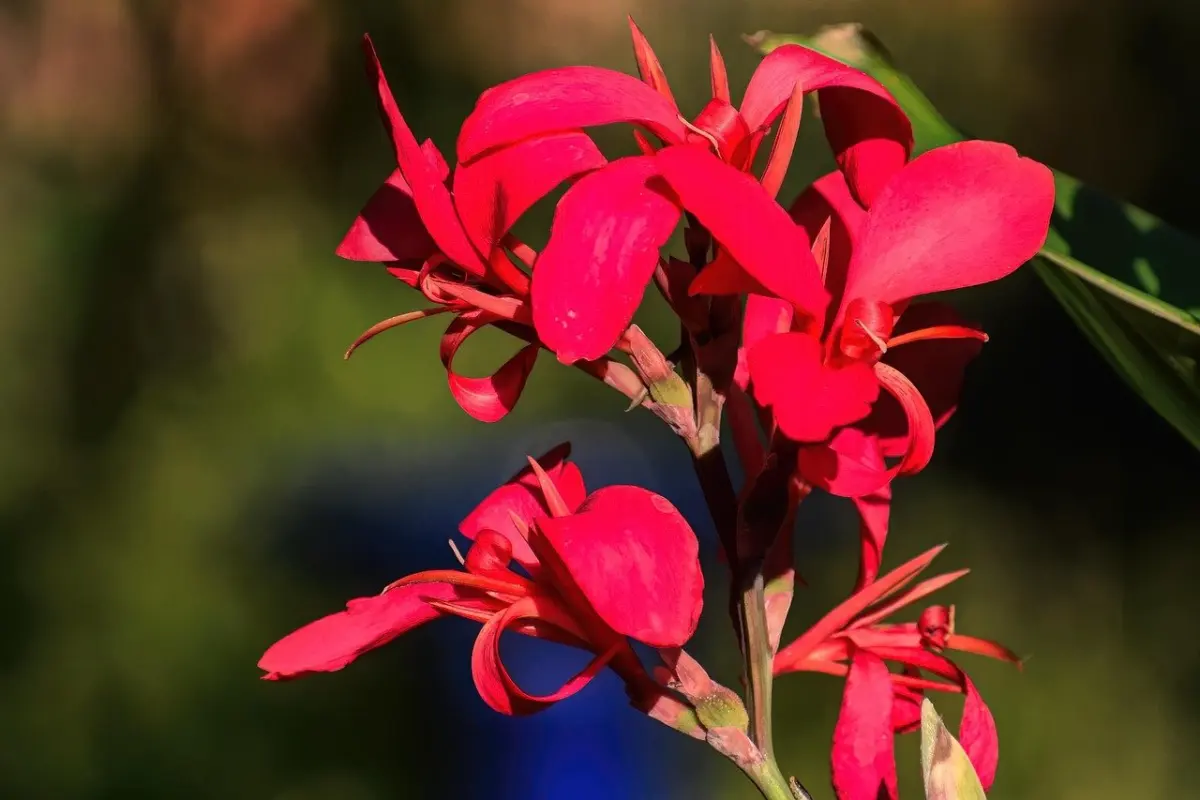
When to plant canna bulbs comes down to two checks: frost danger must be over, and the soil should read at least 60°F (15°C) consistently for several days. Soil warmth outranks the calendar date.
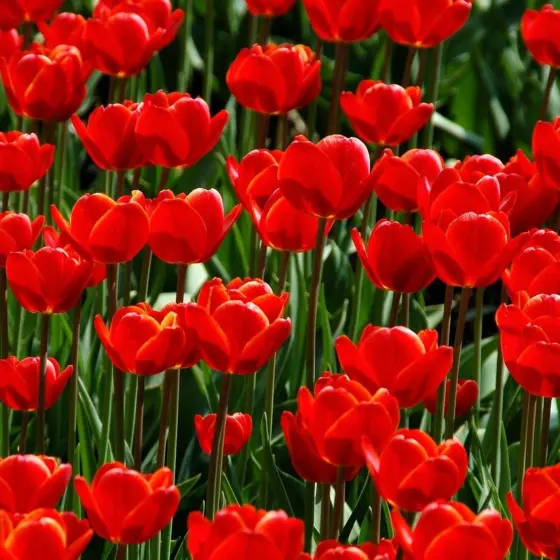
Timing is one job among many on the seasonal garden checklist, and related jobs are gathered under Seasonal Projects. Spring-flowering bulbs such as tulips follow their own calendar, covered in When To Plant Tulip Bulbs: The Simple Calendar And Tips For Reliable Spring Blooms.
How your zone changes the planting day
Zone decides how long you wait and whether the rhizomes can stay put all winter. Supplier guidance for New Jersey shows the spread clearly: the northern part of the state sits in zones 6a-6b and the south in 7a-7b, and the recommended planting days differ by weeks even within one state.
Cooler zones
In zones 3-6, cannas are grown as annuals, or the rhizomes are dug and stored indoors over winter. In northern New Jersey, where the last frost can arrive as late as mid-May, the same supplier advises waiting until the very end of May or the first week of June to plant outdoors. A gardener in a cool region has three practical routes:
- Treat cannas as annuals. This suits gardeners who want colour for one summer and would rather not handle rhizomes in autumn.
- Dig and store each year. This keeps the plants you already own and suits anyone who likes a repeatable routine. The storage steps are further down the page.
- Start pots indoors. This suits short seasons where waiting for warm soil would leave little time before autumn.
Milder zones
Supplier guides disagree slightly on the in-ground range. One says cannas survive winter and increase in size from year to year in zones 7-10, while another says they thrive in zones 7-11. Zone 7 is the shared floor, so gardeners there can leave rhizomes in the ground but should still check local conditions.
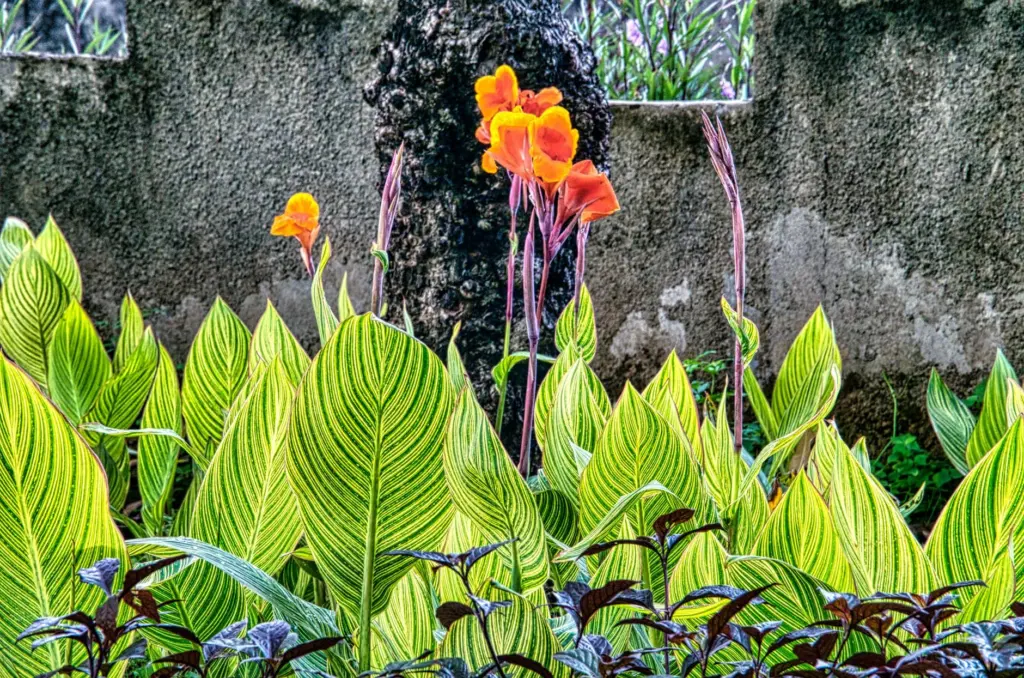
Milder does not mean immediate. In southern New Jersey the last frost falls in mid-to-late April, yet the supplier’s advice is to plant around mid-May, and only if the 10-day forecast shows consistent nights above 50°F. If a warm spell tempts you in April, wait. A frost-free week is not the same as warm soil.
Starting cannas indoors or waiting for warm soil
Yes, you can start cannas indoors. Cooperative Extension says it is fine to start them indoors or plant them outdoors once danger of frost has passed, and in Minnesota the plants flower during summer either way. An indoor start is therefore a choice that suits your season, not a requirement.
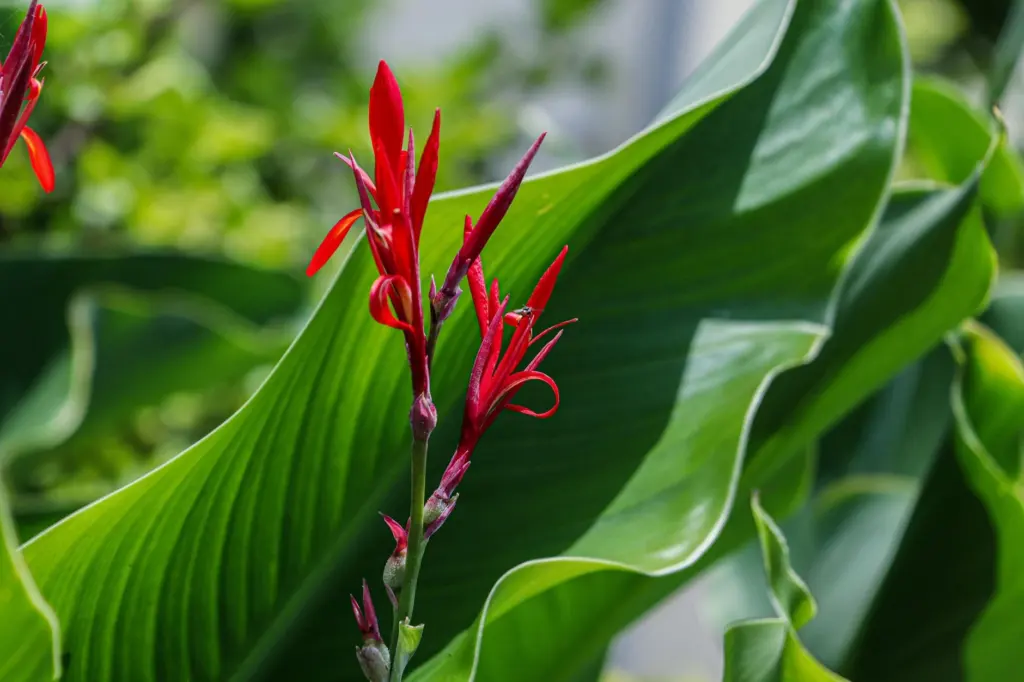
- Count back from the outdoor date. Pot the rhizomes about 4 to 6 weeks before you plan to move them outside and keep them in a warm spot, ideally around 70°F.
- Count back from the last frost instead. Another guide suggests pre-sprouting 2 to 4 weeks before the last frost for earlier blooms. The two guides use different reference points, so pick the one that matches how you plan your spring and stay consistent.
- Harden off before planting out. Spend 7 to 10 days giving the plants gradually more sun and time outdoors, so the move from the house is not abrupt.
- Plant straight into the ground. Canna rhizomes are typically planted in spring, and this route suits gardeners with a long warm season who want the least fuss.
An indoor start only helps if the plants can go outside when the time comes. A pot that outgrows its window while the soil is still cold gains nothing, so plan the potting day around the outdoor date, not around enthusiasm in the first warm week.
Why soil warmth beats the calendar
Soil temperature is the more reliable signal because cannas are heat lovers, and the calendar cannot tell you how warm the bed actually is. The supplier’s rule is blunt: always prioritize soil temperature over the calendar date, and wait until the soil is at least 60°F (15°C) before the rhizomes go in.
A vendor guide gives the same pairing of conditions: plant after the last frost, when soil temperature reaches 60°F or warmer. Frost date and soil warmth are separate checks, and both must pass. A late cold snap can pass the frost test on paper and still leave the bed too cool.
You may see a lower figure. One supplier says to plant outside once the soil has reached at least 50°F. That is a floor, not a target. Waiting for 60°F is the more cautious reading.
The same supplier offers an easy field rule: wait until people in your area are planting tomatoes, since cannas are heat lovers too. That works well as a neighbourhood cue, and a thermometer then confirms it for your own bed.
Planting depth and spacing
Once the soil is ready, keep the planting shallow and give each clump room. Set canna rhizomes one to two inches below the soil and leave 18 to 24 inches between plants in the landscape.
Spacing is where the zone matters again. In zones where clumps increase in size from year to year, lean toward the wider end of that range so the plants are not crowded in later seasons. In colder zones, where the rhizomes are lifted or the plants treated as annuals, the closer end is a reasonable choice.
Digging up rhizomes for winter
Whether to dig the rhizomes depends on your zone. Where cannas overwinter in place, in the zone 7 and warmer range described above, you can leave them in the ground. In the cooler zones, lifting and storing is the way to keep them.
For storage, let the rhizomes dry for a few days, then store them between sheets of newspaper in a cool, dry place. A second supplier adds a temperature guide: a dry place that stays below 55°F but does not freeze. The practical test is the location: a spot that stays cool and dry without freezing fits that guidance.
For container ideas, Outdoor Winter Planter Ideas: 15 Stylish, Low‑Maintenance Designs For Cold Climates (2026).
Frequently asked questions
How do I take a soil temperature reading?
Dig a small hole about 3 to 4 inches deep and read a thermometer in the morning. If it shows 60°F or higher consistently for several days, the garden is ready, according to a New Jersey bulb supplier.
How long until cannas flower?
A vendor guide lists 90 to 120 days from planting to first flower. A later planting date therefore pushes the first bloom later.
How should I place a rhizome in a pot indoors?
Set it about 2 inches deep with the eyes, the growing points, facing up, as the same supplier’s guide describes.