Quick answer: The best time for when to plant dahlia bulbs is after the last frost date has passed and the soil has warmed to at least 60°F. Soil warmth should outrank the calendar, because cold, wet ground leaves tubers dormant and prone to rot.
Dahlia timing is one of the jobs on a seasonal garden checklist, and the same frost-and-soil logic runs through every other seasonal project on the site.
Why soil warmth matters more than the calendar
Dahlia tubers break dormancy only when the ground warms, so a planting date is just a stand-in for soil temperature. Longfield Gardens advises prioritizing soil warmth over a specific calendar date. It also notes that dahlias prefer soil of at least 60°F, and that below 55°F a tuber may simply sit dormant and become vulnerable to moisture problems.
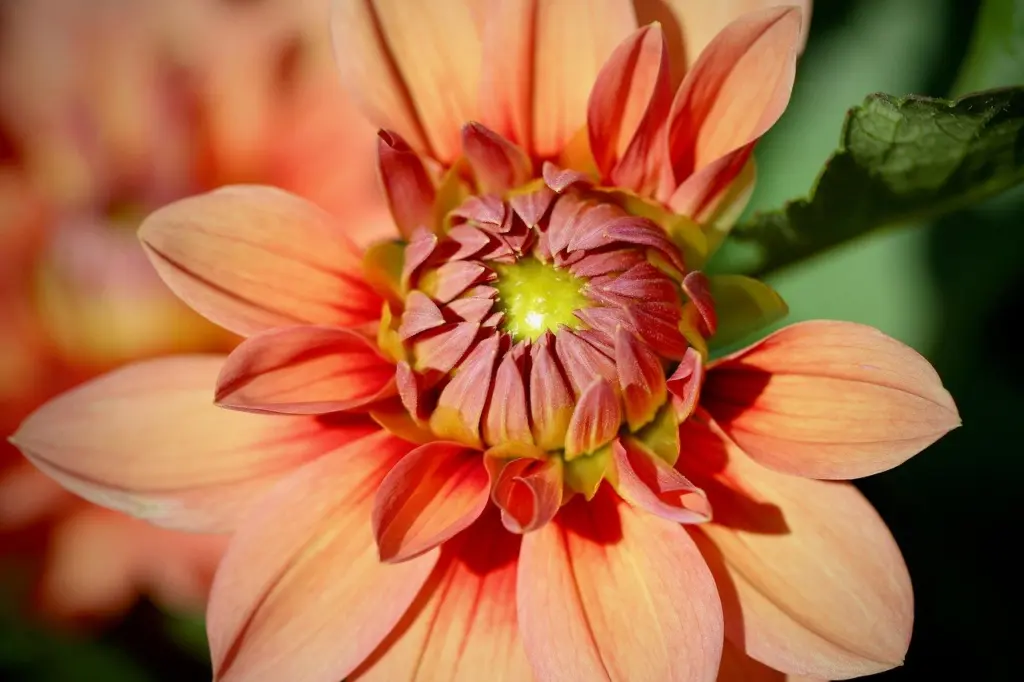
Frost is the second constraint. Brent and Becky’s Bulbs point out that dahlias cannot take freezing temperatures, which is why gardeners in the southeast wait until the soil is above 60°F. Planting early gains nothing: a tuber in cold ground does not grow faster, and it sits in damp soil for longer.
This explains why a warm spell in early spring is a poor signal. Air temperature can swing up and down within days, while soil at tuber depth warms more slowly and steadily. A reading, not a feeling about the weather, is what decides the day.
Finding your planting window
Your planting window opens when two conditions are met together: the local last frost date has passed and the soil reading is right. Check both rather than trusting either alone.
Last frost date
The last frost date can be found through a local university extension service or an online tool that works from your zip code, and Longfield Gardens advises waiting until that date has passed. A zone number on its own does not give you a planting date, so use the local figure. The same vendor says that in most regions the threat of a hard frost has passed by mid-May, but treat that as a general pattern rather than a rule for your garden.
Soil temperature
Use a soil thermometer and measure about 4 to 6 inches deep, which is where the tuber will be resting. Take the reading at the depth that matters; a surface reading will run warmer or colder than the soil around the tuber.
| Condition | What it means for tubers | Planning use |
|---|---|---|
| Soil at least 60°F | Preferred warmth for dahlias | Plant once the last frost date has also passed |
| Soil below 55°F | Tuber may sit dormant and meet moisture problems | Wait and re-check rather than planting on a date |
| Reading taken 4 to 6 inches deep | Matches where the tuber will rest | Use a probe thermometer, not a surface guess |
| Last frost date not yet passed | Dahlias are not frost-hardy | Hold tubers back or start them in pots |
Figures are from Longfield Gardens and Brent and Becky’s Bulbs.
If the soil is between the two thresholds, be patient. Soil under 60°F is not an emergency, but it is not yet the preferred condition, and a week or two of waiting costs little compared with a rotted tuber.
Starting dahlias indoors
Yes, dahlias can be started indoors, and it is the best option when frost is still possible or the outdoor soil is slow to warm. There are two approaches, and both are described by a Maine dahlia farm.
- Pre-sprouting: keep tubers above 60°F for a couple of weeks. As they warm, the eyes begin to swell, which tells you they are awake.
- Potting up: pot tubers about a month before planting outdoors, with the eyes just above the soil line in the pot.
Potted plants must be hardened off before they go into the garden. Move the pots outside once outdoor temperatures allow, then plant them in the field. Indoor starts still obey the frost rule: the last frost date and soil warmth decide the day they go out, not how advanced the sprouts look.
Planting step by step
Once the window is open, planting is quick. Work through these steps in order.
- Check the tuber. A viable tuber has three essential parts: eyes, a tuber body and a neck, and all three must be present for a healthy plant, according to the Maine farm’s guide.
- Choose the site. Dahlias need full sun, which means 6 or more hours of sunlight, per the San Diego Seed Company. That source adds that tubers rot easily if left moist, so the soil must drain well, and garden ground should be amended with compost.
- Prepare the mix. For containers, Brent and Becky’s Bulbs recommend a good, coarse mix that drains well.
- Space the plants. Most dahlias go about 18 inches apart, and large dinnerplate varieties about 24 inches, according to the Maine farm. Longfield Gardens gives a usual range of 18 to 24 inches and notes that some varieties reach 4 to 5 feet tall. Give tall or dinnerplate types the wider spacing.
- Set the depth. Cover the tuberous root cluster with soil and keep the old stem at soil level, because that is where the sprout will come from, as Brent and Becky’s Bulbs explain. No more precise depth figure is needed: the old stem is your guide.
That last point answers the depth question in practice. Plant so the cluster is buried and the old stem is level with the soil, not so deep that the stem is smothered.
Care after planting
The first weeks after planting call for restraint, then protection if the weather turns, then support as the stems grow.
Watering
Hold off on water. The Maine farm says not to water tubers unless the soil is unusually dry, and to wait until sprouts have emerged. Longfield Gardens says the first green shoots usually appear 2 to 4 weeks after planting, so a long gap with no visible growth is normal.
Late frost
If a frost follows planting, cover emerging sprouts overnight. Longfield Gardens suggests a bucket or a layer of mulch. This works for newly emerged shoots; keeping an eye on the forecast during the first weeks is more reliable than assuming the last frost date is final.
Staking
Dahlia stems are hollow and need support. For home gardens, the Maine farm finds that a single bamboo stake per plant works well. Tall varieties that reach 4 to 5 feet need that support more than compact ones do.
Zones, overwintering and tuber storage
Your USDA zone matters less for when to plant than for what happens at the end of the season. Brent and Becky’s Bulbs state that dahlias are too tender to last the winter in the garden in zones below 7, and that zone 7 needs a protective mulch layer. The San Diego Seed Company says gardeners in zones 9 and 10 do not have to dig them up, unless the site is particularly wet.
Where tubers must come out of the ground, wait until about a week of frost has browned the foliage, then lift them and let them dry. Store them in sand or wood shavings with a little soil still on them. Do this alongside the other end-of-season jobs, such as How To Winterize A Lawn Mower: Easy Steps To Protect Your Machine This Winter (2026 Guide).
Spring-flowering bulbs follow their own calendar, which you can compare in When To Plant Daffodil Bulbs: The Simple 2026 Guide To Timing For Bigger Blooms.
Frequently asked questions
Is it safe to plant dahlias in May?
Often, but confirm it locally. Longfield Gardens says the threat of a hard frost has passed by mid-May in most regions. A Maine farm still waits until mid- to late May even when the forecast looks favorable, because dahlias are not frost-hardy.
Why do dahlias slow down in midsummer?
Brent and Becky’s Bulbs say dahlias bloom best when nights are cool in May and June, and that blooming tapers as July nights get hot. Planting on time gives plants the cool stretch to establish.
Should I wash tubers before storing them?
No. Brent and Becky’s Bulbs warn against washing, because it introduces fungi and bruises the tubers. Dry them and store them with a little soil on them.