A gardener watches the leaves drop and wonders how to winterize hydrangeas. Bloom habit decides: bigleaf and oakleaf types carry next year’s buds on old wood and want mulch plus cover in hard cold; panicle and smooth types need no winter protection.
The steps below fit into a wider seasonal garden checklist. Most of the work is knowing what to leave alone: no fall pruning, no early wrapping and no late feeding.
Bloom habit decides what winter protection means
The common assumption is that every hydrangea needs the same wrap. It does not. Bigleaf (macrophylla) and oakleaf (quercifolia) hydrangeas bloom primarily on the previous season’s growth, which gardeners call old wood. Those plants start developing buds within their current stems around August. A stem killed by cold in winter therefore takes next summer’s flowers with it.
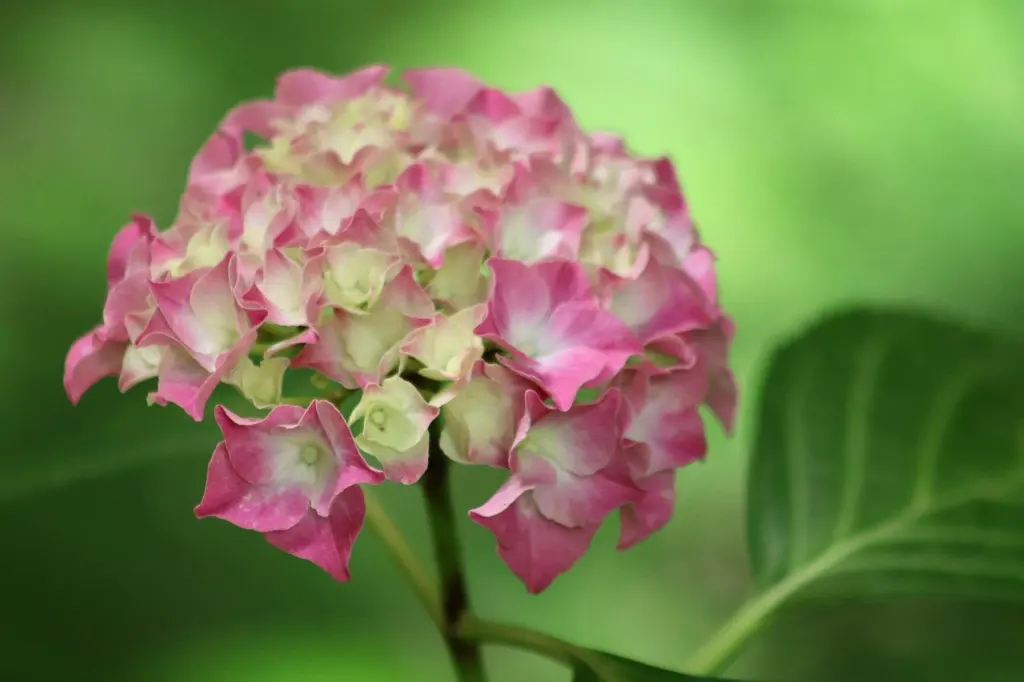
Panicle and smooth hydrangeas bloom on new wood. They flower reliably even if winter cuts them back, so protecting them is effort better spent elsewhere.
| Hydrangea type | Blooms on | Winter protection and pruning | Planning use |
|---|---|---|---|
| Bigleaf and oakleaf | Old wood (previous season’s growth) | Mulch the base; cover with burlap or blankets when temperatures reach 0°F or below; remove spent blooms only and leave woody stems standing | Put your protection effort here and keep every stem that could carry a bud |
| Panicle and smooth | New wood (current season’s growth) | No winter protection required; prune in late winter to early spring | Skip the wrapping and do the cutting once the season turns |
Bloom habit and protection needs here follow a Northeast Ohio garden centre’s hydrangea guide and a hydrangea grower’s winter guide.
The practical consequence is that your first winter task is identifying each shrub. A mixed border can hold plants with opposite needs, and treating them identically either wastes effort or risks the buds.
Timing: later than most gardeners expect
Another misconception is that winterizing starts as soon as summer ends. In cooler climates, a hydrangea grower advises preparing the shrub in late fall, a few weeks before the first frost. A Northeast Ohio garden centre is more specific for its area: wait until mid-November to apply protective measures, once the shrub’s leaves have fallen, and add deep mulch in late November or early December.
Treat those dates as a regional example rather than a national calendar. In your own area, the signal is the same: protection goes on after leaf drop and shortly before hard freezes, not during warm autumn weather.
Watering by USDA zone
Zone matters most for watering, according to the same grower’s guide:
- Zones 3 to 7: one thorough watering before winter sets in is likely all that is needed.
- Zones 7 to 11: infrequent but deep watering helps until the following spring.
- Dry winter spells: extension advice is to give shrubs and woody plants supplemental water when the weather is above 40°F and no snow is on the ground.
Fall chores compete for the same weekends. If you are also planting bulbs, the guide to When To Plant Allium Bulbs: The Easy 2026 Guide To Perfect Spring Or Summer Blooms helps you fit that job around the hydrangea work.
Pruning myths before winter
Should you prune before winter? No. A hydrangea grower notes that pruning just before winter leaves hydrangeas more susceptible to winter damage. Tidying in fall feels productive, but for old-wood types it removes the stems that hold the buds.
- Bigleaf and oakleaf: remove spent blooms only. The garden centre advice is not to hard prune the woody stems and to leave them standing for winter. The grower’s guide goes further and recommends no pruning at all for old-wood bloomers.
- Panicle and smooth: wait. Pruning is optimal in late winter or early spring, as green leaf buds emerge, because these types flower on the growth they make that season.
If you are unsure which camp a shrub belongs to, the safer choice is to make no cuts in fall. A missed tidy-up costs nothing, whereas a wrongly cut old-wood stem costs a year of flowers.
Mulch, bare collars and feeding
Mulch is not a single recipe, because the sources describe different jobs. Keeping them apart avoids the mistake of burying the plant.
- Routine mulch: two inches of mulch keeps moisture in and weeds out. Leave a few inches bare around the base of the plant rather than piling mulch against the stems.
- Winter insulation for old-wood types: the Northeast Ohio garden centre suggests 4 to 8 inches deep around the base, applied in late November or early December.
- The upper limit: a hydrangea grower describes hardwood mulch up to 12 inches thick at the base. That is a ceiling for very cold sites, not a target for every garden.
Choose the lighter layer for panicle and smooth hydrangeas and the deeper layer for bigleaf and oakleaf plants where the buds are at stake. Whatever the depth, apply it after the leaves have fallen, as in the timing section, and keep it clear of the stems.
Burlap and covers for very cold nights
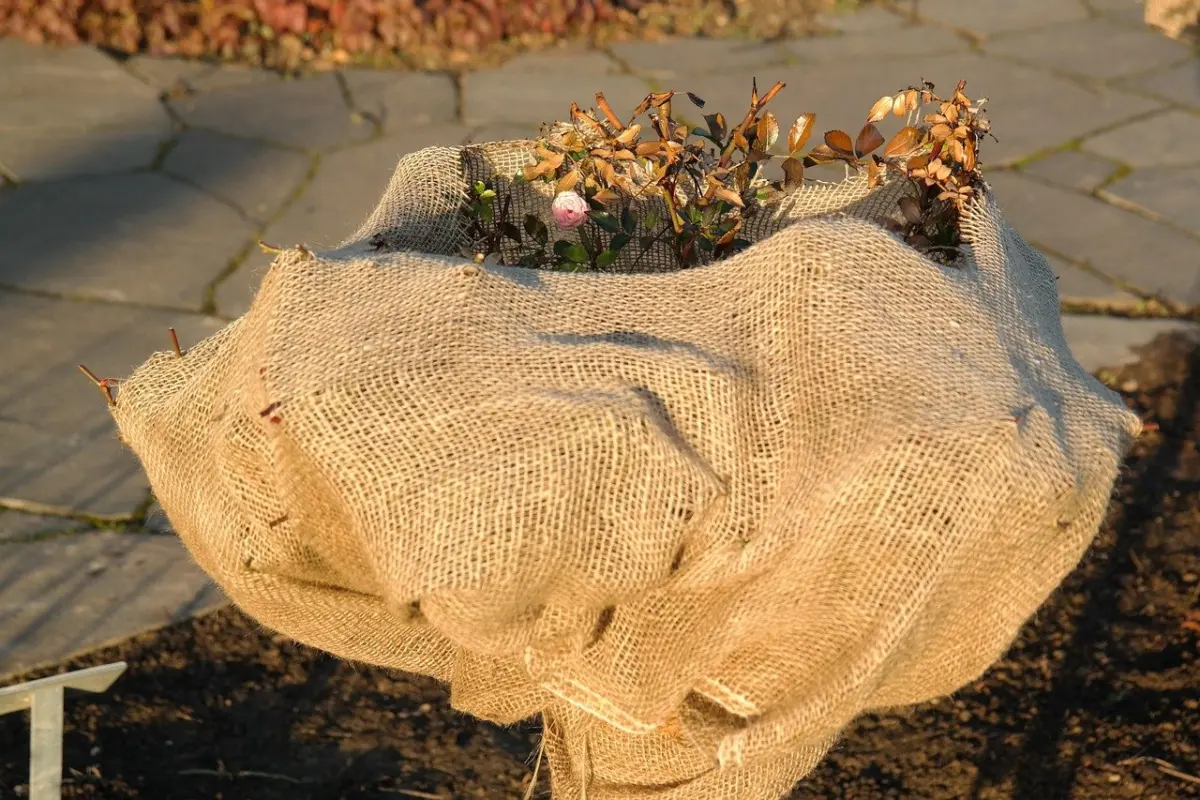
Covers are for extreme cold, not a routine autumn ritual. Old-wood hydrangeas may need extra protection when temperatures fall to 0°F or below, and the grower’s guide says you can cover the shrub with burlap or even standard household blankets. Burlap is the tidier long-term choice, but blankets are a reasonable emergency measure when a cold snap is forecast.
Watch the cover after storms. If snow accumulates on top of the covering, brush it off frequently so the weight does not damage the shrub beneath. Panicle and smooth hydrangeas need none of this.
Container hydrangeas need more than ground-planted ones
A pot is not as hardy as the ground. An extension answer for Huron County, Michigan (zone 5b/6a) warns that roots generally will not survive freezing in an unprotected pot above ground. Bringing potted plants into the house is no easy fix either: overwintering large potted hydrangeas indoors is difficult and usually not successful.
Storing a pot in an unheated garage
Garden writer Melinda Myers suggests moving pots into an unheated garage once the plants are dormant, and keeping up watering until the ground freezes beforehand. The extension answer adds one condition: the garage must remain above freezing. Follow these steps:
- Set the pot on a board so it does not sit in direct contact with the bare floor, and surround it with insulating material, as the Northeast Ohio garden centre advises.
- Water lightly, about once per month, according to the same source.
- Aim for soil that is not wet but never thoroughly dry, per the extension guidance.
If the garage or porch can freeze
When freezing is possible, insulate the pot itself. The extension answer lists styrofoam insulation, bubble wrap, or a larger container packed with mulch or evergreen branches. Myers also mentions sinking or insulating the pot as an outdoor option.
Porch planters often get swapped for autumn displays. The designs in Fall Planter Ideas: 9 Easy, Cozy Designs to Refresh Your Porch in 2026 suit seasonal colour, but a potted hydrangea belongs in storage, not in the display.
Frequently asked questions
| Question | Answer |
|---|---|
| Should I fertilize hydrangeas in fall? | No. Hydrangeas are deciduous, and the Northeast Ohio garden centre advises not feeding until next spring. |
| Can a large potted hydrangea spend winter indoors? | It is usually not successful, according to Melinda Myers. A dormant plant in an unheated garage that stays above freezing is the more dependable route. |
| How cold can panicle and smooth hydrangeas go without cover? | A hydrangea grower says they suit gardeners all the way down to USDA Zone 3, so no winter covering is part of their routine. |