| Decision | Rule of thumb | Planning use |
|---|---|---|
| Sun for full-sun plants | At least 6 hours of sunlight daily | Give the brightest bed to full-sun vegetables and fruit. Measure the spot before you buy plants. |
| Sun for herbs and leafy greens | Herbs 4 to 8 hours; leafy greens 4+ hours | Partly shaded beds can still hold herbs and greens, so they do not have to compete for your best spot. |
| Soil texture | Loose, well-drained, rich in organic matter | Judge the soil by feel and drainage first. Add compost where it falls short. |
| Soil pH | Near neutral, 5.5 to 7, for most vegetables and fruit | Test before adding amendments, so you correct a measured problem. |
| Water | At least 1 inch per week; avoid overwatering | Check the soil before watering, and expect containers to need more. |
| Starting seeds indoors | Fill trays about 6 to 8 weeks before the last frost date | Count backwards from your local last frost date to set a sowing day. |
| Transplanting day | Mild, 60 to 70°F, not windy | Pick the weather, not only the calendar date. |
| Leafy greens temperature | Cool temperatures, 35°F to 65°F | Plan greens for the cool parts of the growing season. |
These figures come from eatright.org’s first-time gardener tips and Gardenary’s beginner guide.
Gardening for beginners goes best when you start with easy plants, give full-sun crops at least 6 hours of daily sunlight, and time planting to your hardiness zone and last frost date.
This page routes you by plant type and skill level. It covers choosing first plants, reading your zone, preparing soil and timing planting. It then points to the detailed guides for individual crops, flowers, houseplants and garden problems. If you are still deciding between plants that return each year and plants that finish in one season, read annuals vs perennials first.
Choosing what to grow first
A beginner should start with easy-to-grow plants. Skill level is one of the factors eatright.org’s first-time gardener guidance lists when you choose what to plant. Gardenary makes a related point: gardening is not an inherited gift but a skill. That framing helps in the first season. You are not trying to grow everything. You are learning your own light, soil and weather with a few forgiving plants, and each success shows you which conditions to repeat.
Your starting point depends mainly on what you want back from the garden. The choices below are grouped by plant type, with a note on who each suits.
Vegetables from seed for quick feedback
eatright.org names lettuce, spinach, arugula, radishes, carrots, beets, green beans, cucumbers, melon and zucchini as vegetables that are relatively easy to grow from seed and can be harvested quickly. Radishes are the clearest example. Gardenary says you can have your first root vegetable in just five weeks.
- Choose seed-grown quick crops if you want results within one short stretch of the season and do not mind sowing directly where the plants will grow.
- Start with radishes or lettuce if your main goal is to learn how seed, soil and watering interact. A quick crop shows you the result of each decision within weeks.
- Add beans, cucumbers or zucchini if you have a sunny bed and want a crop that gives you something to pick as well as something to learn from.
Transplants for a head start
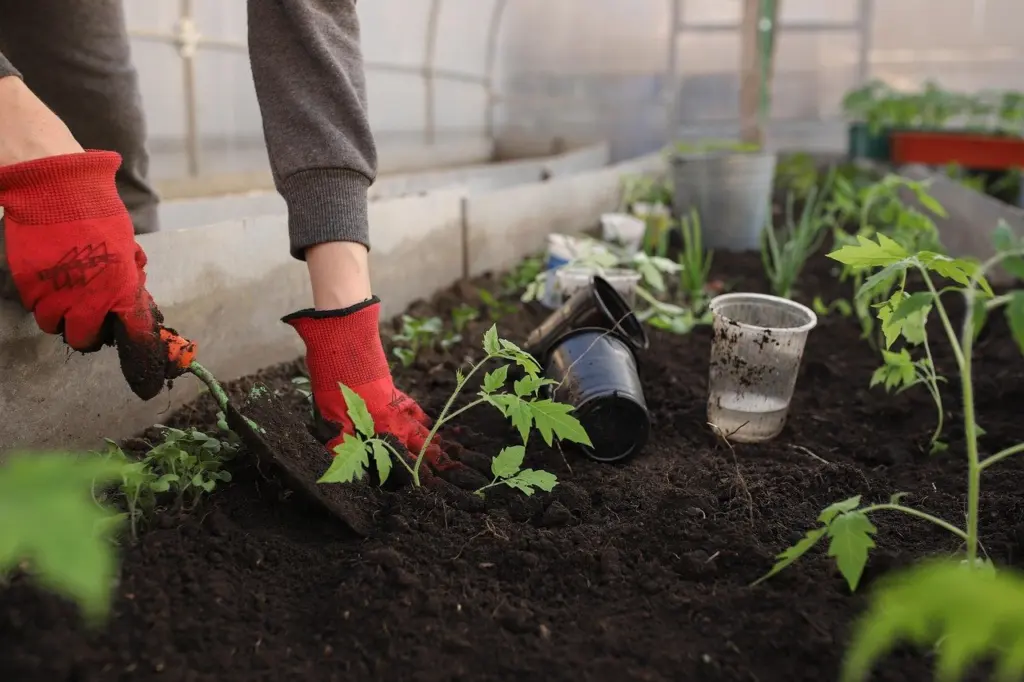
One beginner guide suggests starting with established transplants rather than seeds. The same guide lists beans, garlic, squash, cucumbers, lettuce, scallions and tomatoes as good beginner choices. Transplants suit you if you do not have a bright window or a seed-starting setup, because you skip the indoor stage entirely. They also suit you if you would rather spend your first season learning to site, plant and water than learning germination. Seed is the better route if you want a quick crop like radishes that is sown straight into the ground. Tomatoes also appear on that beginner list. Our guide on how to grow tomatoes takes one from seedling to harvest.
Perennials for plants that return
Perennials come back year after year, so they reward patience rather than speed. Strawberries are perennials and can survive a cold winter. Planting zones matter most for this group: zones mainly apply to perennials, trees and shrubs. Check your zone before you buy any perennial, because a plant that cannot handle your coldest winters is a poor investment however easy it looks on the label. When you are ready to compare plant types in detail, the guide to how to grow strawberries is a practical first perennial project.
Containers or beds for limited space
Space shapes the whole plan. Containers let you garden on a patio or balcony and move plants to follow the light, but eatright.org notes that they usually require more frequent watering and fertilizing. Choose containers if you have no ground to dig and can check them often. Choose in-ground or raised beds if you will be away for stretches. If you are working with a very small plot, Small Vegetable Garden Ideas: 10 High-Yield Layouts and Smart Hacks for Tiny Spaces (2026) shows how to lay it out.
Hardiness zones and frost dates
Hardiness zones tell you which perennials, trees and shrubs are likely to survive your winters. Frost dates tell you when it is safe to put tender plants outside. You need both, and they answer different questions.
What a zone actually measures
The United States is divided into USDA Plant Hardiness Zones based on how cold it typically gets in winter. Each zone’s temperature range reflects the average coldest winter temperatures in an area over time. That makes a zone a long-run average, not a forecast for next January. A zone number is a useful filter for choosing plants, not a guarantee that a plant will survive any particular winter. Our explainer on what are plant hardiness zones goes further into reading the map and how zones differ from frost dates.
How to find your zone
Start by looking up your location on a published USDA zone listing, such as the one the Almanac discusses on its planting zones page. Then confirm it against the plants you are buying. Plant tags, seed catalogs and growing guides often list hardiness zones, so the number you find for your location can be compared directly with the rating on each plant.
- Match the rating to your zone before you buy. A plant rated for your zone or a colder one is the safe choice.
- Treat a zone as a starting point. Your own yard can behave differently from the average for your area.
When you are near a zone border
Neighbouring areas can differ. Elevation, wind exposure, urban heat and proximity to water can all affect winter temperatures. If you are on the edge between two zones, the Almanac advises that when in doubt you choose plants rated for the colder zone, or take steps to protect more tender plants. Choosing the colder-zone rating suits beginners best, because it removes a risk that you cannot easily see until a hard winter arrives.
Pushing past your zone, and annuals
You can sometimes grow something a little tender. Microclimates, winter protection, containers or sheltered planting locations can help tender plants survive. That is a reasonable experiment once you have a few reliable plants, but it is not a first-season strategy. Annuals are a separate case. They usually complete their life cycle in one season, but planting zones can still help guide planting timing. When a cold night is forecast after you have planted, our guide on how to protect plants from frost covers the options.
Soil, compost and feeding
Good soil should be loose, well-drained and rich in organic matter, according to eatright.org. Those three qualities are the target for every bed, whatever you plant in it.
Test before you amend
Most vegetable and fruit plants grow best when soil pH is near neutral, between 5.5 and 7. You cannot see pH, so a test tells you whether you have a problem. The same source adds that the U.S. Department of Agriculture recommends testing soil to make sure it is safe, which matters most for beds where you will grow food. Test first and amend second. That way you add what the soil needs rather than guessing, and you find out about any safety concern before you plant something you will eat.
Improve soil with compost and organic matter
The simplest improvement is organic matter. You can improve soil quality by adding compost or other organic matter such as dried leaves, grass clippings and peat moss. Compost is a natural fertilizer made from organic matter such as leaves, grass clippings and food scraps. That makes it the sensible first amendment for a new bed. It addresses the “rich in organic matter” part of the target and feeds the plants at the same time. If you want to understand the labels on bagged products before you buy, read what do fertilizer numbers mean.
When the yard soil is clay or sand
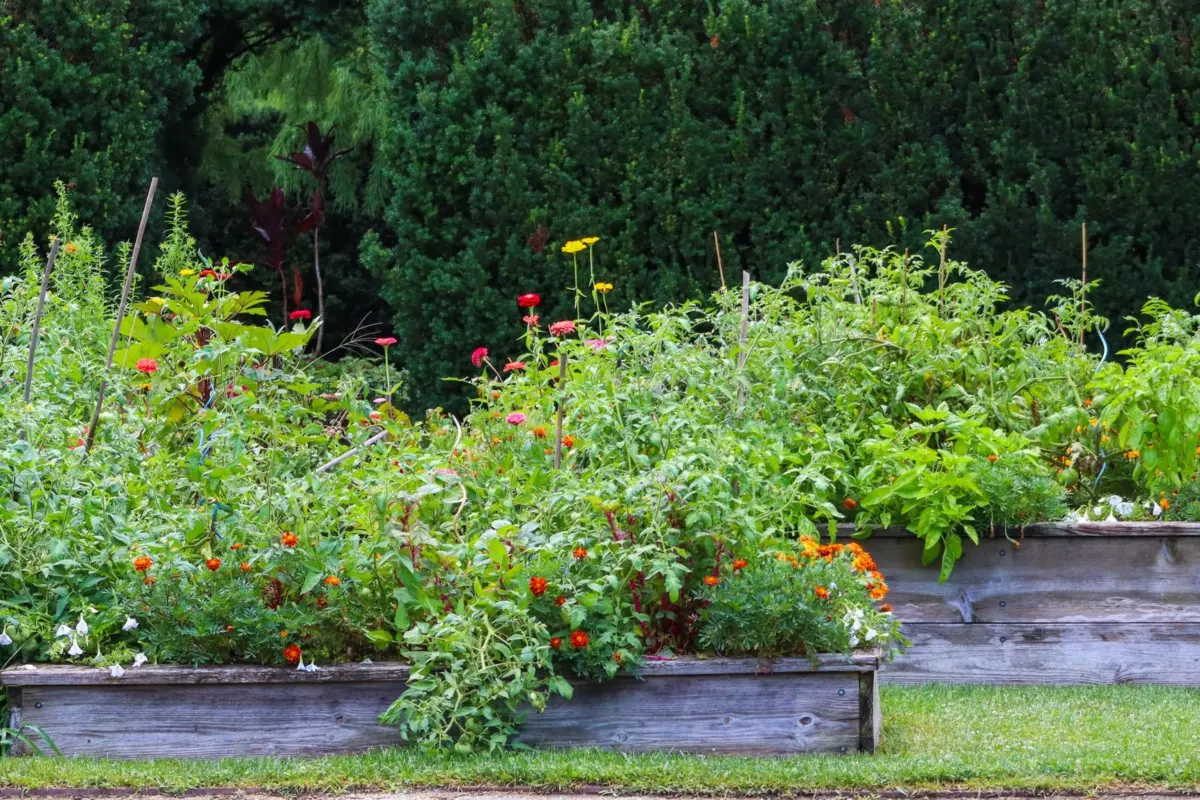
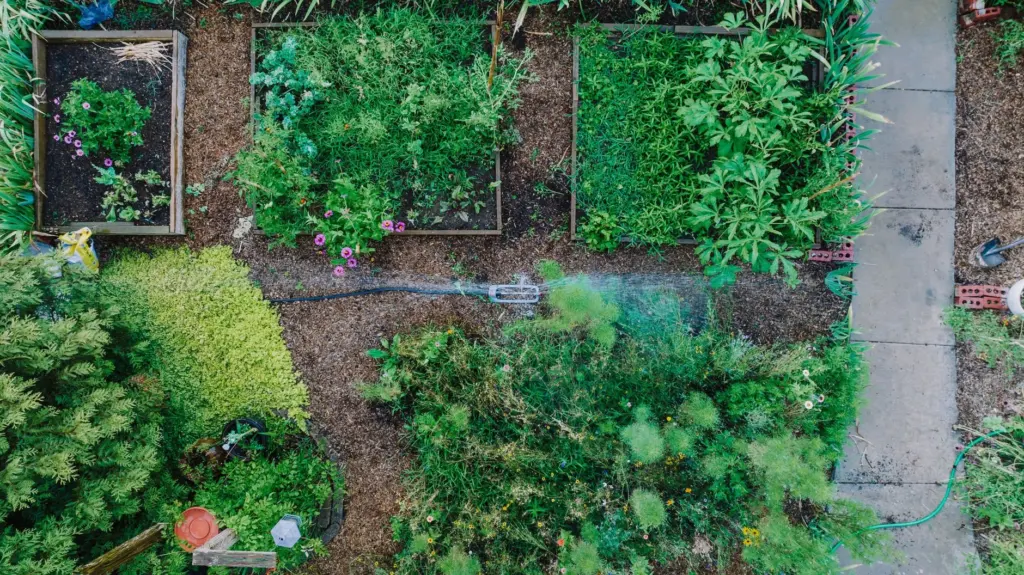
Not every yard has soil worth improving in place. Raised beds are a good option for gardeners who do not have good soil in their yard, such as clay or sand. A raised bed lets you start with a soil mix you control instead of fighting what is underneath. Choose a raised bed if digging in is not working or you want a defined growing area with clear paths. Stay with in-ground planting if your soil already crumbles easily and drains well.
If plants in a prepared bed start to look unhealthy, the guide to why are my plant leaves turning yellow helps you work through the likely causes.
Sun, water and site
Light and water decide more than any product you buy, so check them before you plant.
Match plants to the light you have
Plants that grow best in full sun need a location that provides at least 6 hours of sunlight daily. That figure is a minimum for full-sun plants, not a target to chase with every crop. Herbs need 4 to 8 hours of sunlight and a regular water source. Leafy greens need 4+ hours sunlight and prefer cool temperatures between 35°F and 65°F. In practice, put the fruiting vegetables in the sunniest bed, and use the partly shaded spots for herbs and greens. If your whole yard is shady, choose shade-tolerant plants rather than forcing sun lovers, and look at Shade-Savvy Perennials That Bloom All Summer: 2026 Guide To Bright, Low-Light Borders for flowering options.
Water steadily, not heavily
Most plants need at least 1 inch of water per week, but you should avoid overwatering. The first number is a floor, and the warning is the other half of the instruction. Check the soil before you water rather than watering on a fixed schedule. Containers are the exception to the weekly rhythm because they usually need more frequent watering, as noted above.
Planting dates and timing
Planting dates depend on your local last frost date and on how each crop handles cool weather. The source material gives timing rules by crop group rather than a single calendar, and that is the right way to plan.
Start seeds indoors on a countdown
Fill seed trays or pots with seed-starting mix about 6 to 8 weeks before the last frost date. Find your last frost date, count back 6 to 8 weeks, and mark that sowing window on a calendar. Our walkthrough on how to start seeds indoors covers the setup in detail. Skip this stage in your first year if you would rather buy transplants.
Match crops to the weather
In general, you should plant when the soil is warm and the weather is consistently temperate. Some vegetables tolerate cooler temperatures and may mature quicker, so they can be planted earlier and sometimes more than once in a season. The table below turns those rules into planning decisions.
| Crop group | Timing rule | Planning use |
|---|---|---|
| Cool-tolerant vegetables | Can be planted earlier and sometimes more than once per season | Sow these first, and leave room to sow again. |
| Leafy greens | Cool temperatures, 35°F to 65°F; 4+ hours of sun | Aim for the cooler parts of the season and use partly shaded beds. |
| Radishes | First root vegetable in about five weeks | Use as a quick first crop to test your soil and watering. |
| Seed-started plants | Sow about 6 to 8 weeks before the last frost date | Count back from your frost date to set a sowing day. |
| Most other crops | Plant when soil is warm and weather is consistently temperate | Wait for settled weather rather than the first warm day. |
For crops with their own timing questions, see When To Plant Tomato Plants: The Simple Timing Guide To Maximize Yield In Any Zone (2026) and When Is The Best Time To Plant Potatoes? A Practical Guide For Every Climate (2026).
Transplant on a mild day
Choose a day when the weather is mild, between 60 and 70 degrees Fahrenheit, and not windy. Seedlings raised indoors or bought in a nursery have not been toughened by outdoor conditions, so a calm, moderate day lowers the shock of moving. Our guide on how to harden off seedlings explains how to ease them outdoors first.
Guides by plant type
Once you have a site, soil and a timing plan, move to the guide that fits what you chose. These are grouped by plant type so you can go straight to the one that matches your plan.
Vegetables and fruit
- Tomatoes: after reading how to grow tomatoes, see Companion Planting For Tomatoes: 12 Best Picks, What To Avoid, And How To Plan In 2026 for what to plant nearby.
- Garlic: how to grow garlic follows the crop from clove to cured bulb, and garlic appears on one beginner list of good first vegetables.
- Strawberries: a perennial fruit that fits the zone advice above, covered in how to grow strawberries.
- Small spaces: use the layouts in the small vegetable garden guide linked earlier if you are working with a balcony or a corner.
Flowers and shrubs
- Annual cut flowers: How to Grow Zinnias: Easy Steps For Big Blooms All Summer (2026) and how to grow sunflowers suit gardeners who want bloom from seed.
- Roses: how to grow roses is written for first-time rose growers.
- Hydrangeas: pruning is the main task, covered in How To Prune Hydrangeas Like A Pro: Timing, Techniques, And Tips (2026 Guide).
- Keeping blooms coming: how to deadhead flowers explains the routine upkeep that goes with most flowering plants.
Houseplants and indoor projects
If your first garden is a windowsill, start with How To Grow Succulents: Easy Steps To Thriving Plants In 2026. For plants you can multiply from cuttings, see How To Propagate Pothos: 3 Easy Methods For Fast, Healthy Cuttings (2026) and How To Propagate Monstera Deliciosa: A Step-By-Step Guide For Healthy New Plants (2026). Larger indoor plants are covered in How To Grow A Healthy Money Tree: Simple Steps For Bigger, Happier Houseplants In 2026 and How To Grow A Christmas Cactus: Easy Care Tips For Bigger Blooms In 2026. For a project that starts from kitchen waste, try How To Grow An Avocado From A Pit: A Simple Step‑By‑Step Guide For 2026.
Pests and wildlife
Garden pests need a separate plan once plants are growing. Two common problems have their own guides: how to get rid of slugs in garden and how to keep deer out of garden. Decide on protection before you plant anything you would hate to lose, because it is much easier to fence or shield a bed on planting day than after the damage.
Frequently asked questions
What should beginners grow first?
Easy plants that give quick feedback. Radishes, lettuce, green beans, cucumbers and zucchini are all named as easy from seed, and beans, garlic, scallions and tomatoes appear on a beginner list. Match your pick to your sunlight and your skill level.
How do I find my hardiness zone?
Look up your location on a USDA-based zone listing, then compare the result with the zone printed on plant tags, seed catalogs and growing guides. If you are on a border, choose plants rated for the colder zone.
How do I improve garden soil?
Add compost or other organic matter, such as dried leaves or grass clippings, until the soil is loose, well-drained and rich in organic matter. Test first to check pH and safety, and consider raised beds if the yard soil is clay or sand.
Do hardiness zones matter for annuals?
Less than for perennials, trees and shrubs, because annuals finish in one season. Zones can still help you decide when to plant and when to protect against frost.
Do containers need more care than garden beds?
Usually yes. Containers typically need more frequent watering and fertilizing than plants growing in the ground, so they suit gardeners who can check them often.