| Care area | What is supported | Planning use |
|---|---|---|
| Light | Bright, filtered light; some light shade is tolerated; strong direct sun can cause sunburn | Choose a bright spot back from hot, direct sun rather than the sunniest sill. |
| Temperature | 65 to 85 °F (about 18 to 29 °C) is ideal; never below 12 °C | Treat the warm range as the target and 12 °C as a floor to stay well clear of. |
| Watering | Water thoroughly, let the soil nearly dry between waterings without letting roots dry out, and empty the run-off dish after 15 minutes | Check the soil before every watering instead of following a calendar. |
| Humidity | Gentle humidity of around 50% | Add a tray of wet pebbles in a dry room. |
| Feeding | Balanced organic fertilizer at half strength every two weeks, March to September only | Stop feeding outside that growing window. |
| Pruning | Spring; cut ½ inch above a node, removing no more than half the length of a stem | Prune free stems only and never cut into the braid. |
| Repotting | May be needed every two or three years | Treat repotting as an occasional job, not a yearly one. |
Figures come from the New York Botanical Garden’s Pachira aquatica guide, except the 12 °C floor, which comes from Plantura’s money tree overview.
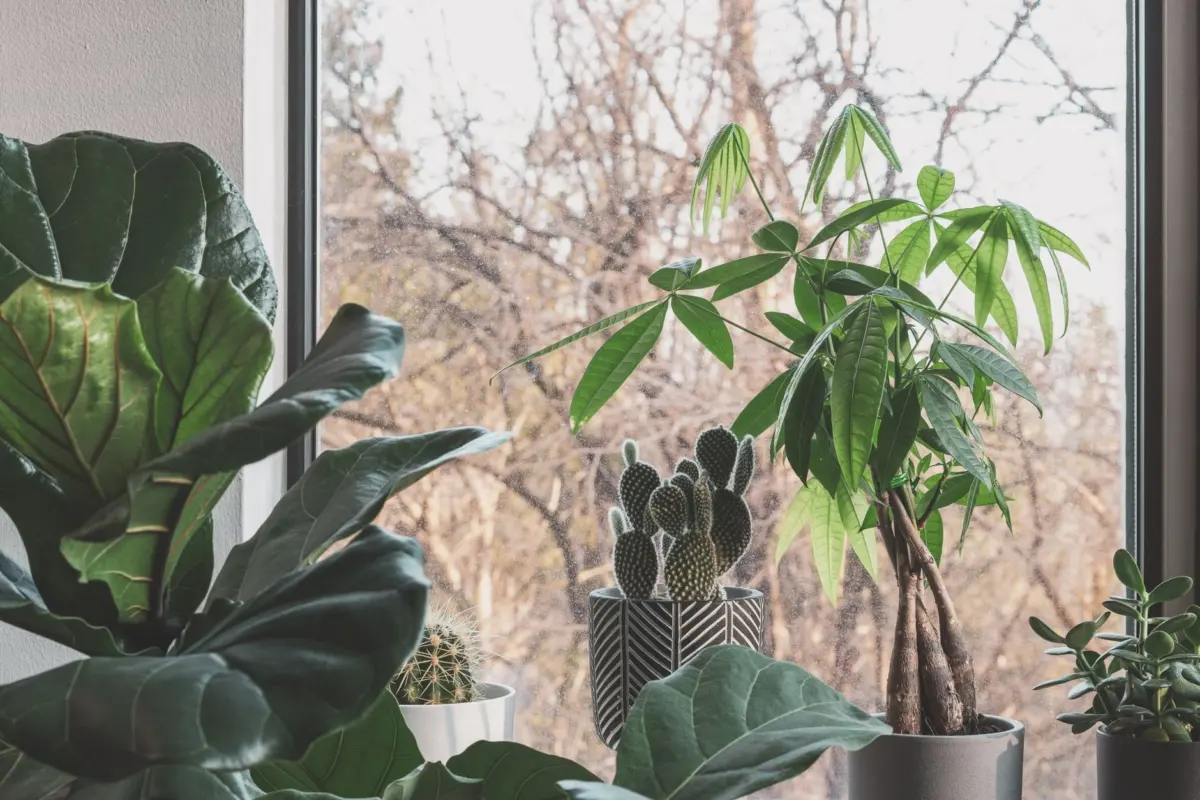
How to grow money tree plants indoors: give bright, filtered light, a pot with a drain hole and soil that drains well, and water only when the soil has nearly dried. Yellow leaves usually point to watering, light or a sudden change.
If you are new to houseplants, our guide to gardening for beginners covers the wider basics. The sections below start with the habits that cause the most damage, then move to placement, feeding, symptoms and pruning for Pachira aquatica, the species sold as the money tree.
Watering routine and soil
A money tree should be watered when its soil has nearly dried, so the interval follows the season and the room rather than a set number of days. This is the single decision that most affects leaf colour and root health.
How often to water by season
The New York Botanical Garden advises watering thoroughly, then letting the soil nearly dry between waterings while never letting the roots dry out. Other guides put numbers on “nearly dry”. One garden-centre guide says the top two to four inches of soil should dry out, while Plantura says half of the substrate should be dry before the next watering. The wording differs, so read the top few inches drying as the earliest moment to water, and a pot that has dried right through as too late.
- Water thoroughly each time. Give a full watering, then wait for the soil to dry down before the next one.
- Empty the run-off dish. Check after 15 minutes and remove any water still sitting in the dish, as the botanical garden recommends.
- Stretch or shorten the gap with the season. NYBG says to adjust frequency as conditions change: a drier home dries the soil faster, and short winter days slow it down.
Pot and soil
NYBG describes the plant’s needs as a routine of moderate moisture in a container with a drain hole and soil that drains well. Plantura describes the substrate as loose, well-draining and nutrient-rich. The practical result is that a dense mix in a pot with no way out for water holds the roots wet for too long. Plantura warns that waterlogging can lead to root rot, so a pot with a drain hole and loose, well-draining soil is cheaper insurance than any later rescue.
Light and temperature
Money trees do best in bright, filtered light, and the main risk is a spot that is too sunny rather than too bright. The botanical garden’s guide says the plant prefers bright, filtered light but will put up with some light shade, and that strong direct sun can cause sunburn.
For temperature, the same guide calls a warm household of 65 to 85 °F (about 18 to 29 °C) ideal. If your room runs hot, the lower ceiling in a garden-centre guide, 16 to 26 °C (65 to 80 °F), is the safer target. Plantura lists 18 to 20 °C for summer and 12 to 18 °C for winter, and adds that the temperature should never fall below 12 °C. Read that figure as a limit to stay above, not a comfortable winter setting.
- Bright room, not the glass itself. Set the pot back from a sunny pane so the leaves get bright light without the strongest direct sun.
- Dim corner as a compromise. Light shade is tolerated, but a lack of light appears among the causes of yellow leaves, so a dim corner suits a stopgap better than a permanent home.
- Cool winter room. A cooler season is acceptable within the winter range above; keep the plant away from the coldest windows and rooms.
Humidity and feeding
A money tree wants gentle humidity of around 50%, according to NYBG, which suggests a tray of wet pebbles to help. A garden-centre guide recommends misting daily instead. A pebble tray is the lower-effort choice for most households because it works without a daily task, while misting suits someone who passes the plant every day anyway. Low humidity is also a named cause of yellow leaves, so dry winter rooms deserve the extra step.
Feeding has a clear window. NYBG advises a balanced organic fertilizer at half strength every two weeks, during the growing period from March to September only. Skipping feeding in the other months is part of the routine, not an oversight.
Troubleshooting yellow and dropping leaves
Yellowing leaves most often mean the plant is getting too much water, so check the soil before changing anything else. NYBG states that yellowing leaves and rotting stems indicate over-watering.
Yellow leaves: work through the causes
Plantura lists several possible causes for yellow leaves. They are easy to check one by one against the routine above.
- Waterlogging. Look for wet soil, a full run-off dish or a pot without a drain hole.
- Lack of light. If the plant sits well back in a dim room, move it to a brighter spot, away from strong direct sun.
- Low humidity. A dry room is a candidate, especially when the soil is not overly wet.
- Cold or a draught. Check for a cold window, a door or a vent that blows on the plant.
- Frequent location changes. The botanical garden notes the plant dislikes being moved from one position to another and dislikes hot or cold drafts, and leaves can drop as a result. Pick a spot and leave the plant there.
Root rot
Root rot is the serious end of overwatering. Plantura says waterlogging must be avoided because it can lead to root rot and severe damage. Rotting stems are the visible warning that NYBG ties to over-watering, so treat soft stems with soil that stays wet as a prompt to return to the dry-down routine and keep the dish empty. Prevention through drainage is far easier than recovery.
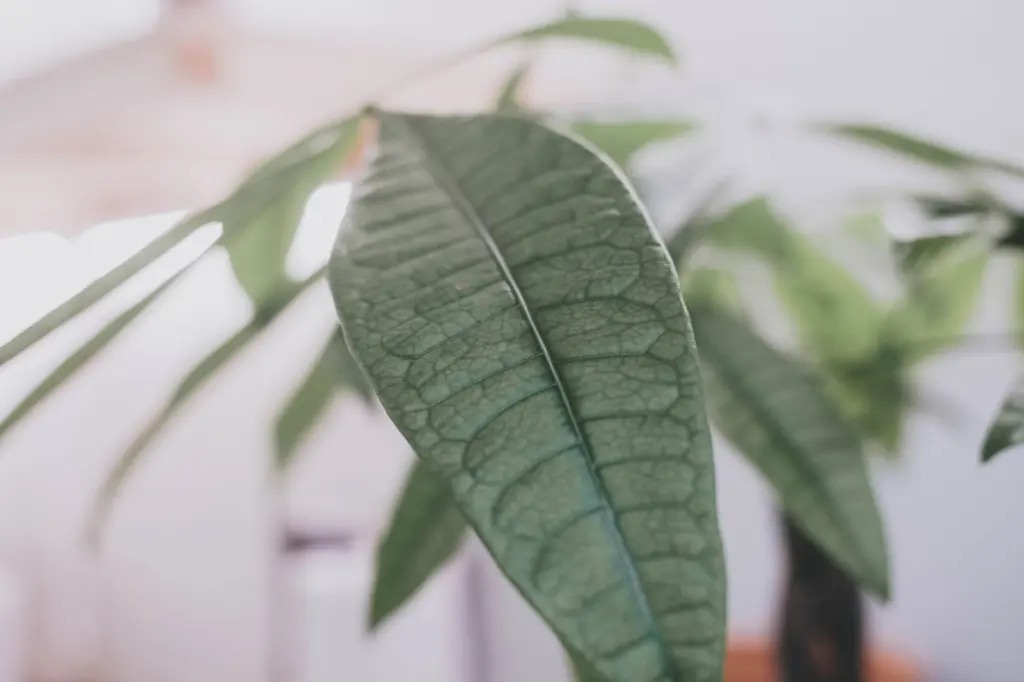
Pruning a braided money tree
Prune a money tree in spring, when the plant resumes strong growth. NYBG advises shaping and tidying at that time, cutting ½ inch above a node or leaf and removing no more than half the length of a stem.
Money trees are frequently sold with the trunks of several plants braided together. That braided trunk is the plant’s main decorative feature, and NYBG’s instruction is clear: do not cut into a braided section of stems. Direct your cuts at the free growth above the braid, and keep each cut close above a node so the stem has a place to continue from.
Building on the routine
Once light, water and placement settle, a money tree asks for seasonal adjustments rather than constant attention. If you enjoy starting plants indoors, How To Grow An Avocado From A Pit: A Simple Step‑By‑Step Guide For 2026 is another windowsill project, and Small Vegetable Garden Ideas: 10 High-Yield Layouts and Smart Hacks for Tiny Spaces (2026) suits growers working with limited room.
Frequently asked questions
How tall does a money tree get indoors?
Plantura gives an indoor height of about 3 to 6 feet, and up to about 2 metres. Under optimal conditions the plant can grow 4 to 20 metres high, which is far taller than an indoor specimen. See Plantura’s overview.
Where does the money tree come from?
Pachira aquatica, also called Malabar chestnut or Guiana chestnut, is from tropical wetlands in Central and South America, according to the New York Botanical Garden.
How often should I repot?
NYBG says a money tree may need repotting every two or three years, so there is no need to move it into a new pot every season.
Does a money tree need regular pruning?
No. Plantura says money plants do not require regular pruning, so remove dead parts and prune only when the tree gets too large.