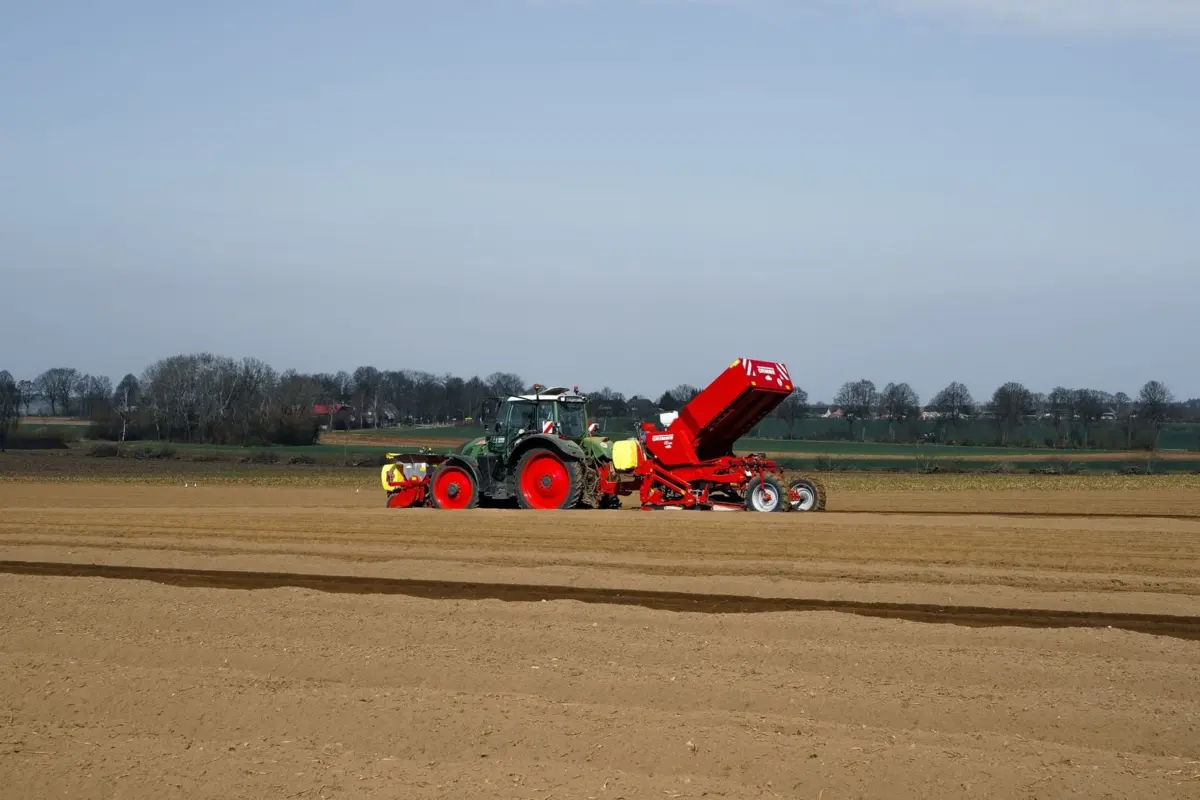
Warm afternoon, seed potatoes in hand, and the question of when is the best time to plant potatoes? Go by soil, not the calendar: at least 55°F by day and 45°F at night, and no earlier than 2 to 3 weeks before last frost.
Frost dates set the outer limit and soil temperature makes the final call. This page is part of our gardening for beginners series. It clears up the most common timing mistakes, then covers regional windows, seed preparation and hilling.
Soil temperature beats the calendar
The most common mistake is planting on a fixed date every year. The Old Farmer’s Almanac advises paying more attention to the soil than the calendar. Its planting threshold is soil at least 55°F during the day and 45°F at night. Seed Savers Exchange adds that potato plants will not begin to grow until the soil reaches 45°F. A seed piece set into colder ground simply sits there, and the daytime figure is the more comfortable planting target. The A Way to Garden guide prefers to wait for the soil to warm a little, so that shoots emerge quickly and grow steadily without stress.
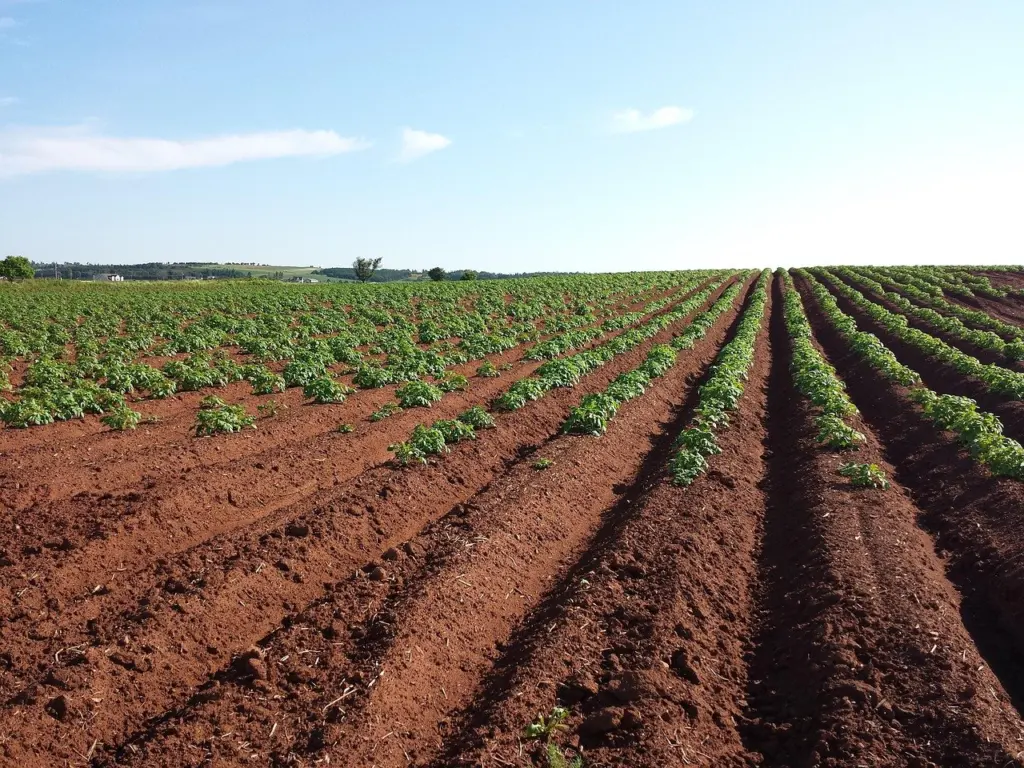
Because the thresholds cover both day and night, check the soil at both ends of the day before you commit. Three assumptions cause most of the early-season trouble.
| Common assumption | What works better | Planning use |
|---|---|---|
| Plant on the same date every year | Judge by soil: at least 55°F by day and 45°F at night | Check the soil before you open the seed bag; wait if it falls short. |
| Plant as soon as the ground can be dug | Start at the earliest 2 to 3 weeks before average last frost; seed potatoes can rot in cold, waterlogged soil | Count back from your frost date, then confirm with soil conditions. |
| Frost only resets the plants, so no harm done | Shoots regrow after frost, but every die-back produces a smaller and later harvest | Delay planting or cover the plants rather than rely on regrowth. |
The soil figures come from The Old Farmer’s Almanac potato guide, and the frost and rot cautions come from A Way to Garden’s planting guide.
Planting before the last frost
Yes, you can plant potatoes before your last frost, but only a little before it. The earliest sensible start is 2 to 3 weeks ahead of the average last frost date. That head start only pays off if the soil has also reached planting temperature. A calendar that says go while the ground is still cold gives you slow, rot-prone seed pieces, not an early crop.
Potatoes are not fragile, though. Seed Savers Exchange says they can tolerate a light frost, but it recommends some protection for the plants against a hard late freeze. In practice, that means watching the forecast once shoots are up. Covering a row for a cold night is cheap, whereas a repeated cycle of die-back and regrowth costs you harvest size and timing.
This approach suits gardeners with a dependable average last-frost date and soil that drains reasonably well. If your spring swings between warm spells and hard freezes, aim for the later end of your window.
Timing by climate
Climate decides where in the year your window falls, and frost dates tell you how to fit it to your garden. Use the ranges below as a starting frame, then adjust to your own soil readings.
Cooler and northern regions
- Cooler regions: the Almanac says early-maturing potatoes are usually planted early to mid-April.
- Northern states: A Way to Garden gives late March to early May as a good planting period. Gardeners near the cold end of that range should lean toward the later dates and keep frost cover ready.
Warm and southern regions
- Warmer regions: the Almanac lists planting times from September to February, so the window is long and the choice depends on when your winter cold arrives.
- Warmer areas of the South: A Way to Garden says potatoes can be planted in late fall or early winter.
Local examples
Two regional sources show how this works in practice. The NC Cooperative Extension office in Pender County notes that potatoes planted in February will be ready to harvest in May and June. The Central Texas Gardener says that area generally plants around mid-February. Both examples fall in a mild-winter climate, which is why they sit so much earlier than the cooler-region dates above. Compare your own last-frost date with these to see where you fall between the two.
Preparing seed potatoes
Good timing is wasted on poor seed. NC Cooperative Extension says to plant only certified seed potatoes, which garden centers sell at planting time. Once you have them, you can cut the larger ones into pieces. NC Extension describes pieces about the size of an egg, each with at least one sprout (eye). The Almanac suggests golf ball-size pieces, cut with a clean, sharp paring knife at least 2 days before planting. Cutting ahead gives the surfaces time to dry, so do not cut and plant in the same hour.
Chitting, or pre-sprouting, lets you plan the planting date more precisely. Put the seed potatoes somewhere bright and frost-free to sprout before planting. The Central Texas Gardener says sprouts 3/4 to 1 inch long are perfect. That makes chitting a good choice for gardeners waiting out a cold spring, because the seed is ready the moment the soil is.
Hilling after planting
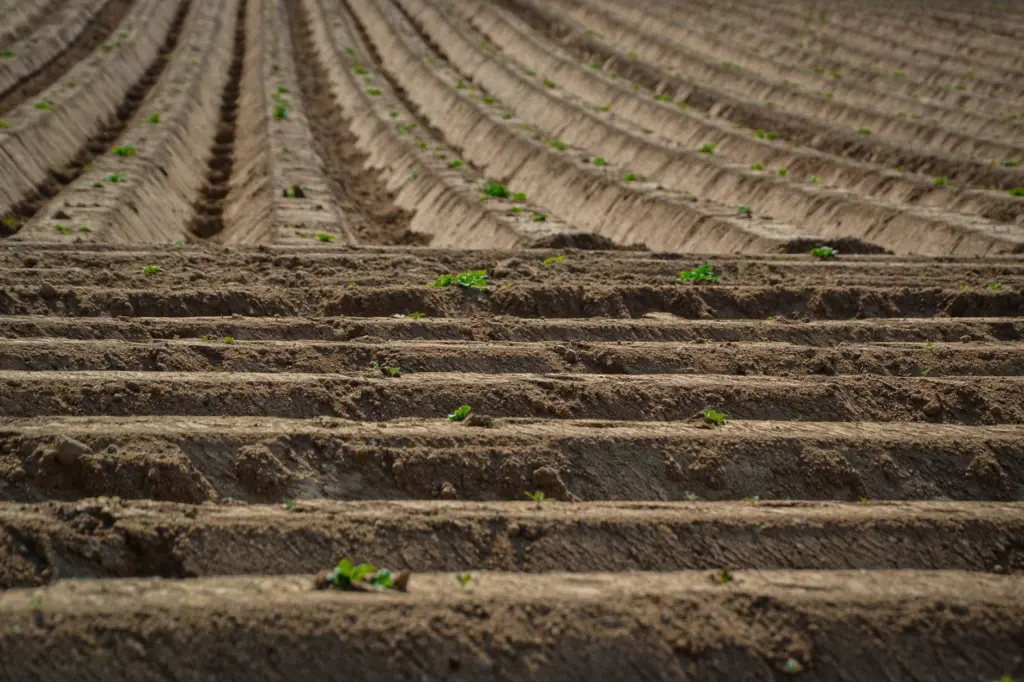
Timing does not end at planting, because hilling is part of the same schedule. The Almanac says to draw up soil with a hoe every time the stems reach around 6 to 8 inches (15 to 20 cm). A Way to Garden places the first hilling a little later, when the vines reach about 8 to 10 inches high, bringing soil up from both sides. It then suggests a shallower second hilling 2 to 3 weeks later, adding 2 to 4 inches of soil.
Hilling matters because exposed potatoes get sunburned. According to the Almanac, that can turn them green and produce a bitter, toxic chemical. Treat the 6 to 8 inch figure as the signal to start. If growth is vigorous, the later guidance gives you room to build the ridge in two lighter passes.
Planning the rest of the season
With the potato window settled, container growers filling out a patio may also want How To Grow Succulents: Easy Steps To Thriving Plants In 2026 for a very different kind of container plant. Gardeners shaping borders around the vegetable beds can use Shade-Savvy Perennials That Bloom All Summer: 2026 Guide To Bright, Low-Light Borders for the shadier corners. More topics are collected in our Plants & Gardening category.
Frequently asked questions
| Question | Answer |
|---|---|
| Can I plant potatoes from the grocery store? | It is better not to. The Central Texas Gardener warns that grocery potatoes may have been treated with sprouting inhibitors, and NC Extension recommends certified seed potatoes. |
| How long until harvest after an early planting? | In a mild-winter climate such as Pender County, NC, potatoes planted in February will be ready to harvest in May and June. Colder regions plant later and harvest later. |
| What if spring is late and wet? | Wait. The Almanac says a late, wet spring allows later planting, through April or even June, especially in containers. |
| Is a late frost a disaster for planted potatoes? | Not if it is light. Seed Savers Exchange says potatoes tolerate a light frost, but advises protecting the plants from a hard late freeze. |