| Decision | What is supported | Planning use |
|---|---|---|
| Season | Active growing seasons, spring to summer | Plan the cut for spring or summer, when the plant is growing actively. |
| Stem choice | Only stems with nodes can be propagated; nodes are where new roots form | Find a node before cutting. A leaf without a node cannot be propagated. |
| Cut position | Directly underneath the node and the aerial root | Keep the node and aerial root on the cutting side of the blade. |
| Water rooting | Node submerged, leaf not; water changed every few days | Use a clear vessel and set a regular reminder to refresh the water. |
| Rooting timeline | Roots start after at least 6 weeks; some cuttings stay in water a few months | Judge by root growth, not by the calendar, before giving up on a cutting. |
| Move to soil | Roots a few inches long; quick-draining mix | Wait for visible root length, then pot into a mix that drains fast. |
| Light | Bright, indirect light; a guide cites 10-12 hours of indirect sunlight daily | Pick a bright spot out of harsh direct sun. |
These figures draw on a houseplant propagation guide and a grower’s propagation walkthrough.
The short answer on how to propagate monstera deliciosa: cut below a node in spring or summer, root the stem cutting in water or quick-draining soil, and allow weeks, not days, for roots to appear.
Propagation is one of the cheapest ways to get more houseplants, and it suits anyone working through gardening for beginners. The choices below are the ones that decide whether a cutting roots or rots: which stem, where to cut, which rooting medium, and how long to wait.
Choosing the stem and the cut
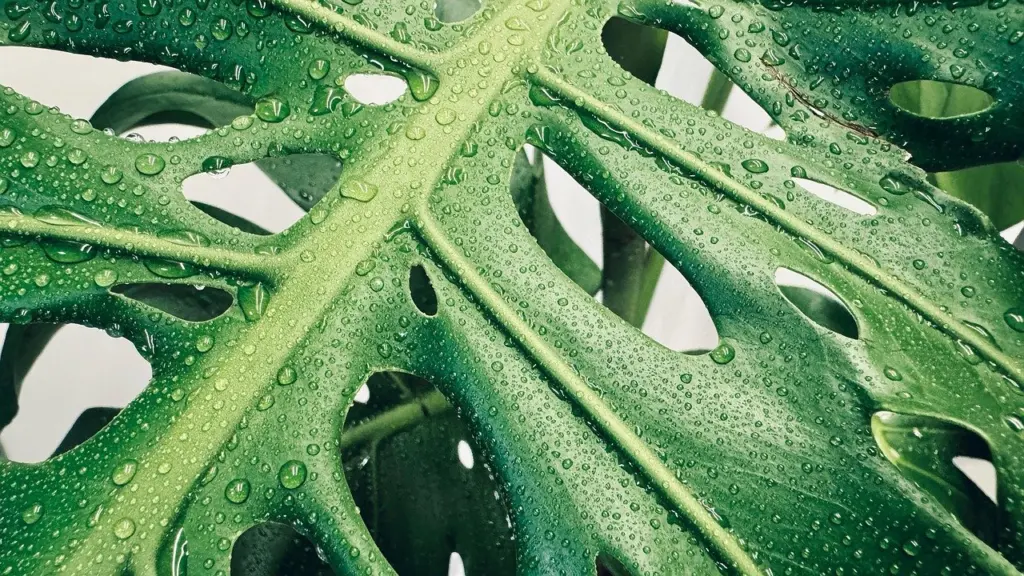
Monstera deliciosa is known for large, glossy leaves with natural holes, and one propagation guide describes monstera of all varieties as almost one of the easiest plants to propagate. That reputation holds only when the cutting carries the right part of the plant.
Nodes decide whether a cutting works
Only stems with nodes can be propagated, because nodes are where new roots form. The practical consequence is that a handsome leaf with no node attached will not become a plant, however healthy it looks. Decide on a stem first, find the node on it, and only then choose the leaf you want above it.
Where the blade goes
The cut belongs directly underneath the node and the aerial root, the brown stretch on the stem. Cutting there leaves the node and root on the cutting, and the parent plant keeps a clean stem below. Measure by those two landmarks rather than by leaf position.
Water or soil: picking a rooting route
Both routes work, and the better choice depends on how much attention you can give the cutting in the first weeks. The guide cited above calls propagating monstera in water pretty easy and straightforward, which makes it the sensible default for a first attempt.
- Water first, then soil. This route suits beginners and anyone who wants to see what is happening. A clear vessel makes it easy to check that the node stays covered. The trade-off is upkeep: the water needs refreshing every few days, otherwise root rot can follow later.
- Straight into soil. This suits growers who would rather skip water changes. The trade-off moves to moisture control. Monstera does not like soggy soil, so a mix that drains quickly matters from the start rather than only after a move from water.
- Long stays in water. One grower’s account describes cuttings living in water for a few months before the move to soil. That is a personal timeline, not a rule. The guidance for the move is root length, and a cutting with roots a few inches long is ready.
Hands-on teaching is available too. The University of Rhode Island’s Master Gardener Program ran a free houseplants and propagation workshop covering key terms, methods and best practices, along with how to make and nurture successful cuttings and the potting steps that follow. A local extension or Master Gardener class is a good way to practise the cut before trying it on a prized plant.
When to propagate and how long to wait
The best season is the plant’s active growing period, which runs from spring to summer. If a cutting is not urgent, wait for those months. Local climate shifts when the growing season begins, and an explainer on what are plant hardiness zones helps you read your own calendar. Matching a task to its growing window is the same logic behind When To Plant Tomato Plants: The Simple Timing Guide To Maximize Yield In Any Zone (2026).
Rooting is slow. A propagation guide says cuttings in water will start to root within a few months, at least 6 weeks. The implication is that a cutting with no roots after a short wait is not necessarily failing. Keep the water fresh, keep the node covered, and judge by what you see in the vessel. Tossing the cutting early is the more common mistake than waiting too long.
Step-by-step: from cut to rooted cutting
The sequence is short, and each step protects the node. Use a clean tool and work quickly, because the stem sits exposed between the cut and the vessel.
- Select the stem. Find a stem with a node and note where the aerial root sits.
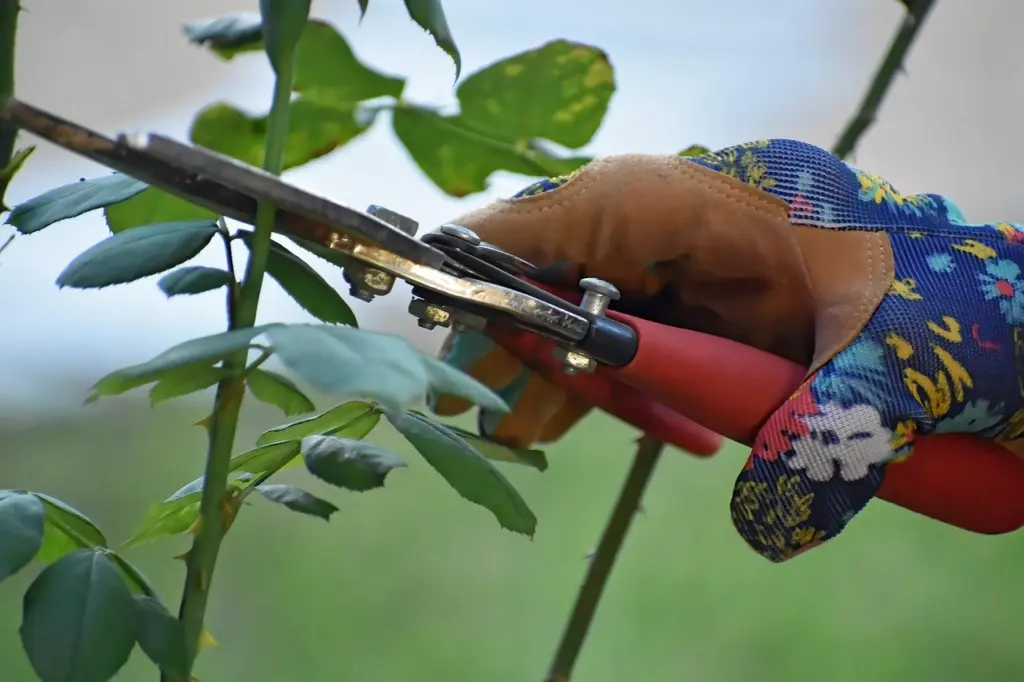
- Cut. Use sharp, sterilized scissors, pruning shears or clippers. A very sharp and clean blade or knife is the standard. Cut directly underneath the node and aerial root.
- Let it callous. Leave the cut to dry out for a few minutes before it goes into water.
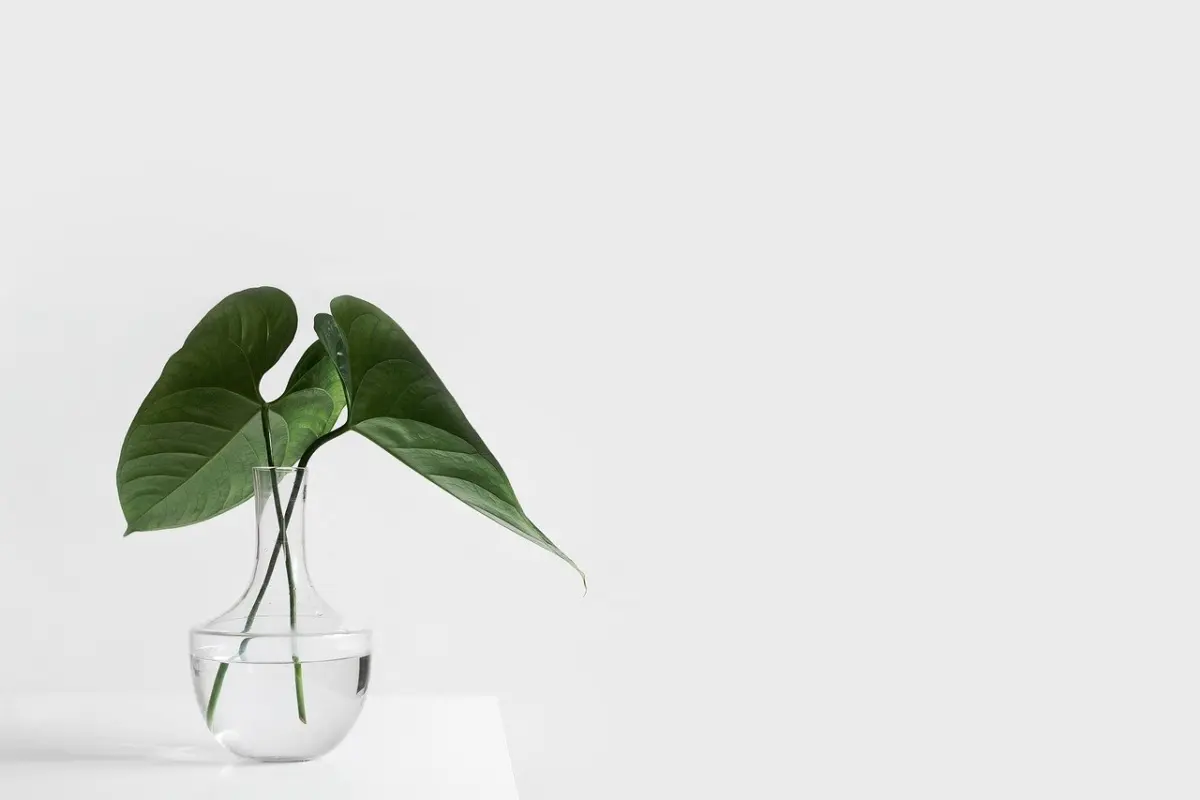
- Set the water. Place the cutting in a clear glass vase with at least enough water to submerge the first node. Keep the leaf out of the water.
- Place and maintain. Set the vessel in bright, indirect light and refresh the water every few days.
- Watch the roots. Let them grow until they are a few inches long, then move the cutting to soil.
Potting the rooted cutting and early care
Moving from water to soil changes the plant’s conditions, so the mix is the main decision. Because monstera dislikes soggy soil, a grower recommends a quick-draining soil. Two suggested mixes are 1 part potting soil to 1 part orchid bark, or 3 parts potting soil to 1 part perlite. The orchid bark blend suits growers who want the more open texture; the perlite blend suits those who prefer a mix closer to ordinary potting soil.
After potting, light is the next lever. Monstera prefers bright and indirect sunlight, and the same guide cites 10-12 hours of indirect sunlight daily as the benchmark. Treat that as a goal for a well-lit room, not a reason to move the pot into direct sun. A bright spot back from the window, rather than on the sill, is the safer starting position.
Frequently asked questions
Do I need to remove the aerial root from a cutting?
No. Some people cut off the aerial root attached to the stem and some keep it, and either way does no harm to propagating a monstera plant.
Is rooting hormone necessary?
It is optional. Some growers add rooting hormone to stimulate root growth in monstera cuttings, but it is a choice rather than a requirement for water propagation.
Can I root a cutting in a south-facing window?
Direct light there is a risk. Sunlight from south-facing windows can be too strong for monstera leaves and can even cause sunburn, so bright, indirect light is the better setting.
Is monstera hard to propagate?
No. Monstera of all varieties is described as almost one of the easiest plants to propagate, provided the stem has a node.