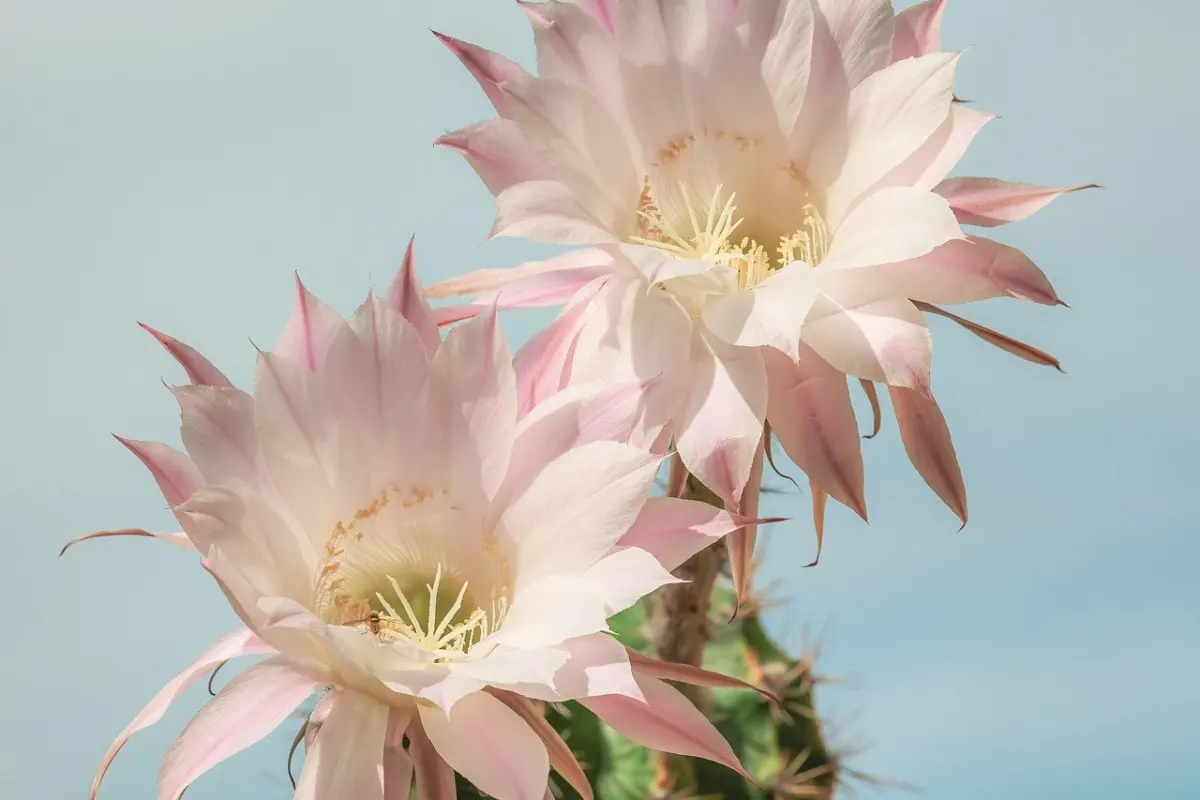
A Christmas cactus that stays green through December usually lacks an autumn rest, not extra feeding. Here is how to grow Christmas cactus for flowers: give it cooler temperatures, long dark nights and less water before buds form.
The routine below is built around that rest, with potting, watering and cuttings covered after it. If you are new to houseplants, our wider guide to gardening for beginners covers the fundamentals.
Misconceptions that stop a Christmas cactus flowering
Most flowering failures come from treating the plant like an ordinary tropical houseplant that wants the same warmth, water and light all year. The RHS describes it as a tender tropical plant that prefers a pleasantly warm 18–20°C (65–69°F). To ensure flowering, though, it also needs two rest periods per year, each a month or two of cooler temperatures and less watering. The table contrasts the usual assumptions with what the evidence supports.
| Common belief | What the evidence supports | Planning use |
|---|---|---|
| Keep it warm all year | Growing and flowering suit 18–20°C (65–69°F), but two rest periods at 12–15°C (55–59°F) are needed to ensure flowering | Schedule two cool spells rather than aiming for steady warmth |
| Water on a fixed routine | Water regularly from April to September; during the rest periods let the top few centimetres of compost dry between waterings | Tie watering to the season, not the calendar week |
| Light hours do not matter in autumn | Bud setting calls for 12 to 14 hours of darkness a day | Move the plant out of lamplight once autumn starts |
| Feed it all year to get more flowers | Liquid houseplant feed is recommended from April to the end of September | Treat feeding as a spring-to-summer job |
Figures are from the RHS Christmas cactus growing guide and Garden Design’s care profile.
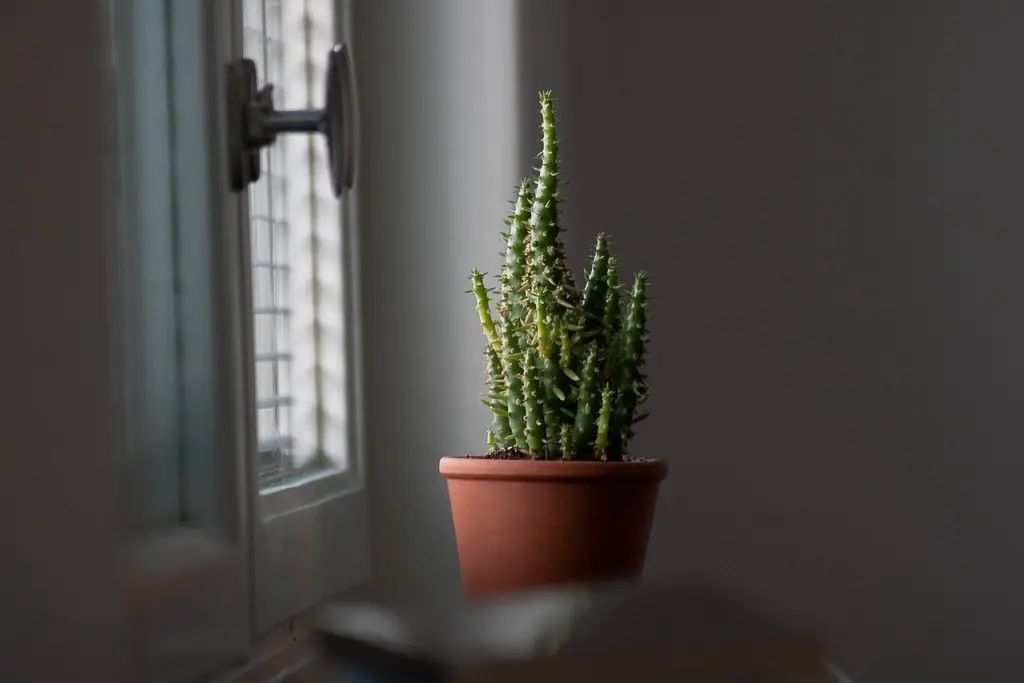
Bloom timing through autumn
Flowering depends on the bloom cycle: cool temperatures, long nights and less water arriving together in autumn. Getting those three to overlap is the main skill in growing a Christmas cactus.
Cool nights from mid-September
The RHS places the cool autumn rest from mid-September until buds start to appear, at 12–15°C (55–59°F). Other growers’ figures sit close to this. One guide asks for about 50 to 55 F at all times during bud setting, and another suggests night temperatures of 55–65°F. A cool spare room, porch or unheated hall that stays in that band suits the plant better than a living room kept at normal heating temperature.
Uninterrupted darkness
Christmas cacti are short-day plants, which means they need evenings of complete darkness in late summer and fall. Garden Design puts the target at 12 to 14 hours of darkness a day. Another guide advises no more than 10 or 11 hours of light a day in October and November for more blooms. Because the darkness has to be complete, a plant beside a hallway light or a lamp used in the evening is the usual reason a healthy plant never sets buds. Choose a spot no evening light reaches, or cover the plant with an opaque cloth for the dark hours.
Less water while buds form
The rest period includes drier compost as well as cooler air. Planet Natural advises withholding water from October for maximum blooming, and the RHS says compost should dry in its top few centimetres between waterings without drying out entirely. Read together, that means cutting back to a sparing routine in autumn, not stopping completely.
How long to keep the routine going
Garden Design says to continue the light and temperature control for at least 6 to 8 weeks or until buds form. Once buds are visible, the cool rest has done its job, and you can return the plant to its usual spot and warmth.
Light, temperature and humidity
Christmas cactus does best in indirect or filtered light, and the RHS says an east-facing windowsill is usually ideal. That gives gentle morning light without the harshest afternoon sun. In spring and summer, keep the plant in a pleasantly warm room where it can grow, then move it to its cooler, darker autumn spot when the rest begins.
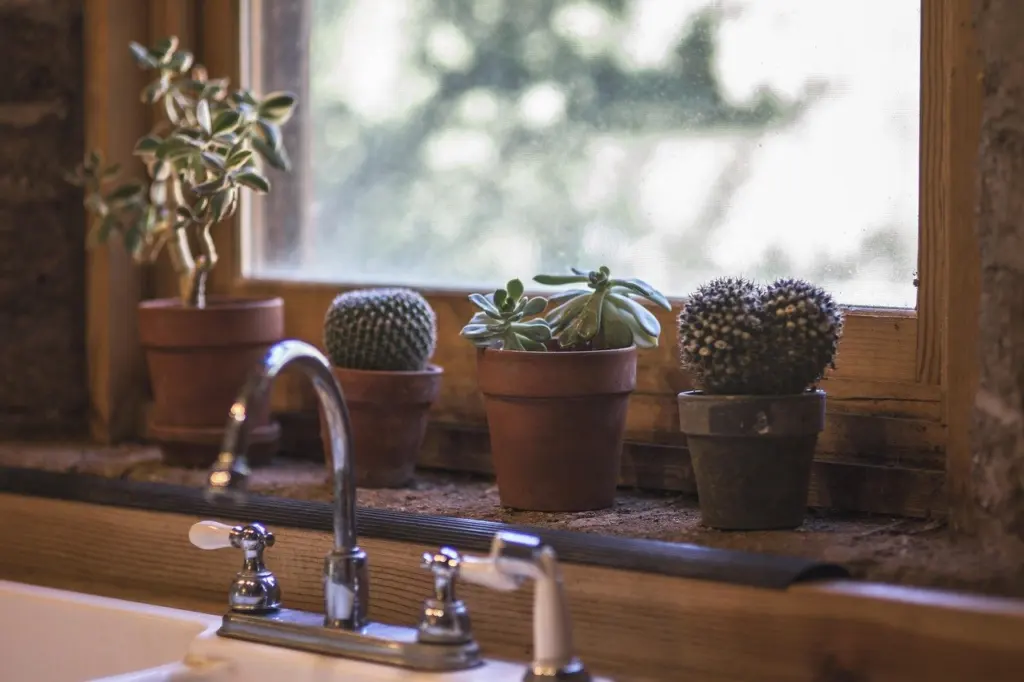
For humidity, stand the pot on a tray of moist pebbles or run a humidifier nearby. A pebble tray is the simpler option for a single plant. A humidifier makes more sense if you are looking after several houseplants in the same room.
Potting mix and repotting
A free-draining potting mix matters because overwatering is the main risk to this plant. Garden Design recommends a good quality cactus mix with plenty of perlite. The RHS suggests a peat-free loam-based compost, such as peat-free John Innes compost, with added leafmould and grit. Choose the cactus mix for convenience, or the loam-based blend if you prefer to avoid peat and want some body in the compost.
Watering and feeding schedule
Watering should follow the plant’s season. The schedule below keeps it simple.
- Growing season: the RHS says to water regularly from April to September.
- The finger test: check the compost before watering. Guides vary on depth: the top inch in one, the top one to two inches in another. A stricter guide says to let the soil dry at least half-way down, which is a safer habit if you tend to overwater.
- Rest periods: let the top few centimetres dry between waterings, but never let the compost dry out entirely.
- Feeding: apply a liquid houseplant feed from April to the end of September to boost growth.
- The main risk: Garden Design notes that overwatering can cause stem and root rot, as well as bud or flower drop. If buds fall, check watering first.
Propagating from stem cuttings
Propagation is the easiest way to get more plants, and flowering time is a convenient moment to take cuttings. Planet Natural suggests taking them after the plant has bloomed. The steps are:
- Take the cutting. Break off three or four segments of the stem. Another guide describes choosing a healthy piece about 3 to 4 inches long.
- Let the end dry. Leave the pieces for a few days so the cut ends callus over.
- Pot them up. Use the same gritty, free-draining mix described above and keep watering sparing so the cut ends are not sitting in wet compost.
If you enjoy starting plants from pieces, How To Grow An Avocado From A Pit: A Simple Step‑By‑Step Guide For 2026 shows a different route to a new houseplant.
Planning the rest of the garden year
A Christmas cactus asks for attention mainly in late summer and autumn, so spring and summer leave room for other projects. For a summer-flowering contrast, How to Grow Zinnias: Easy Steps For Big Blooms All Summer (2026) is a good next read.
Frequently asked questions
| Question | Answer |
|---|---|
| How long after buds form will a Christmas cactus flower? | It can take up to 12 weeks to bloom once the buds have formed. |
| How often should I repot it? | The RHS says to repot every year or two, once the roots have filled the pot. |
| Can it sit in a cold room during its rest? | The rest should be cooler, not cold. The RHS says to keep these tender tropical plants above 10°C (50°F). |