The annuals vs perennials choice is easiest for beginners when they mix both: annuals for color this season, perennials for plants that return year after year. Your hardiness zone and the upkeep time you have settle the balance.
Picture a bare bed in spring and a modest budget. Fill it entirely with annuals and it looks full almost at once, but it needs replanting next year. Fill it entirely with perennials and it improves over time, but color can be patchy while the plants settle in and bloom in turns.
The sections below set out the criteria, a side-by-side table and a decision table for blending lifecycles. For wider background, see our guide to gardening for beginners.
Decision criteria before you buy
Four practical criteria separate the lifecycles: climate, cost over time, upkeep and color timing. Weigh them in that order, because climate can override the other three.
Climate and hardiness zone
A plant’s lifecycle label depends partly on where you garden. Scotts notes that some plants are only perennial in certain zones and may be planted as annuals in other zones, so check your USDA hardiness zone before treating any plant as permanent. Garden Design adds that tender perennials are winter hardy in warmer growing zones but are typically grown as annuals in northern gardens.
Cost over time
Annuals are the cheaper purchase on the day, but Bath Garden Center points out that yearly replanting can lead to higher overall costs over time. Perennials tend to cost more initially, yet Garden Design calls them a good long-term investment because they return year after year. If you plan to keep the same bed for several seasons, that favors perennials. If you move often or redesign every year, annuals lose little.
Upkeep and water
Neither type is effortless. Perennials, according to Scotts, require more maintenance, though they can become stunning features. Many annuals need more frequent watering and fertilizing, per Bath Garden Center, while most perennials need less water once established, per Garden Design. If feeding is new to you, our feeding guide answers what do fertilizer numbers mean on a bag label.
Color timing
Annuals provide nearly instant gratification and mature faster than perennials or biennials. Perennials usually have a shorter flowering season, so the display depends on choosing plants that peak at different times.
Evaluation steps for a new bed
- Confirm your zone. Look up your hardiness zone and check each plant tag. A plant that is perennial in a warm zone may only last a season where winters are harsh.
- Set the backbone. Choose a few perennials that suit your conditions to anchor the bed for years.
- Fill the gaps. Add annuals around the perennials for color while the perennials are not in bloom.
- Plan the upkeep. Decide how often you can water and feed, and scale the number of annuals to match.
- Adjust each season. Replace what did not perform and keep what did.
Lifecycle comparison at a glance
Annuals, perennials and biennials differ mainly in how long they live and when they flower. Use the table to match each lifecycle to a job in your bed.
| Criterion | Annuals | Perennials | Biennials | Planning use |
|---|---|---|---|---|
| Life cycle | Complete it in one growing season | Live three years or longer; some last only three to five years | Take two years to complete their growth cycle before dying | Expect to replace annuals and some short-lived perennials; plan biennials as a rolling crop. |
| Bloom pattern | Often bloom from planting time until frost | Usually bloom for only one season each year (spring, summer or fall) | Usually do not bloom until their second year | Use annuals for continuous color and stagger perennials by bloom season. |
| Return next year | Not back next year, although some readily self-sow and return | Come back year after year | Some behave like short-lived perennials | Budget for yearly replanting of annuals; treat perennials as a lasting investment. |
| Color emphasis | Provide the most color | Require more maintenance but can become stunning features | Flowers arrive in the second year | Put annuals where color matters most; give perennials a spot you will tend. |
Figures and descriptions come from Garden Design and Scotts.
Annuals: fast color that needs replanting
Annuals complete their life cycle in one growing season, so they suit anyone who wants a full, bright bed right away. Popular annual flowers include petunias, marigolds, zinnias and impatiens, according to Scotts. Bath Garden Center describes marigolds as vibrant annuals known for bright orange, yellow and red blooms, which makes them a dependable first choice for sunny color.
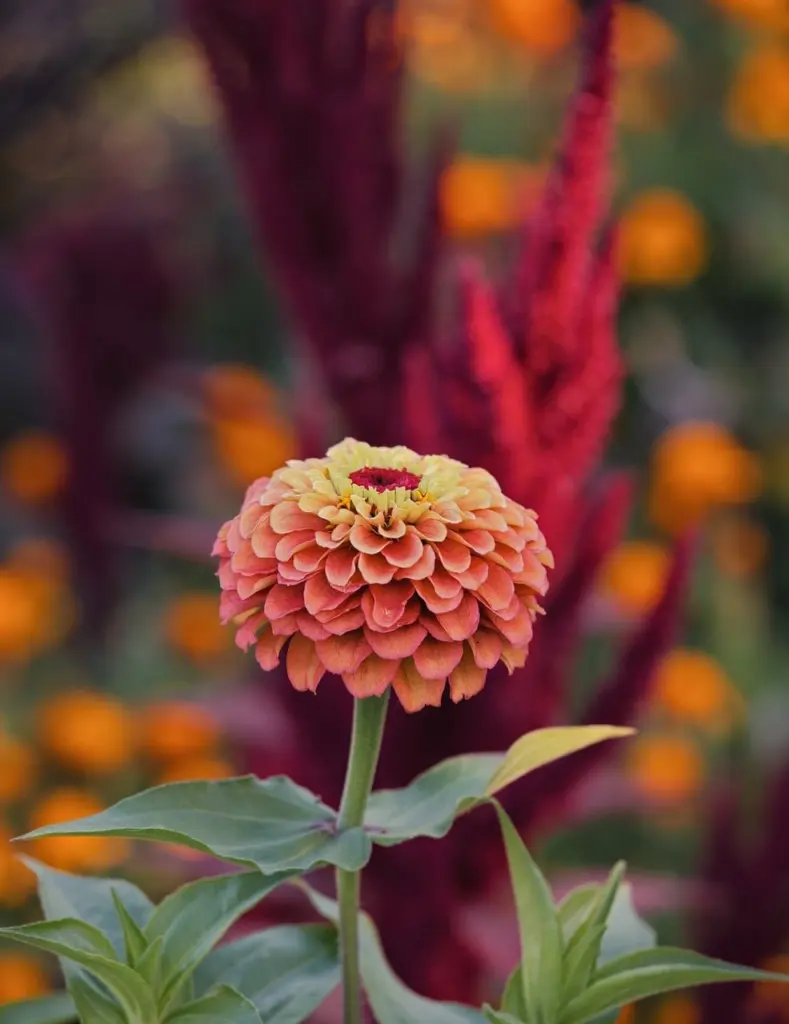
The trade-off is permanence. Annuals are short-lived and will not be back next year, though Garden Design notes that some will readily self-sow and return for an encore. Because many annuals bloom until frost, a cold snap is the main threat to the display; our guide on how to protect plants from frost helps you keep tender plants going later in the season.
Perennials: plants that build a lasting bed
Perennials live three years or longer, per Garden Design, and suit gardeners who want a bed that matures rather than restarts. Lifespans vary widely: Garden Design says some live only three to five years, while Willow Ridge Garden Center lists a range of 3 to 10+ years, sometimes decades. Treat a plant tag’s lifespan as a guide and expect to divide or replace short-lived types.
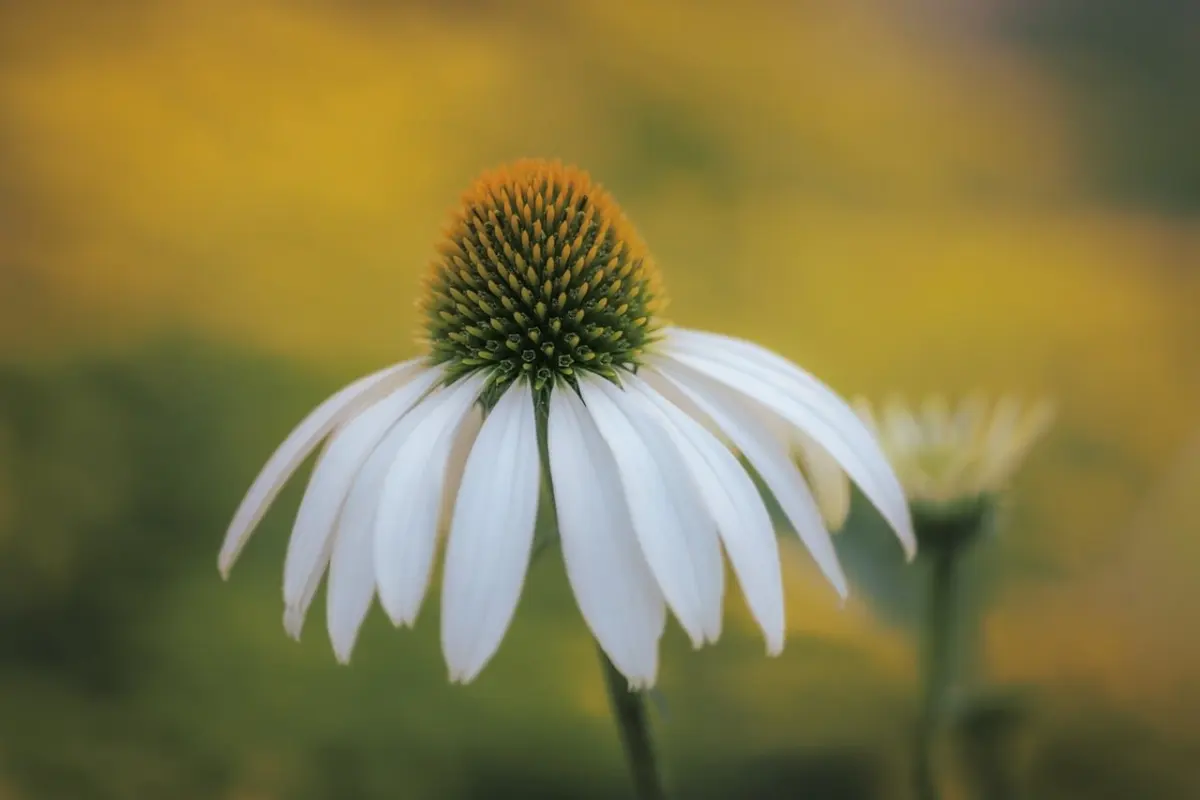
Coneflower (Echinacea) appears on Gecko Green’s list of perennials alongside daylilies, black-eyed Susans, salvia and lantana. Scotts suggests black-eyed Susan and purple coneflower for dramatic late-season color, which is useful when earlier perennials have finished.
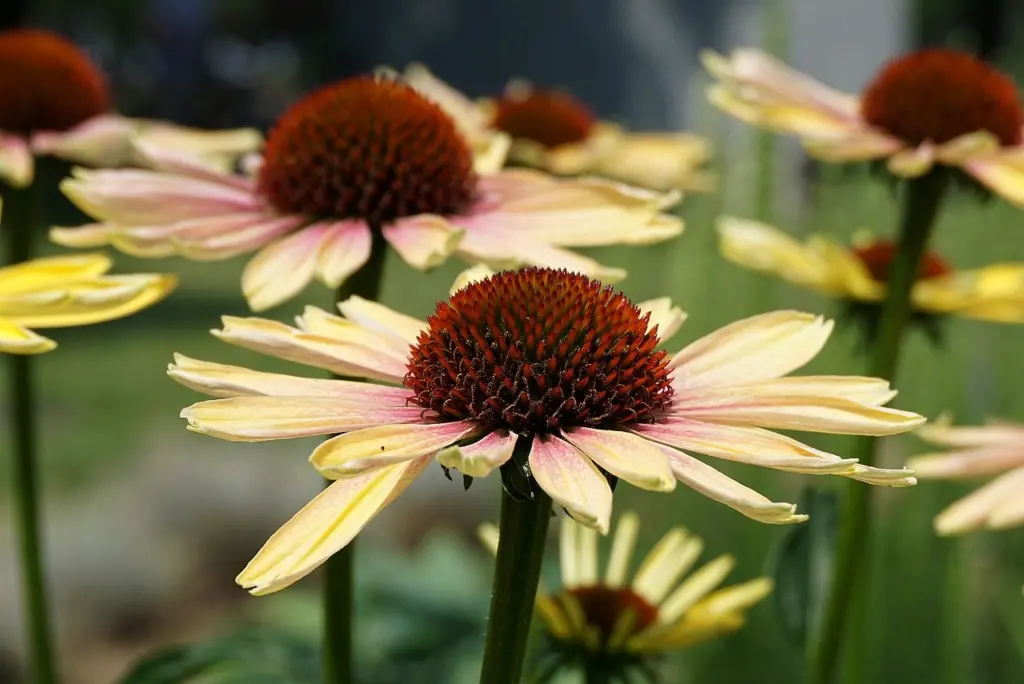
Since the perennial flowering season is usually shorter, Scotts advises planting different varieties so something is always in bloom. That planning is the extra work perennials ask of a beginner, and it is the reason to pair them with annuals.
Biennials: the in-between lifecycle
A biennial plant takes two years to complete its growth cycle before dying. Garden Design says biennials usually do not bloom until their second year, although some behave like short-lived perennials. For a beginner, this means a biennial planted this year may give no flowers until next year, so it is a poor choice if you want color now. It suits a patient gardener who is happy to wait for a display and to keep plants coming along in overlapping years.
Mixing lifecycles for continuous color
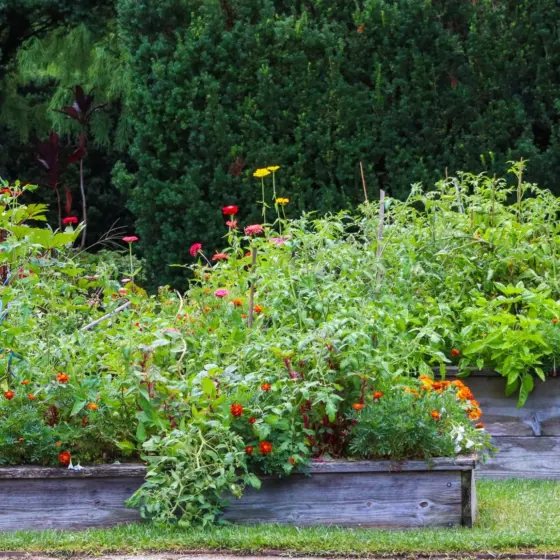
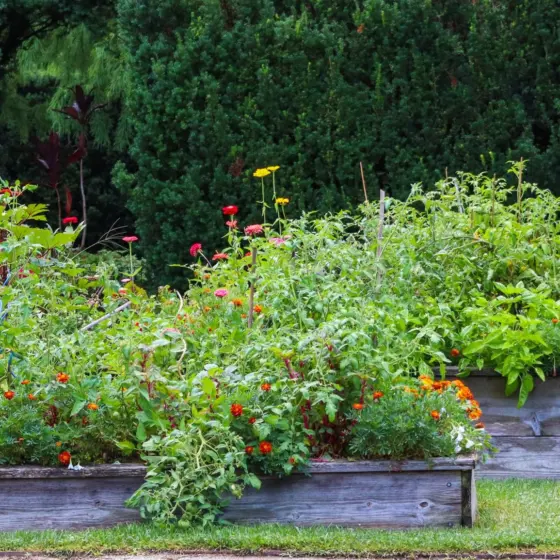
Scotts states that annuals and perennials can be combined in your planting design to reap the best of both. A beginner’s practical starting point is a few perennials plus annuals in the gaps. Match your main goal to the lifecycle below.
| Your goal | Lean toward | Why |
|---|---|---|
| Color this season | Annuals | They provide nearly instant gratification and often bloom from planting time until frost. |
| Lower cost over several seasons | Perennials | They tend to cost more initially but return year after year. |
| Color through the whole season | A mix, with varied perennial bloom times | Perennial seasons are usually shorter, so annuals and different varieties fill the gaps. |
| Cold-winter garden | Annuals, or tender perennials treated as annuals | Tender perennials are typically grown as annuals in northern gardens. |
| Limited time for upkeep | Fewer, well-chosen perennials | Perennials require more maintenance than annuals in Scotts’ view, so do not overplant. |
The guidance in this table draws on Garden Design and Scotts.
Which to plant first as a beginner
Start with a small group of perennials suited to your zone, then add annuals for immediate color. This sequence keeps early costs manageable, gives you a bed that survives into next year, and lets you learn what thrives before you commit more space. Choose mostly annuals instead if you rent, expect to redesign soon, or want to test colors with little commitment.
Frequently asked questions
| Question | Answer |
|---|---|
| Do annuals ever come back? | Annuals as a group are short-lived and will not return, but some readily self-sow and return for an encore. Zinnias and marigolds are both annual flowers, so plan to replant them unless they reseed. |
| Can a plant be annual in one garden and perennial in another? | Yes. Some plants are only perennial in certain zones and may be planted as annuals in other zones, so your USDA hardiness zone decides how to treat them. |
| How long do perennials last? | Garden Design describes perennials as living three years or longer, and some live only three to five years. Willow Ridge Garden Center lists 3 to 10+ years, sometimes decades. |
| Are perennials harder to look after than annuals? | They can be. Scotts says perennials require more maintenance, while Bath Garden Center notes that many annuals need more frequent watering and fertilizing. The right balance depends on the plants you choose. |