Perennials for shade that bloom all summer work best as a relay: astilbe carries early to mid summer, and bugbane continues from late summer into fall. Keep the soil consistently moist and check each plant tag for shade tolerance.
Choosing by bloom window, rather than by foliage alone, is the main decision in a shade border. It builds on the wider basics in our guide to gardening for beginners.
Why one plant rarely covers the whole summer
Each perennial flowers within its own window. A shade border that looks full from early summer into fall is therefore built from overlapping plants, not from one reliable bloomer. A plant supplier’s tall shade perennial guide shows the pattern. Astilbe blooms early to mid summer, while bugbane blooms late summer to fall. Planted together, the two close the gap between them.
The University of Missouri’s MU IPM Program, sponsored by USDA, also describes astilbe’s feather-like flowers as appearing in summer. That gives the planning rule used throughout this guide. Choose by bloom window first, then check that moisture and light suit the bed. A plant with the right color but the wrong window leaves a hole in the border at the point when you most want flowers.
Shade levels and plant labels
Shade is not one condition, and plant sellers treat it that way. Shade perennial collections at a bulb retailer are filtered by labels such as Half Sun / Half Shade and Full Shade, with Full Sun as a separate label. Treat those labels as the working definitions when you shop.
- Half sun / half shade: suits a border that receives some direct light and some shelter. A plant labeled for this category is not automatically a full shade plant.
- Full shade: suits the darkest beds. Choose from this label only where the bed really stays dark.
- Full sun: signals a plant that wants more light than a shade border offers, so skip it for this planting.
If a bed falls between two labels, favour plants whose tags cover both. Do not choose a plant for its looks and hope the light will adapt to it.
Plants that carry summer color in shade
Astilbe and bugbane give the clearest bloom windows. Hosta, hellebore and bleeding heart anchor the border, and their bloom times are best confirmed on the tag at purchase.
| Plant | Bloom season | Height | Zone | Planning use |
|---|---|---|---|---|
| Astilbe | Early to mid summer | 18-48 in | 3-9, by variety | Mid-border plumes; confirm shade tolerance on the tag |
| Bugbane | Late summer to fall | 36-60 in | Check the tag | Back-of-border plant that carries color after astilbe |
| Hosta | Check the tag | Varies by variety | Check the tag | Listed among shade perennials; use as the leafy base of the bed |
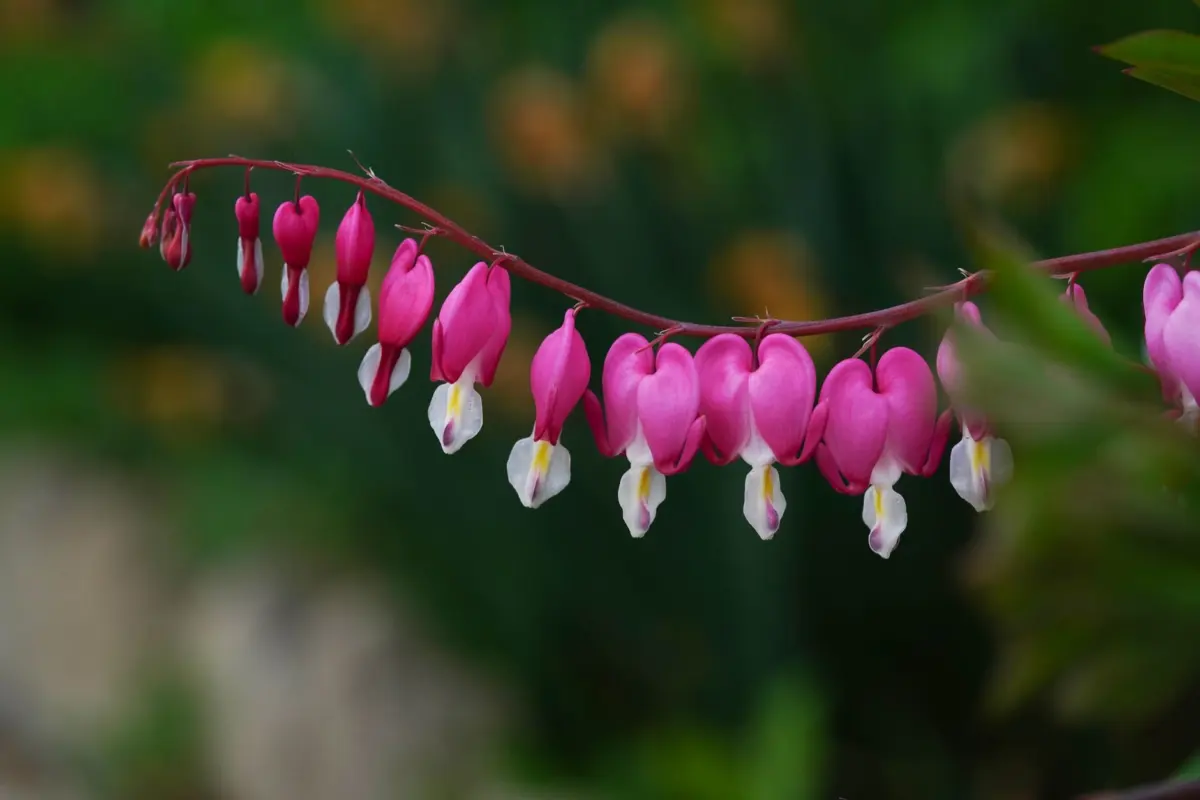
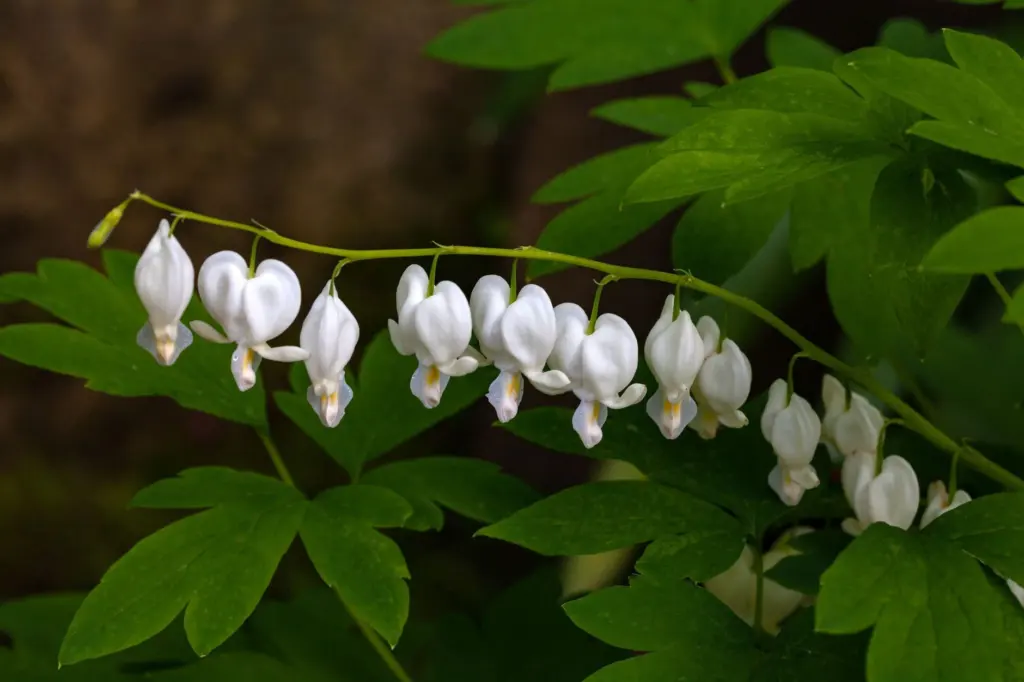
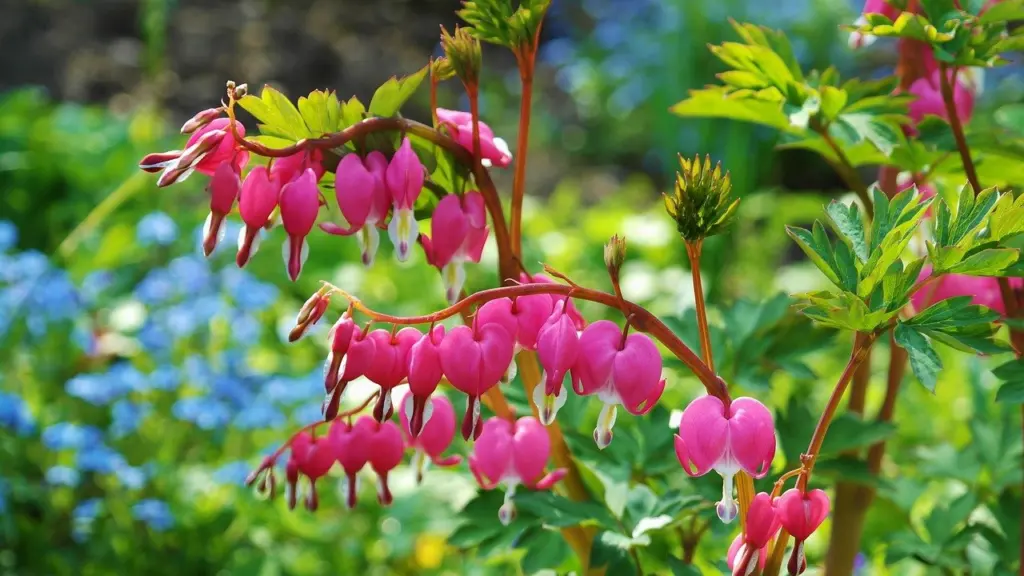
| Bleeding heart (Dicentra) | Check the tag | Varies by variety | Check the tag | Listed among shade perennials; use for arching, hanging blooms |
Bloom windows, heights and zones come from a plant supplier’s tall shade perennial guide. The shade-category listings for hosta and bleeding heart come from a bulb retailer’s shade perennial collection.
Astilbe
Astilbe is the most dependable choice for summer plumes. The MU IPM Program notes that its feather-like flowers appear in summer and that mature height varies from 1 to 4 feet. Flower color depends on the species and runs through white, pink, lavender and red. Astilbe wants consistently moist soil. It suits a mid-border position in a bed that stays damp, and it is a poorer choice where the ground dries out quickly.
Bugbane
Bugbane blooms from late summer to fall and is tall, at 36-60 in. Place it behind the astilbe. When the plumes fade, the border keeps its height and still has flowers to show. Without a late bloomer like this, a shade bed often looks finished while summer is still running.
Hosta, hellebore and bleeding heart
These three give the border its structure. Hostas appear among the shade perennials offered by plant sellers, and bleeding heart (Dicentra) is listed in the same category. Because their bloom times vary by variety, read the tag before counting on them for a particular month. A designer’s shade-planting notes at Enchanted Gardens recommend large-leaved hostas and hellebores for contrasting leaf shapes. That makes them most useful as the foundation around the more seasonal flowers, not as the main source of color.
Care stages that keep shade perennials blooming
Bloom in shade depends mostly on moisture, because the plants that flower best there are moisture lovers. Work through these stages in order.
- Match plants to the soil you have. Astilbe and similar tall shade perennials generally need consistently moist soil. Put them where the ground holds water, not on a dry rise.
- Group plants with similar needs. Keep the moisture-hungry plants together so a single watering routine suits the whole group. This also saves you from over-watering a plant that does not need it.
- Mulch the bed. The supplier guide describes a good mulch covering as important for these perennials. Mulching is a sensible first step after planting.
- Water regularly. The same guide pairs mulch with regular watering. Shade does not remove the need for water, and a moisture-loving plant that dries out is the one most likely to skip its bloom.
- Read the tag before buying. Shade tolerance and bloom time vary by variety, so the tag tells you more than the plant’s common name does.
None of these stages needs special equipment. They do need to be repeated through the season, since a border that was watered well in spring can still run short by late summer.
Pairings and border design
The strongest shade borders combine a bloom sequence with contrasting foliage. Hostas and hellebores pair well with liriope, and the contrast in leaf shape holds the bed together between flowering peaks. Astilbe slots into the middle of that planting for early to mid summer. Bugbane stands behind it for the late-season finish.
Arching plants like bleeding heart add a different line to a border of upright plumes and broad leaves. They look best against a backdrop of foliage, which lets the hanging flowers stand out.
Related planning for the sunnier beds
Most gardens pair a shade border with sunnier beds, and the planning questions differ there. For a vegetable bed, the timing guide When Is The Best Time To Plant Potatoes? A Practical Guide For Every Climate (2026) covers one crop, and Companion Planting For Tomatoes: 12 Best Picks, What To Avoid, And How To Plan In 2026 covers pairings for another. More plant guides sit in the Plants & Gardening category.
Frequently asked questions
Is every astilbe suited to shade?
No. Some astilbe require sun, so check the plant tag for shade tolerance before buying.
Do bright flowers matter in a shady border?
Yes. Gardeners’ World advises that plants with bright flowers are ideal in shade because they are more visible than dark blooms.
How should I read astilbe zone and height ranges?
They describe the whole group, not one plant. Astilbe varies by variety in hardiness zone and in height, from dwarf to tall forms, so the zone and size on your chosen variety’s tag are what count.