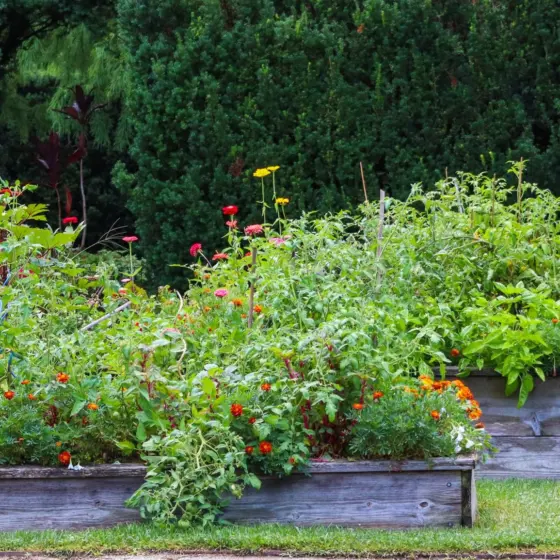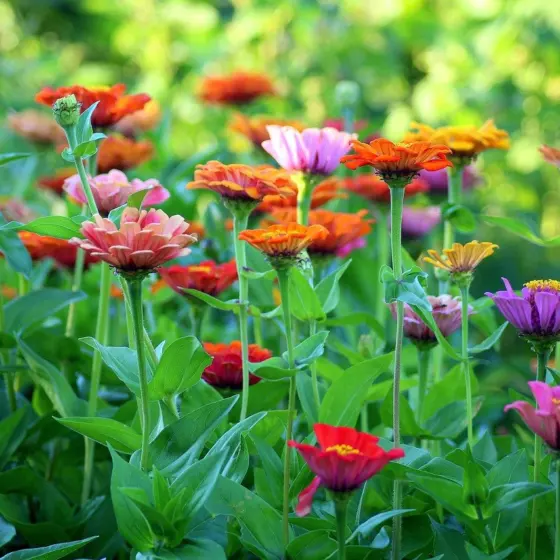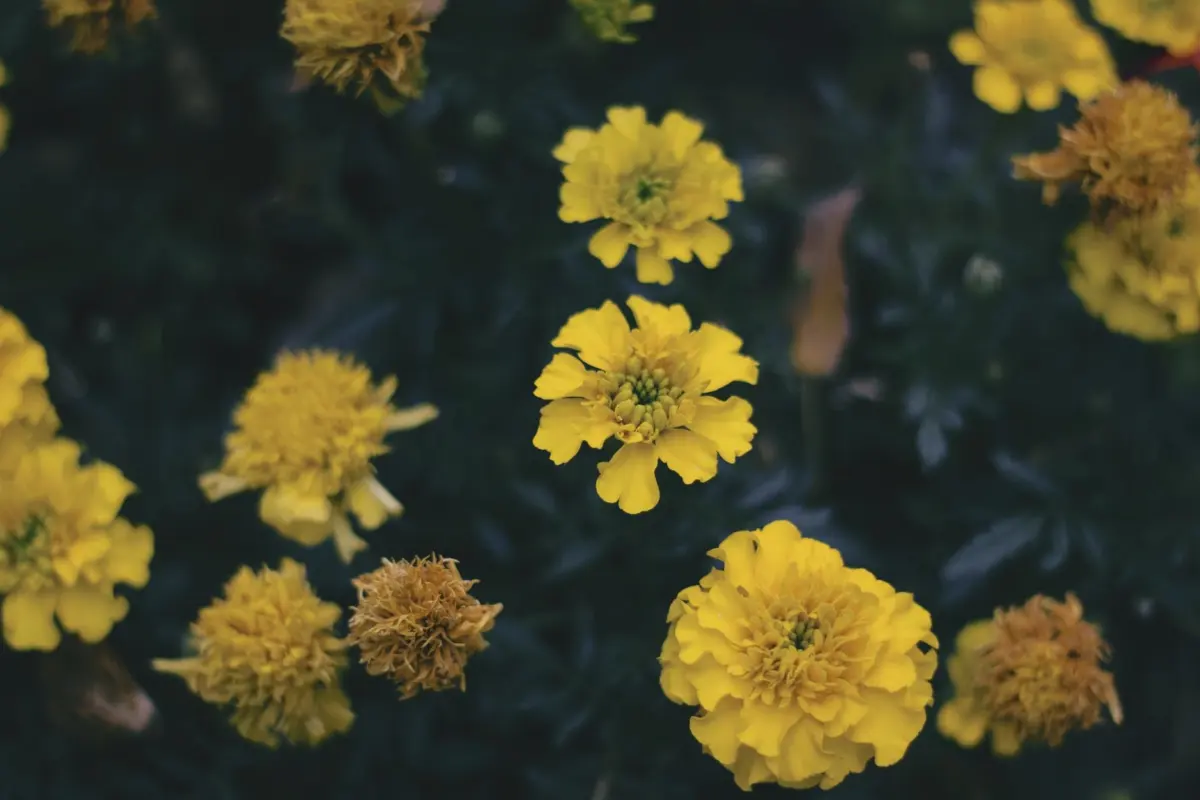
Basil, marigolds and garlic make sensible companion plants for tomatoes, while fennel, potatoes, corn and brassicas belong in another bed. Most benefits come from gardener and seed-company reports rather than tests, so treat companions as helpers, not guarantees.
Picture a bed with room for tomatoes and a tray of herb and flower seedlings waiting to go in. The question is which ones earn a place beside the tomatoes. The sections below sort the common beliefs from what the guides actually support, and they suit anyone working through gardening for beginners who wants a bed plan before planting day.
What companion planting does and does not deliver
Companion planting is a low-cost way to give a tomato bed extra jobs: pest deterrence, pollinator visits and better soil. It is not a substitute for watching your plants. The Strathfield Garden Association’s guide notes that there is a fairly limited amount of actual scientific information on companion planting, so many claims rest on gardeners’ observations. That is a good reason to plant companions you would enjoy anyway, such as herbs for the kitchen, and to be sceptical of promises of a pest-free bed.
The table sorts four popular beliefs into what is supported and what to do about it.
| Common belief | What is supported | Planning use |
|---|---|---|
| One basil plant per tomato keeps flies away | An Australian gardener reports that repelling flies takes several basil plants per tomato, and a single basil per tomato had no visible effect | Plant basil generously, or grow it mainly for the kitchen rather than as protection |
| Marigolds guarantee a pest-free bed | A seed company says marigolds keep away slugs, non-beneficial nematodes and tomato worm, but this is a reported benefit, not a guarantee | Use them as a bright edging and keep inspecting the tomatoes |
| Dill is always a good neighbour | Mature dill is said to stunt tomato growth, while new dill seedlings are said to help and deter hornworms | Keep dill young and well clear of the tomatoes, or grow it elsewhere |
| Companion planting is settled science | Scientific information is fairly limited | Treat each pairing as a small experiment and note the result |
The basil and evidence points come from the Strathfield Garden Association guide, and the marigold and dill points from a seed company’s tomato companion guide.
Companions with a clear job
The best companions earn their space by doing something specific. Pick plants by the job they are said to do, then judge whether the benefit is worth the room.
Basil beside tomatoes
Basil is the most frequently recommended partner. A seed company guide says it repels hornworms, aphids, spider mites, whiteflies and mosquitoes, and that it attracts bees for pollination. Because a single plant per tomato showed no visible effect for one gardener, basil suits people who want a harvestable herb and a possible pest bonus, not those who want a dependable shield.
Marigolds along the edge
Marigolds are reported to keep away slugs, non-beneficial nematodes and tomato worm. They suit the front or edges of the bed, where their colour is easy to see and they will not crowd the tomato stems. Since the claim is a reported benefit, think of them as an inexpensive extra layer of defence beside good bed hygiene.
Garlic, onions and beans
Garlic is said to repel spider mites, which makes it a useful gap filler among tomatoes. A garden-supply guide adds that the odour of onions deters many garden pests that feed on tomato plants. The same guide says beans release nitrogen back into the soil as they grow, which is useful next to heavy-feeding tomatoes. Choose these if you want companions that also feed you.
Carrots and the timing rule
Carrots are a root crop that breaks up the soil as it grows downward, which is said to improve nutrient and water movement to tomato roots. The garden-supply guide lists carrots among tomato companions, but the seed company guide advises against planting tomato seeds or seedlings near the carrot plot. The safer reading is to use carrots as a predecessor, not a simultaneous neighbour: set tomatoes where carrots grew once the danger of frost has passed in spring.
Plants to keep away from tomatoes
Most problem neighbours are either chemical inhibitors or shared-pest hosts. Keep these out of the tomato bed, and remember that the guides give no minimum distance, so the practical answer is a separate bed.
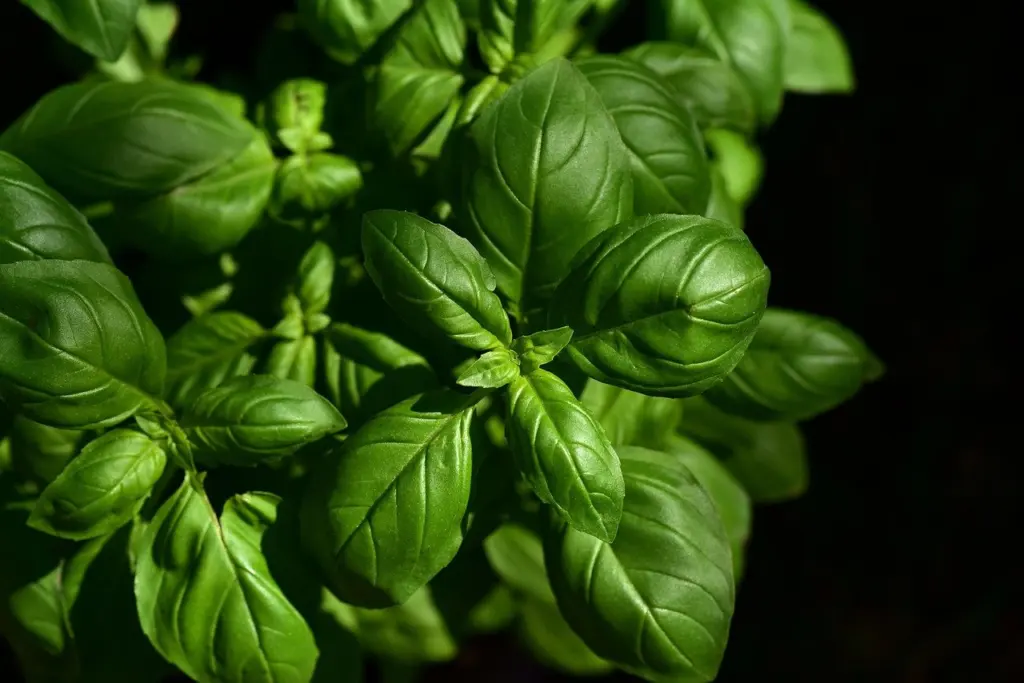
- Fennel: its root system releases a substance that impedes tomato growth, according to the garden-supply guide. The seed company guide says plainly not to plant it near tomatoes, whether as the herb or the vegetable.
- Brassicas: the seed company guide names broccoli, cabbage, cauliflower, kohlrabi, kale and Brussels sprouts, along with fennel, as plants that should not go anywhere near tomatoes.
- Corn: it attracts tomato fruit-worm and corn ear-worm, which attack both crops, so the two should not share a bed.
- Potatoes: they attract blight fungus that can harm tomato roots, so keep the potato plot apart from the tomato plants.
A common mistake is to treat these as a pest-spotting problem you can fix later. Because the harm comes from root chemicals or from pests and fungus that move between crops, separating the plants at planting time is far easier than reacting afterwards.
Spacing, bed layout and rotation
Tomato spacing sets the room left for companions. An Agrio guide recommends planting tomato seedlings about 18 inches to 36 inches apart, with 36 inches ideal for larger varieties. Choose the wider spacing for big plants if you want to tuck companions into the gaps, and the narrower end for compact types where companions go at the bed edge.
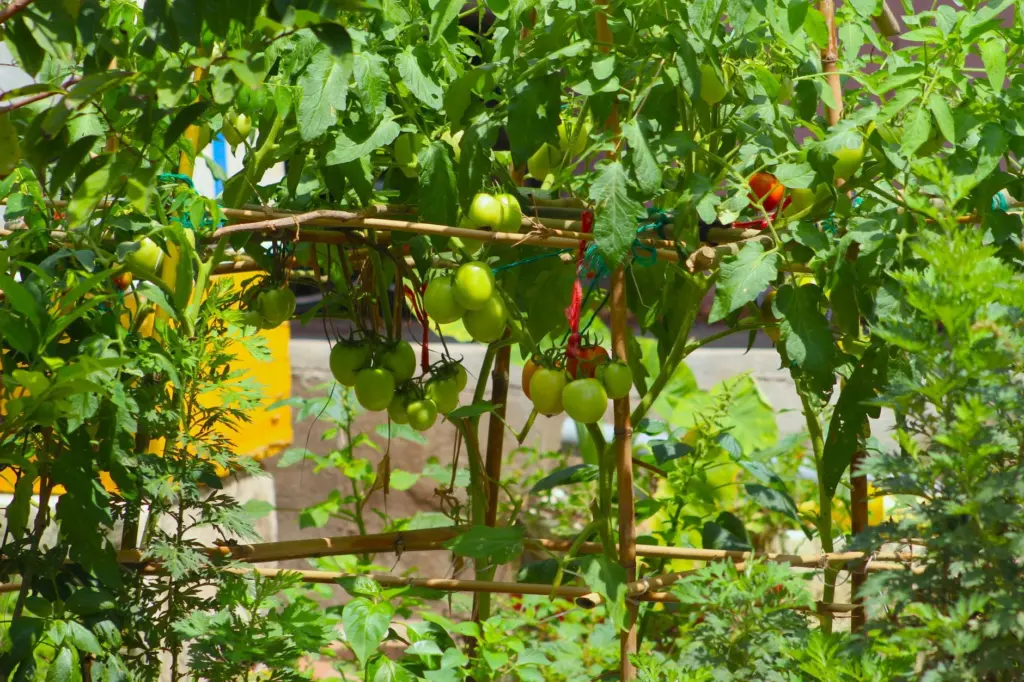
No guide gives a separate distance for each companion. Use the tomato spacing as your framework: place compact companions such as marigolds and garlic in the gaps or along the edge, and give basil enough room for several plants if you hope for its pest effect. Keep fennel, brassicas, corn and potatoes out of this layout altogether.
For rotation, the one supported guideline is to follow carrots with tomatoes after harvest, once frost danger has passed in spring. Beyond that, record what grew where each season and keep the potato plot separate from the tomato bed in future years. Gardeners who like raising plants from cuttings between seasonal jobs can try an indoor project with How To Propagate Pothos: 3 Easy Methods For Fast, Healthy Cuttings (2026).
Companion and avoid chart
Use this chart as a quick planting reference, noting that every benefit listed is reported, not proven.
| Plant | Reported role with tomatoes | Planning use |
|---|---|---|
| Basil | Said to repel hornworms, aphids, spider mites, whiteflies and mosquitoes; attracts bees | Plant several per tomato if pest control is the goal |
| Marigolds | Said to keep away slugs, non-beneficial nematodes and tomato worm | Edge of the bed |
| Garlic | Repels spider mites | Fill gaps between tomatoes |
| Onions | Odour deters many pests that feed on tomatoes | Fill gaps between tomatoes |
| Beans | Release nitrogen into the soil as they grow | Pair with heavy-feeding tomatoes |
| Carrots | Break up soil as roots grow down | Grow first, then follow with tomatoes after harvest |
| Dill seedlings | Deter hornworms; mature dill stunts tomatoes | Keep young and well clear |
| Fennel | Root substance impedes tomato growth | Keep out of the tomato bed |
| Brassicas | Broccoli, cabbage, cauliflower, kohlrabi, kale and Brussels sprouts should not be near tomatoes | Grow in a separate bed |
| Corn | Shares tomato fruit-worm and corn ear-worm | Grow in a separate bed |
| Potatoes | Attract blight fungus that can harm tomato roots | Keep the potato plot away |
The chart draws on a seed company’s tomato companion guide and a garden-supply companion list.
Frequently asked questions
| Question | Answer |
|---|---|
| How much sun do tomatoes need? | Tomatoes require at least 6 hours of direct sunlight per day to thrive, according to an Agrio guide. Site the bed for the tomatoes first. A spot that falls short is better used for shade-tolerant plants, such as those in Shade-Savvy Perennials That Bloom All Summer: 2026 Guide To Bright, Low-Light Borders. |
| What soil suits tomatoes and their companions? | The same Agrio guide says tomatoes prefer well-draining soil with a pH of 6.2 to 6.8, so choose companions that are happy in that range. |
| Can tomatoes grow near black walnut trees? | No. The seed company guide says black walnut trees secrete a compound called juglone, which can stop tomatoes fruiting or kill them. It gives no safe distance, so plant tomatoes well away from the tree. |