The answer to when to plant tomato plants is after the last frost, once soil is above 55°F and nights are mild. Allow a week or two past the last frost as a buffer.
A frost date gives you the starting point and a thermometer makes the final call. This guide, part of our gardening for beginners series, turns both into a planting date you can use wherever you garden.
Why frost, soil and night temperatures set the date
Tomatoes punish early planting far more than slightly late planting. Colorado State University Extension notes that the plants are readily killed by a light frost. Frost is only the most dramatic risk. A week of daytime temperatures below 55°F will stunt plants and reduce yields, even when nothing freezes.
Frost dates are a starting point
A last-frost date tells you when to start paying attention, not when to plant. The Old Farmer’s Almanac puts it plainly: frost dates are helpful, but soil temperature is more precise, and soil temperature rather than the calendar is the real signal for when seeds will sprout. Cornell’s vegetable guidance advises waiting at least a week or two after the last frost and not rushing to transplant until weather has stabilized and soil is warm.
Treat that week or two as a minimum. If the forecast still shows cold nights when the buffer ends, keep the plants indoors a little longer.
Soil temperature
Colorado State states that soil temperatures must be above 55°F before transplanting can succeed. The University of New Hampshire Extension gives a slightly warmer target, advising gardeners to wait until the danger of frost has passed and soil has warmed to about 60°F. The Almanac’s soil temperature chart lists tomatoes in the 65°F to 75°F (18°C to 24°C) band.
Read those three figures as a ladder. Above 55°F is the floor, about 60°F is the sensible target for most gardeners, and the Almanac’s band is the warmth to aim for if your season is long enough to wait. Take readings with a soil thermometer inserted 2 to 3 inches deep, where the plants will sit.
Night and day air temperatures
Soil can warm up on a sunny afternoon while nights stay cold, so check the air too. Cornell asks for nighttime temperatures consistently above 45°F. Colorado State sets a stricter bar of above 52°F at night and above 60°F during the day at transplant. A gardener’s guide for a cooler zone suggests nighttime air reliably above 10°C (50°F), ideally 15°C (59°F).
When the figures disagree, choose the higher one. Cornell also warns that transplants exposed to cold, meaning days of 60°F to 65°F and nights of 50°F to 60°F, are more prone to catfacing, a fruit deformity. Planting at the bare minimum can therefore cost you fruit quality later.
Planting thresholds at a glance
These are the checks to run before any tomato goes into the ground. Each one catches a different kind of cold.
| Check | Value | Planning use |
|---|---|---|
| Time after last frost | At least a week or two | Minimum buffer; extend it if the forecast still shows cold nights |
| Soil temperature | Above 55°F | Floor for transplanting; do not plant below it |
| Night air temperature | Consistently above 45°F (Cornell); above 52°F at transplant (Colorado State) | Use the higher figure when you want a safety margin |
| Day air temperature | Above 60°F at transplant | Hold off if days are still cool |
| Cool spell after planting | A week of daytime highs below 55°F | Stunts plants and cuts yield, so check the forecast before planting day |
| Fruit-set temperatures | Poor above 90°F or below 55°F | Aim for flowering to fall between these limits |
Figures come from Colorado State University Extension and Cornell Cooperative Extension.
From frost date to your planting date
The same sequence works in every region, because the thresholds stay fixed while the calendar date moves.
- Find your last spring frost date. Use a local frost chart or your extension office. Treat it as a guide, not a guarantee.
- Add the buffer. Count forward at least a week or two from that date. This is your earliest candidate planting date.
- Check the soil. Push a thermometer 2 to 3 inches into the bed. Proceed only when it reads above 55°F, and preferably about 60°F.
- Check the nights. Look for reliably mild nights, using the higher air-temperature figures above if you want more margin.
- Read the forecast. A cool week right after planting is what stunts plants, so shift the date if one is coming.
Two regional examples
Real extension recommendations show where the rule lands. Along the Colorado Front Range, planting time is typically late May. In New Hampshire, Memorial Day weekend is a safe time for transplanting tomatoes throughout much of the state. Both dates sit well after the frost risk has passed and reflect the wait for warm soil. Use them as calibration points for your own area. If you garden in a colder or warmer spot, your date will shift, but the method will not.
Adjusting for cool springs and hot summers
Cool springs and short seasons
When soil warmth is the limiting factor, you can raise it deliberately. Colorado State describes black plastic mulch as popular for tomatoes because it warms the soil and pushes production two to three weeks earlier. That helps with the soil threshold, but it does not remove frost risk. The buffer after the last frost still applies, so use mulch to make a borderline soil reading workable rather than to plant ahead of the frost date.
Hot summers
Heat is the other end of the scale. Cornell lists temperatures above 90°F or below 55°F as causes of poor fruit set. One beginner’s guide adds that plants often drop blossoms and fail to set fruit above 30°C (86°F). In hot regions, this makes the first safe date after frost the one to aim for, since earlier planting gives plants more time to flower before the heat arrives.
Starting seeds and choosing transplants
Work backwards from the day you plan to transplant, not from the frost date itself. Cornell advises sowing seeds indoors 6 to 8 weeks before transplanting outside, and UNH gives the same lead time for seedlings started indoors six to eight weeks before being moved to the garden. So take your planting date from the steps above and subtract that interval to get your sowing date.
Keep the seed tray warm. Cornell reports that tomato seed germinates across a 60°F to 95°F range, and best at 75°F to 90°F. A cool windowsill will slow the seedlings and push the schedule back.
If you buy plants, judge them by size and colour. Colorado State describes the ideal transplant as dark grass green and six to eight inches tall with at least 5 to 7 true leaves. A plant that looks bigger than that is not necessarily better, so do not hurry it into cold ground.
Hardening off before planting day
Plants raised indoors need an adjustment period before they meet full sun and wind. UNH advises setting plants outdoors for a few hours each day for about ten days before transplanting. It also says to bring them indoors at night and on days when temperatures fall below 60°F.
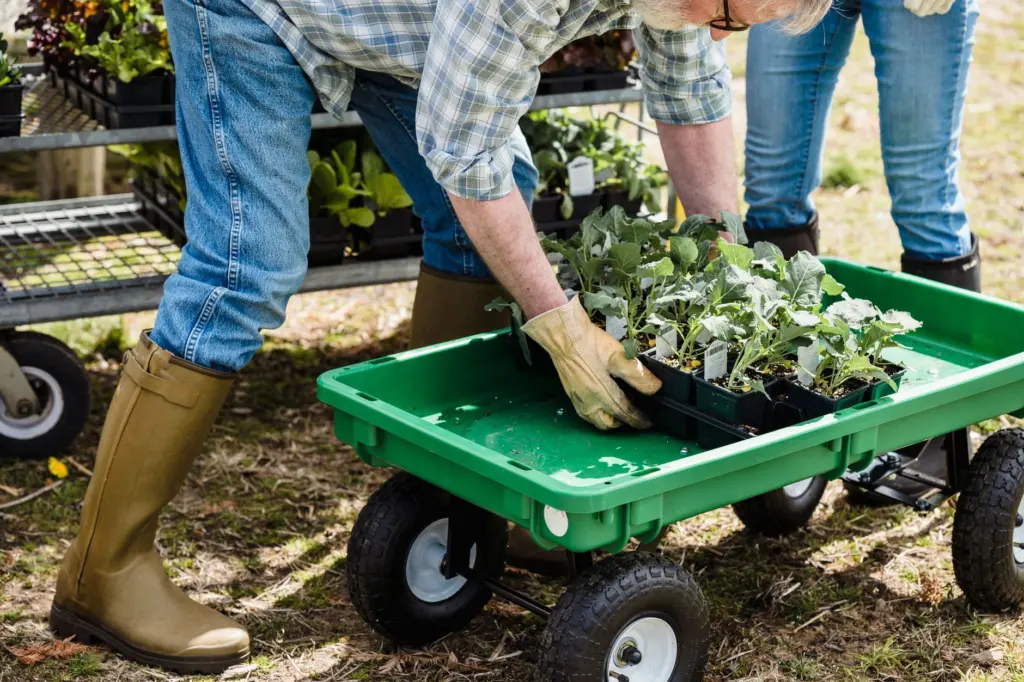
Extension sources also stress the plant’s water and nutrition. Cornell says to harden off by reducing water and fertilizer, and Colorado State adds withholding water and/or nutrients and exposure to cooler temperatures. Combine the two: ease back on watering and feeding, and keep outdoor exposure mild, because cold exposure itself raises the catfacing risk.
On transplant day, choose a settled, mild spell and a bed that has already passed the soil check. Planting into stable weather matters more than hitting a particular calendar date.
While you wait for the soil to warm
The weeks of waiting leave room for other projects. If you want flowers alongside your tomatoes, How to Grow Zinnias: Easy Steps For Big Blooms All Summer (2026) covers a planting you can plan now. An indoor project such as How To Propagate Monstera Deliciosa: A Step-By-Step Guide For Healthy New Plants (2026) suits the same stretch of time. More plant guides are collected under Plants & Gardening.
Frequently asked questions
Can I plant tomatoes before the last frost?
Not without protection and a good reason to risk it. Tomato plants are readily killed by a light frost, and Cornell advises waiting at least a week or two after the last frost before transplanting.
What soil temperature do tomatoes need?
Soil above 55°F is the floor Colorado State gives for successful transplanting, and UNH recommends about 60°F. Check with a thermometer set 2 to 3 inches deep where the plant will go.
What if my transplants have grown leggy?
Plant them on their sides. Colorado State advises setting taller, leggy transplants horizontally in a trench 2 to 3 inches deep.