Yes, a leftover pit can become a plant. Here is how to grow avocado from pit: suspend it flat end down over water or plant it in houseplant soil, then expect weeks to sprout and years, if ever, to fruit.
This is a simple first project for anyone working through gardening for beginners. The same slow, watch-and-wait houseplant habits carry over to guides such as How To Grow A Healthy Money Tree: Simple Steps For Bigger, Happier Houseplants In 2026 and How To Grow A Christmas Cactus: Easy Care Tips For Bigger Blooms In 2026.
Setting up the avocado pit
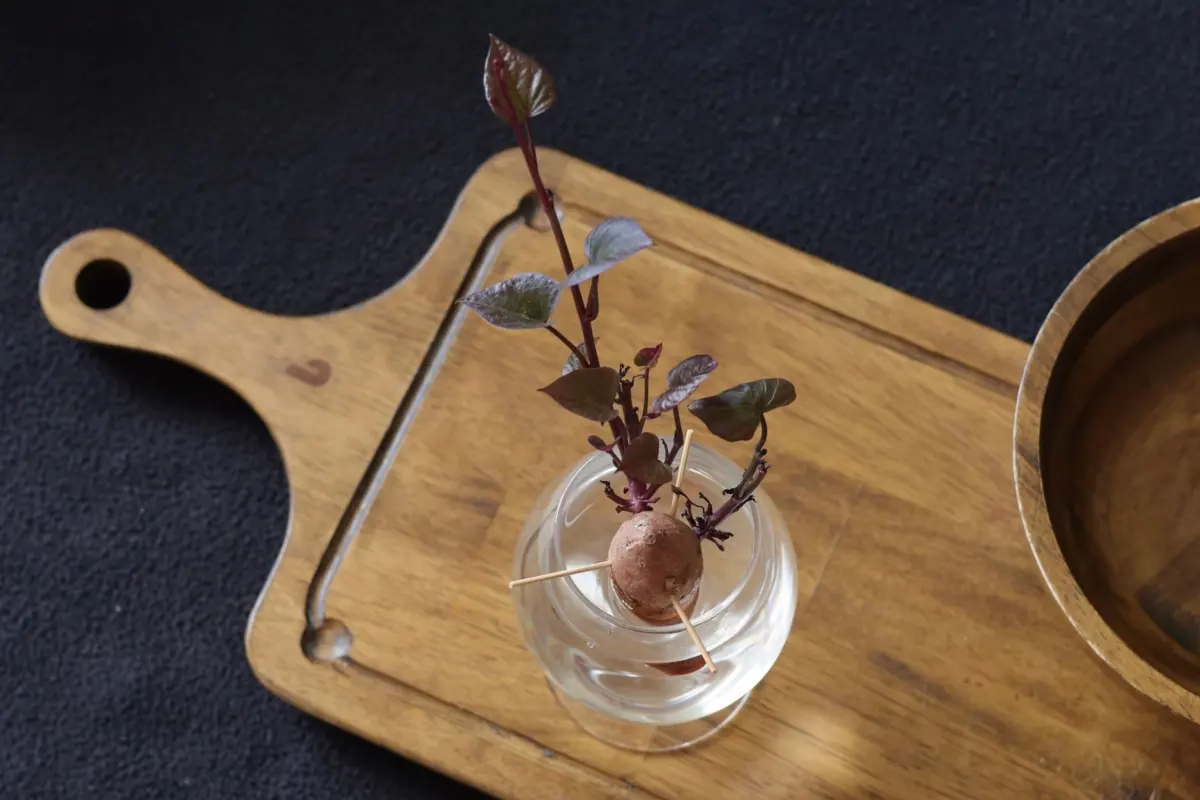
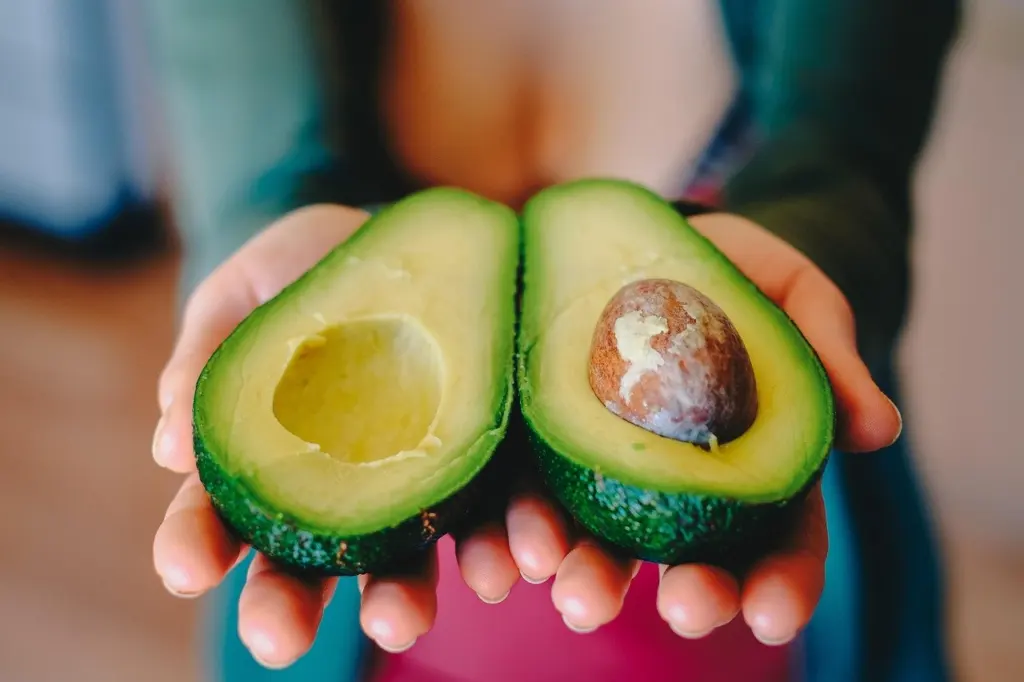
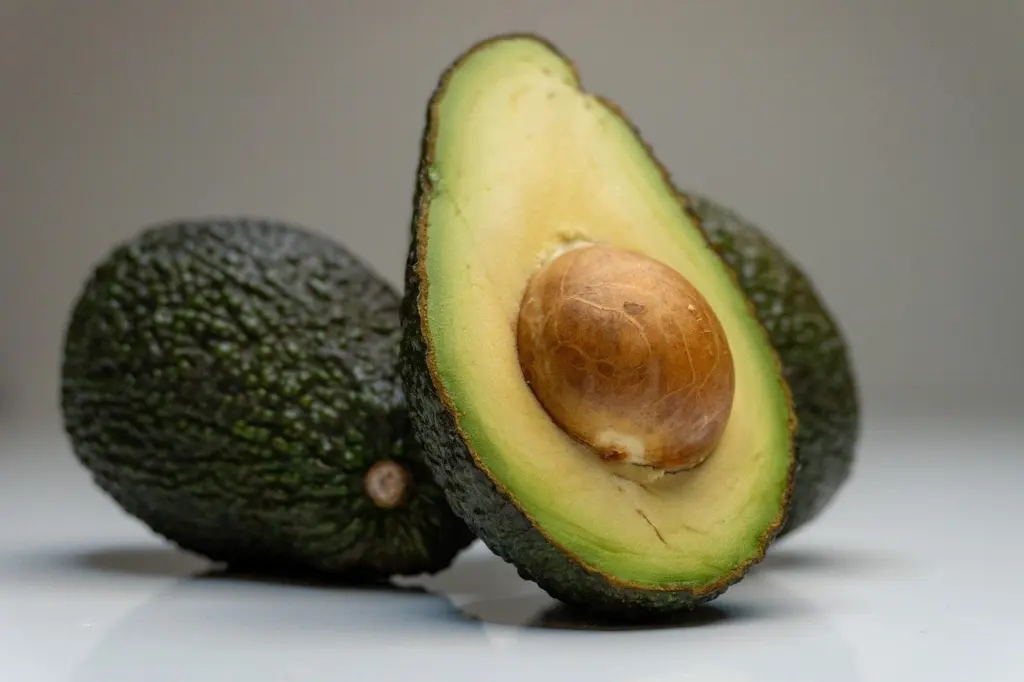
An avocado pit has a flat end and a pointed end, and getting them the right way round matters more than any other detail. Roots come out of the bottom of the seed, the end farthest from the stem tip, according to one grower’s seed-starting guide. That lower half stays in water or soil while the pointed tip stays up and exposed. Nebraska Extension gives the same orientation for the glass method: flat end down, pointed end out of the water.
Most of the mistakes people make with a new pit come from a handful of plausible-sounding beliefs. The table sets them against what the evidence supports.
| Common belief | What works | Why it matters |
|---|---|---|
| The whole pit should sit underwater. | Insert three or four toothpicks about halfway down the sides and rest them on the glass brim, flat end down. | Only the lower part of the pit touches water, and the pointed end stays out of it. |
| Burying the pit completely protects it. | Plant it so the pointed end sits about an inch above the soil surface. | A pit that is totally covered and kept too wet is vulnerable to rotting. |
| A sunny windowsill is needed to sprout it. | The seed does not need any sunlight to start growing, and intense sun can burn it. | Light becomes important later, once there is a seedling to feed. |
These figures come from Nebraska Extension and a grower’s seed-starting guide.
The practical lesson is that the pit rewards restraint. It needs moisture at its base and a dry, exposed tip, not a sunny spot or a deep bed of soil. Choose water if you like the toothpick set-up, or soil if you would rather skip a stage. Both are laid out below.
The water method with toothpicks
The toothpick method suits anyone who wants a simple, low-cost start with nothing more than a glass. Work through it in this order:
- Insert the toothpicks. Push three or four toothpicks into the seed about halfway down its sides, as Nebraska Extension describes. Gardeners’ World uses four toothpicks to suspend the stone above a cup of water.
- Set the pit in the glass. Place it flat end down so the toothpicks rest firmly on the brim and the lower end reaches the water.
- Refresh the water regularly. Farm and Dairy advises changing it every five to seven days to prevent bacteria and fungus growth.
- Keep it warm. Gardeners’ World notes that germination is helped by some heat, moisture and a humid atmosphere.
- Watch the flat end. A small root should appear from it after a few weeks, per Nebraska Extension.
Warmth is the variable most worth managing. The grower’s guide above reports sprouting in around a month when daily highs reach 75 to 80 °F. Daily highs much cooler than that slow germination. A pit in a cool room is not necessarily failing, it is just slower.
The soil method
Planting straight into a container skips the glass stage and lets the seedling stay put longer. Nebraska Extension suggests filling a large container with houseplant potting soil and planting the seed so the pointed end is about an inch above the soil surface. The same guide says to keep the soil moist at all times until the plant is established.
Container shape deserves a moment’s thought. The grower’s guide prefers a tall, slender container over a short, wide one, and notes that starting in a container means there is no need to transplant the seedling as soon. Keep the pit’s tip uncovered. A pit that is fully buried and kept too wet is the one most at risk of rotting.
How long sprouting takes
Timing varies a lot, so a range is more honest than a single number. Different growers describe different stages, and they fit together as follows:
- The split comes first. About two to four weeks in, the seed begins to crack open and a split appears.
- Roots follow. Gardeners’ World says roots appear after about six weeks when the pit is suspended over water.
- The overall range is wide. Sprouting can happen as quickly as 2 weeks but is more likely to take as long as 8 weeks.
- Warmth sets the pace. A month is typical at daily highs of 75 to 80 °F, and cooler rooms stretch it out.
The decision for the impatient grower is to hold off judging a pit until the longer end of that range has passed. Keep the water fresh or the soil moist, and leave it alone. Pulling the pit out to check on it adds nothing.
Light, temperature and moisture for the seedling
Once there is a seedling, light becomes the main requirement. Nebraska Extension reminds growers that avocado plants require good, indirect light. That points to a bright indoor spot, not a window that bakes the plant in direct sun. The sunlight warning that applied to the bare seed is a useful companion rule here.
Temperature decides where the plant can live. Avocados won’t tolerate severe cold, so in cool climates they usually need to be grown as houseplants or in a greenhouse. A pit-grown plant is best treated as an indoor plant and kept away from cold.
On moisture, Nebraska Extension advises keeping the soil damp rather than soaked until the plant is established. Moist is not the same as soaked, and the leaf symptoms of getting it wrong are covered in the FAQ below.
Transplanting the seedling
Move the seedling up a pot size only when it shows it is ready. Gardeners’ World says to pot on once the plant is well established and roots are peeping out of the bottom of the pot. Once established, it goes into a large pot where it will have room to grow.
For a water-started pit, Farm and Dairy gives a clear checkpoint. Pot it when the stem is 6 to 7 inches tall and the roots are at least 3 inches long, into an 8 to 10 inch pot. A seedling started directly in a tall container needs this step later, as noted in the soil section.
Will a pit-grown avocado fruit?
Realistically, a pit-grown avocado is a foliage plant first and a fruit tree only in theory. Gardeners’ World says avocado trees can take up to ten years to bear fruit in the right conditions. It adds that the average Hass avocado from a supermarket is unlikely to reward you with more than good foliage in UK conditions.
That should shape what you expect from the project. Grow it for the glossy leaves and the pleasure of watching a root and shoot emerge from something that would have gone in the bin. If fruit ever arrives, treat it as a bonus rather than a goal.
Frequently asked questions
| Question | Answer |
|---|---|
| Is the water method or the soil method better? | Either works. Nebraska Extension says the soil method provides faster results, so choose it if speed matters. |
| How often should an avocado seedling be fertilized? | Every three months with a standard houseplant fertilizer, according to Nebraska Extension. |
| What do curled or falling leaves mean? | Wet soil results in curled leaves and soft stems, while soil that is too dry produces dry leaves that fall off, per Nebraska Extension. Adjust watering to match the symptom. |