| Feature | Verified detail | Planning use |
|---|---|---|
| Octagon pergola around a fire pit | Eight-sided structure built around a fire pit; offered in three sizes: 15-ft, 12-ft and 9-ft radius | Match the radius to the open patio area before choosing a plan, and treat the fire pit as the centre of the layout. |
| Pergola build difficulty | Skill level stated as Intermediate to Advanced; covers auger, reciprocating saw, circular saw and mason line, plus mixing concrete and setting posts | Decide early whether to build it yourself or hire a builder for the footings and posts. |
| LED outdoor bulbs | Use less electricity than conventional bulbs, last longer, and come in warm white to cool white | Default choice for fixed patio lighting; pick the colour to suit how the space is used. |
| Path lights | Placed low so they light the path without glare | Use along steps and routes to the patio rather than over seating. |
| Wall lights | Suit terraces, balconies and entrances | Good for the house edge of a patio, where the wall can carry the fitting. |
The figures above come from a printable octagon pergola and fire pit plan and an outdoor lighting guide.
Good patio ideas start with one question: what job must the space do, such as dining, fire, cooking or evening light? Choose that anchor feature first, confirm local rules, then add shade and lighting around it.
Readers focused on the patio surface itself can continue with Patio and Outdoor Living Spaces. The sections below connect each major feature, from decks to lighting, to a focused guide.
Where to start
The right starting point is the feature that dictates everything else in the layout. A patio plan goes wrong most often when seating, a structure and a heat source are placed separately and then forced to share the same space.
Pick the anchor feature
- Dining and lounging. Start with the surface and the overhead structure. A table needs room to pull chairs out, so decide the footprint before buying furniture.
- Fire. Start with the fire pit position. Seating, lighting and any overhead structure all have to work around an open flame, so it controls the rest of the plan.
- Cooking. Start with the counter and grill position, because cooking zones need to sit close to the house and to a place where guests can stand without being in the way.
- Evening use. Start with a lighting plan if the patio will mostly be used after dark. Fixtures are far easier to place before planting and furniture are fixed.
- Privacy and shade. Start with screening and cover if the yard is overlooked or the patio is exposed to sun. Comfort decides whether any of the other features get used.
Set the order of work
Work from the ground up. Settle the surface and any structure that needs footings first, then fire and cooking features, then shade, and finally lighting and furniture. Lighting and furniture are the easiest to adjust later, while footings, posts and paved areas are the hardest to move once built.
For a yard where the budget is the main limit, 10 Budget-Friendly Backyard Landscaping Ideas That Transform Your Space in 2026 helps decide what to do now and what can wait.
Checks before you build
Local authorities, not design guides, decide what a patio project may include. Before buying materials, contact the local building or permit office about structures and the local fire authority about open flame.
Questions to put to the local office
- Overhead structures. Ask whether a freestanding pergola needs approval, and whether the answer changes when it attaches to the house. Attached structures are the case most likely to prompt extra questions, so ask about them specifically.
- Decks and raised platforms. Ask whether height, size or railings trigger a permit, and what inspection steps apply.
- Fire pits. Ask what the fire authority allows, including permitted fuel type, required distance from the house, fences and overhanging branches, and any burn restrictions in dry weather.
- Gas and electrical supply. If a kitchen or lighting circuit needs new supply lines, ask whether a licensed installer or inspection is required.
Ask for the answers in writing, or note the name of the person and the date, and keep it with the plan. Distances and thresholds differ between municipalities, so the local figure always overrides any number printed on a product page or in a design article.
Lighting has its own courtesy check. An outdoor lighting guide advises making sure light does not shine into neighbours’ yards, which is worth settling at the planning stage rather than after the fittings are fixed in place.
Patio surfaces, decks and budget
The surface sets the character of the whole space, so it is the first big material decision. A ground-level patio suits a yard that is flat and close to the back door, while a deck is the more natural choice where the house door sits above the lawn.
Choosing between patio and deck
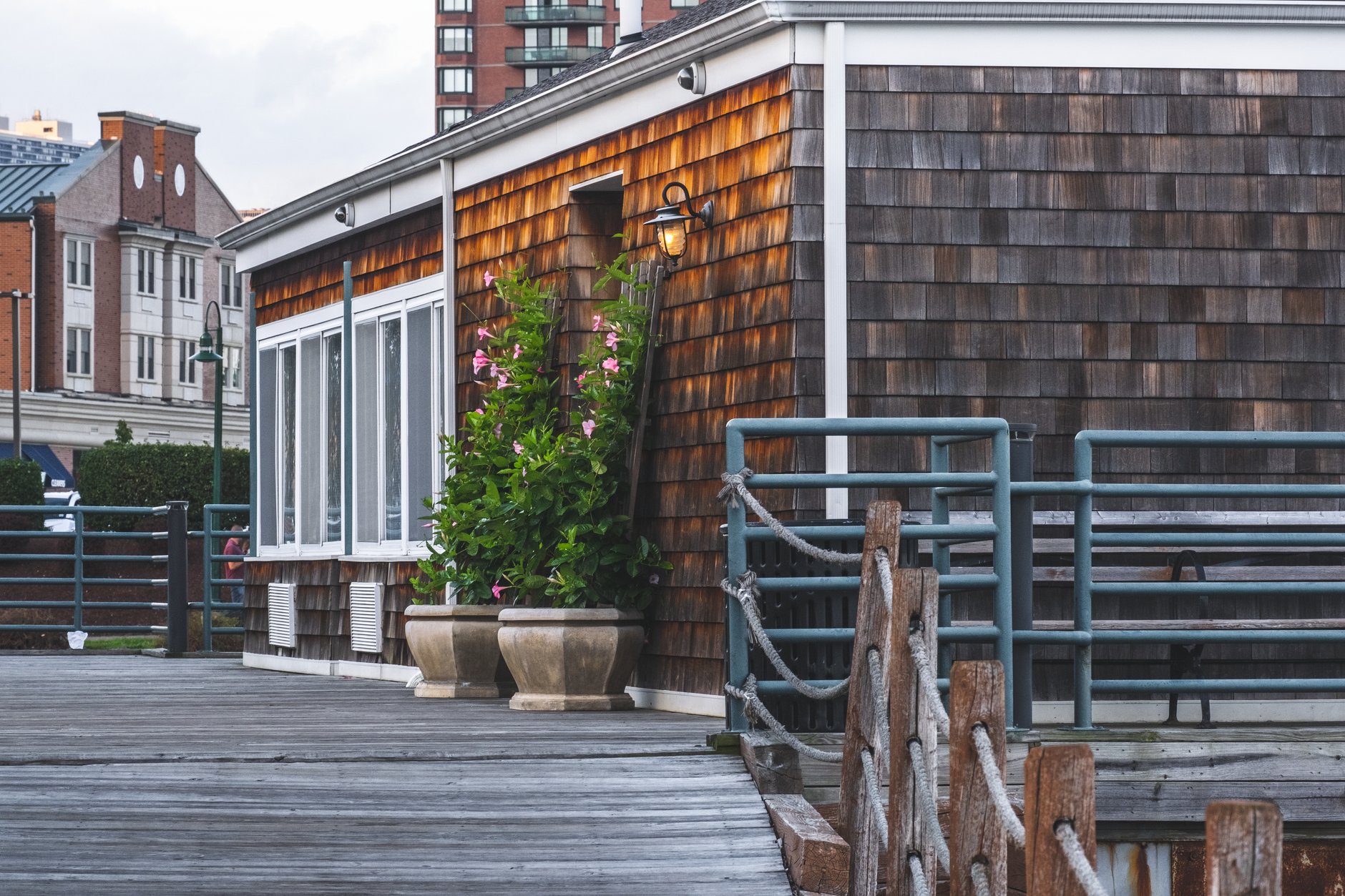
Pavers and similar hard surfaces make sense when furniture will be moved often and when a fire pit or kitchen is planned, because the same surface can run through the whole zone. A deck suits a space that needs a raised platform and a railing, and it pairs well with large planters to soften the edges.
When the deck is already built and the question is how to style it, Deck Decorating Ideas: Transform Your Outdoor Space On Any Budget — 2026 Guide covers furniture, planters and finishing touches. For those still deciding how to build one cheaply, Budget Backyard Deck Ideas: Practical, Stylish Ways To Build And Style Your Outdoor Space In 2026 is the better starting point.
Keeping costs under control
The most useful budget decision is where to spend and where to wait. Spend on the parts that are hard to change later, namely the base, the footings and any structure. Save on the parts that are easy to upgrade, such as furniture, cushions and decorative lighting.
- Build in stages. Lay the surface and structure first, and add features as the budget allows rather than buying everything at once.
- Use planting to do the work of structure. Containers and planting beds define zones for far less than built features.
- Choose one statement feature. A single well-built pergola or fire pit area does more for the space than several small, unfinished additions.
Pergolas and overhead structures
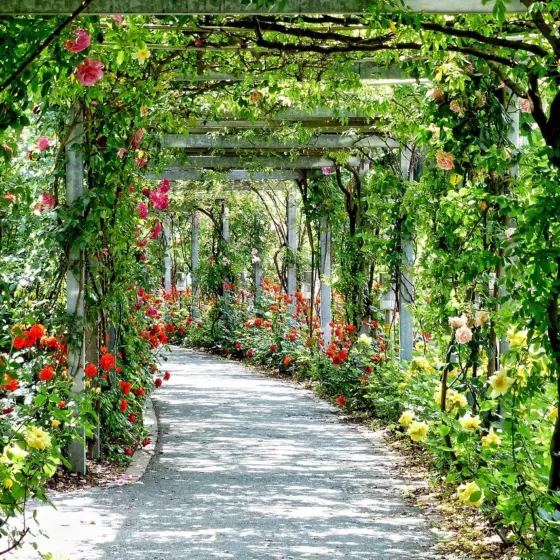
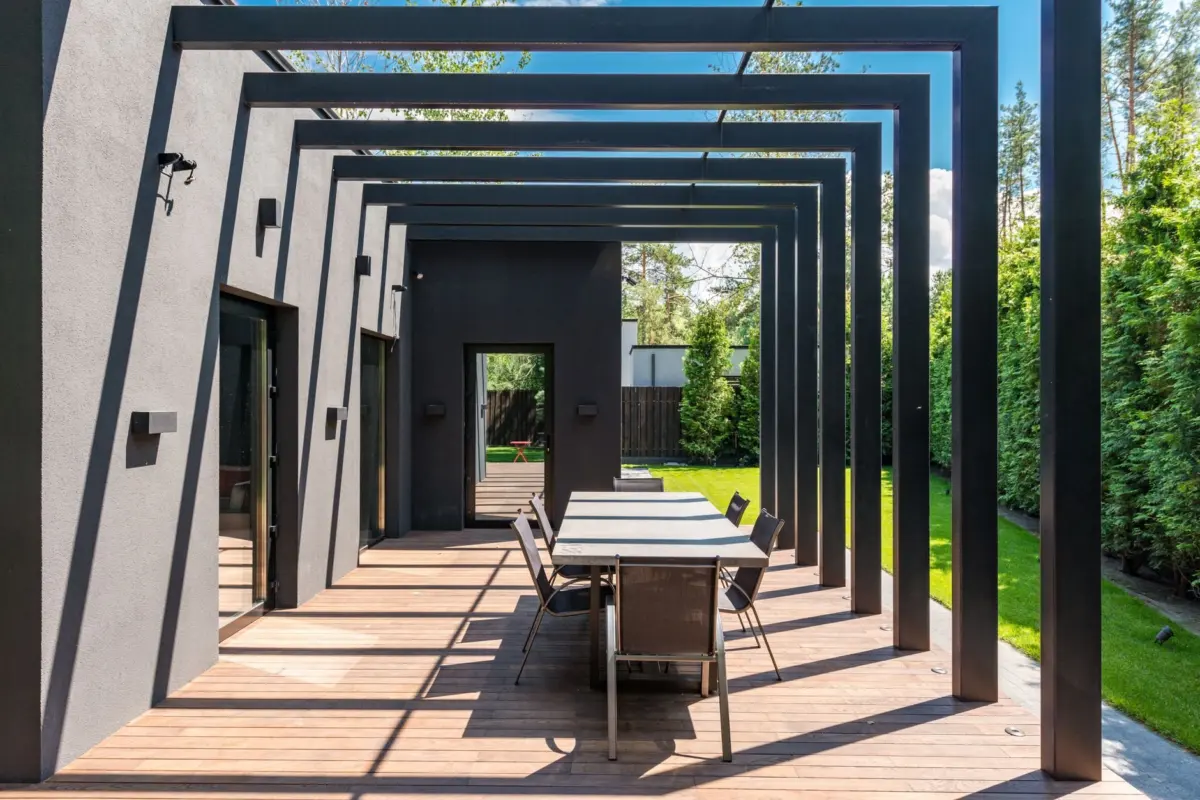
A pergola gives a patio a defined ceiling and a place to hang lighting, even though its open beams provide only partial shade. It suits readers who want structure and a sense of enclosure without a solid roof.
Sizing and building a pergola
One printable plan for an octagon pergola built around a fire pit is offered in three sizes: 15-ft, 12-ft and 9-ft radius. The smallest suits a compact patio, and the largest needs open yard with room to walk around the structure. Measure the available area before choosing, and allow for furniture and circulation outside the posts.
The same plan lists its skill level as Intermediate to Advanced, and its instructions cover tools such as an auger, reciprocating saw, circular saw and mason line, as well as mixing concrete and setting posts. That is a useful reality check. A pergola with set posts is a construction project, and anyone not comfortable with concrete and power tools should consider hiring a builder for the footings and posts.
Choosing the pergola type
- Small yards. A compact, freestanding structure keeps the open area usable. Small Pergola Ideas: Stylish, Space‑Saving Designs to Transform Tiny Yards in 2026 covers the choices for tight spaces.
- House-side patios. A structure attached to the wall extends the indoor living space outwards. Attached Pergola Ideas: Stylish, Space-Saving Designs To Transform Your Home In 2026 explains the options, and it is the case to raise with the local permit office first.
- Open-yard features. A larger freestanding structure suits a destination spot, such as a fire pit or dining area set away from the house.
If the question is whether a pergola or a more enclosed structure is right, pergola vs gazebo sets out the differences. Choose the pergola for an airy, open feel and the gazebo when overhead cover matters more.
Fire pit areas
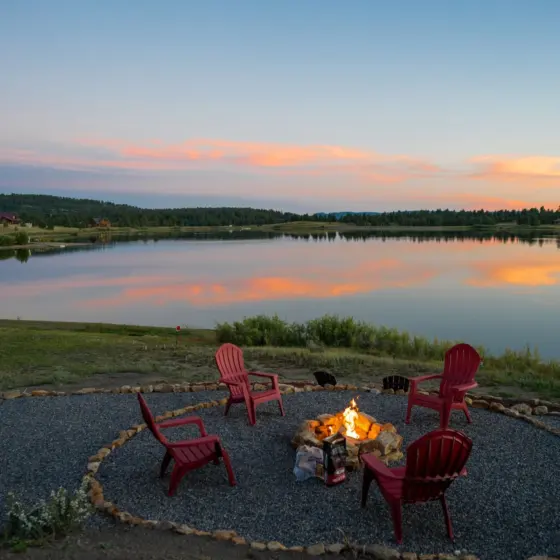
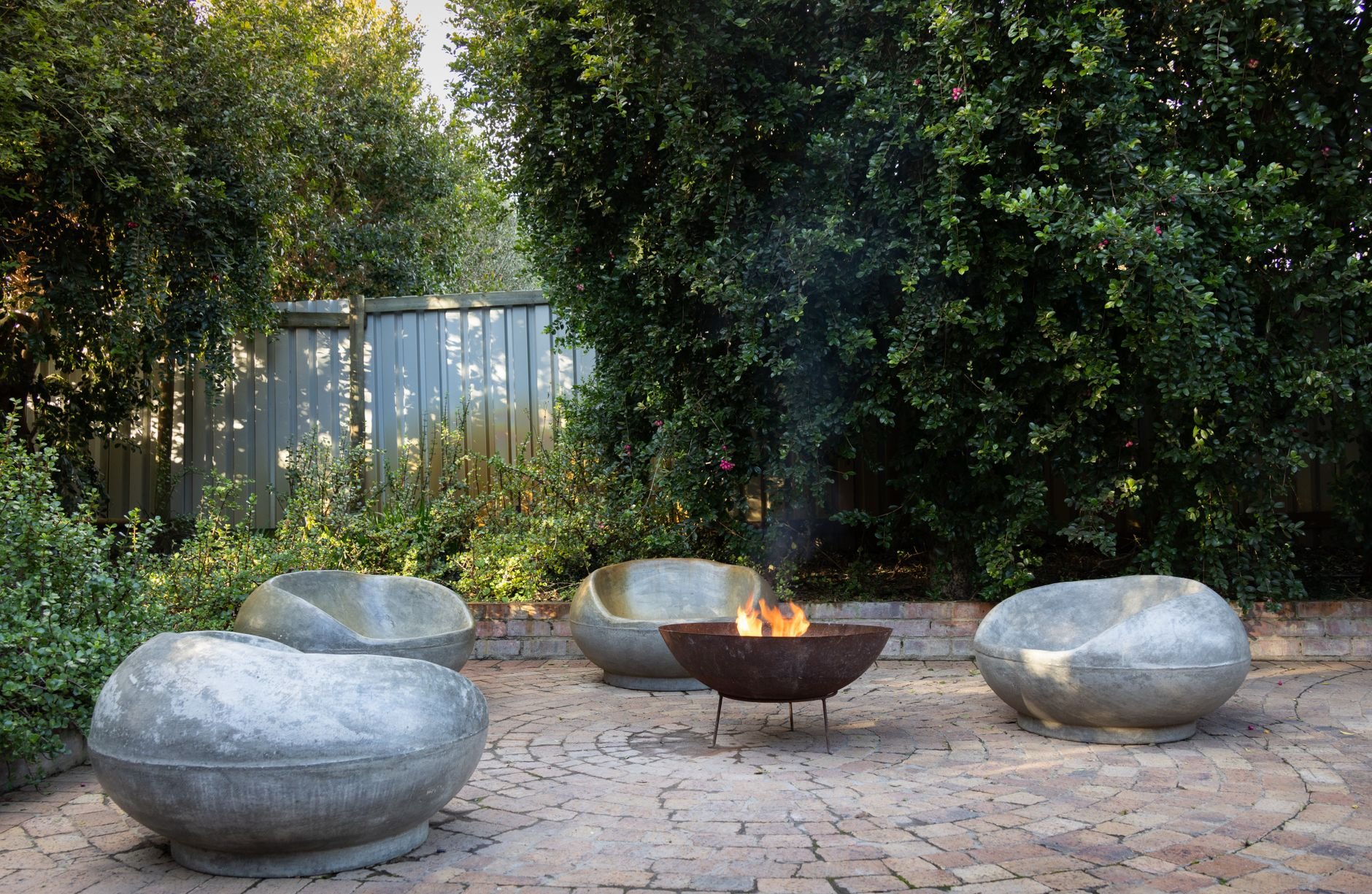
A backyard fire pit area works when the pit, the seating and the surrounding space are planned as one zone. The pit is the fixed point, so decide its position first and arrange everything else around it.
Planning the area, step by step
- Check the rules. Ask the local fire authority what is allowed and how far the pit must sit from buildings, fences and trees. Local requirements override any rule of thumb.
- Choose the position. Pick a level spot with open sky above and enough clear space around it for people to move easily.
- Pick the surface. Use a non-combustible, stable base under and around the pit, and keep the surface consistent with the rest of the patio.
- Arrange the seating. Place chairs or built-in seats in a ring that leaves clear walkways, and keep them far enough from the flame for comfort.
- Plan the light. Use low, soft fittings so the fire remains the focus and people can still see the ground.
Pits with a structure overhead
Some designs put a roof frame around the fire. The octagon pergola plan mentioned earlier is built around a fire pit, with eight sides enclosing the pit area. If a design puts any structure above a flame, check the plan’s own guidance and confirm the arrangement with the local fire authority before building, since an overhead frame changes what clearances matter.
Layout, surface and style options
- Seating arrangements. Cozy Fire Pit Seating Ideas: Smart Layouts, Materials, and Safety Tips for 2026 looks at how to arrange and choose seats.
- Low-cost surfaces. Pea Gravel Fire Pit Ideas: 20 Stylish, Low-Cost Designs to Transform Your Backyard in 2026 suits a tight budget and a relaxed look.
- Overall landscaping. Backyard Fire Pit Ideas That Transform Your Outdoor Space In 2026 places the pit within a wider planting and layout scheme.
Outdoor kitchens and cooking zones
An outdoor kitchen is worth planning when cooking outside is a regular habit rather than an occasional event. The key choice is how much to build in: a simple counter with a place for a grill is a very different project from a full run of cabinets with a sink.
What to decide first
- Position. Keep cooking close to the house and away from the seating area, so smoke and foot traffic do not cross where guests sit.
- Counter space. Leave a work surface on both sides of the cooking appliance so food can be prepared and plated without leaving the station.
- Services. Ask the local building office whether gas, water or electrical connections need inspection or a licensed installer, as covered in the checks earlier on this page.
- Lighting. Cooking needs clear, unshadowed light over the counter, so plan task lighting rather than relying on string lights alone.
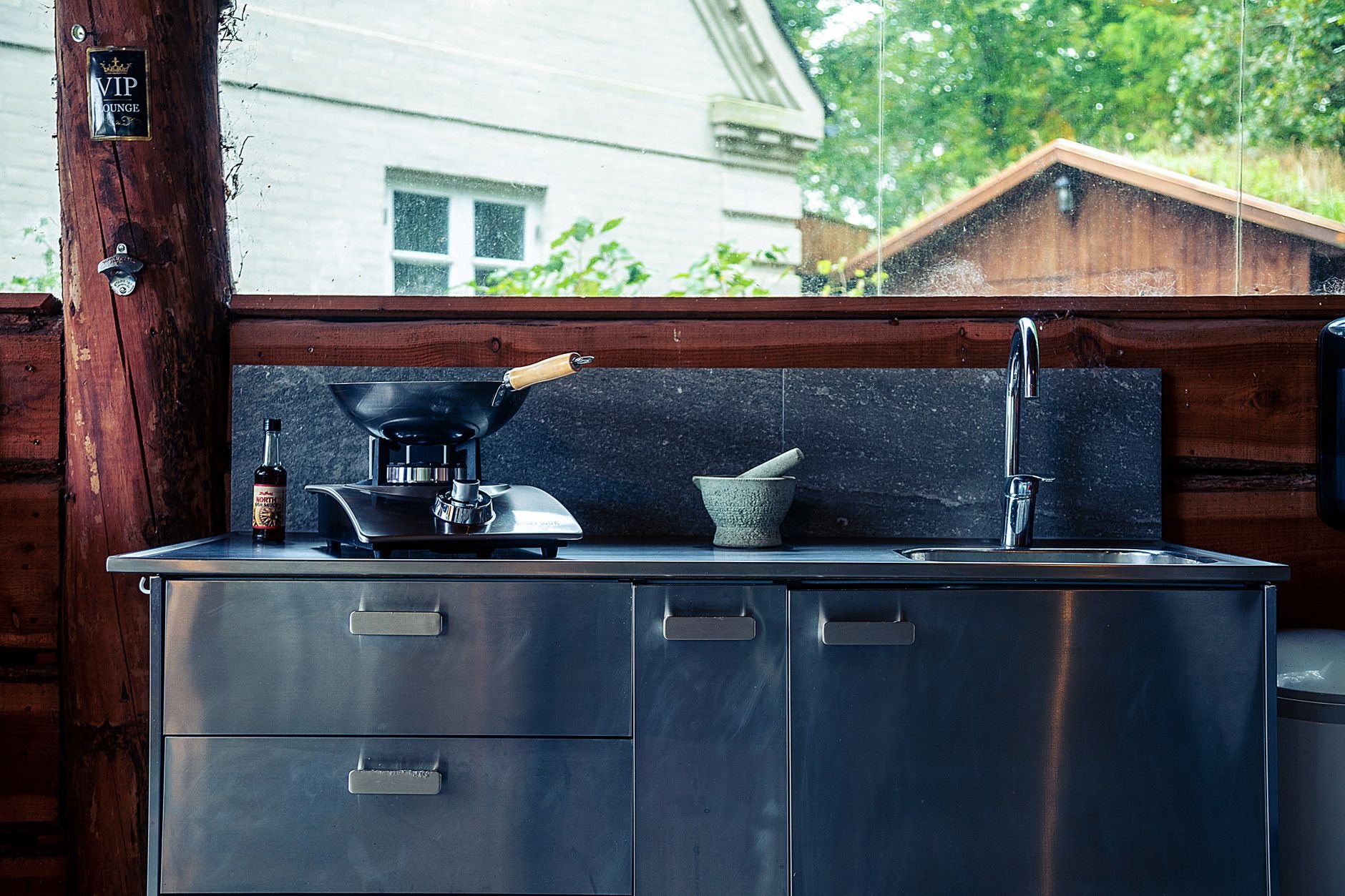
For ready-made layouts that fit different yard sizes, Outdoor Kitchen Layout Ideas: Smart, Space‑Saving Plans To Entertain And Cook Better In 2026 is the focused guide. Choose a compact layout when space is tight, and a longer run when entertaining larger groups is the aim.
Shade, cover and privacy
Shade and privacy decide whether a patio is comfortable enough to use. A well-built surface and a good fire pit still go unused if the space is exposed to harsh sun or overlooked by neighbours.
Cover options
A retractable canopy or awning adds cover that can be drawn back when the sun is welcome, while a fixed roof gives more constant protection. A pergola gives partial shade only, so pair it with a canopy or climbing plants where full shade matters.
- Fully roofed patios. covered patio ideas suits readers who want shelter from sun and rain.
- Insect-free seating. screened porch ideas is the route for those who want cover with enclosed sides.
Privacy
Privacy can come from screens, planting or structure, and the right answer depends on how much of the yard is overlooked. Start by identifying the sight lines from neighbouring windows to the seating area, then block those lines specifically instead of enclosing the whole yard. Backyard Privacy Ideas: Smart, Stylish Ways To Create Seclusion In 2026 covers the main approaches.
Outdoor lighting
The best outdoor lighting for a patio is layered: soft general light for the seating area, low light along paths, and accent light on plants or architecture. An outdoor lighting guide advises that lights should not dazzle and should still provide enough brightness, which is a good test for every fitting you add.
Choosing fixtures
| Fixture | Verified detail | Best use |
|---|---|---|
| Path lights | Often placed at a low height to light the path without glare | Steps and routes leading to the patio |
| Spotlights | Used to accentuate plants or architecture, combined with indirect lighting | Planting beds, trees and feature walls |
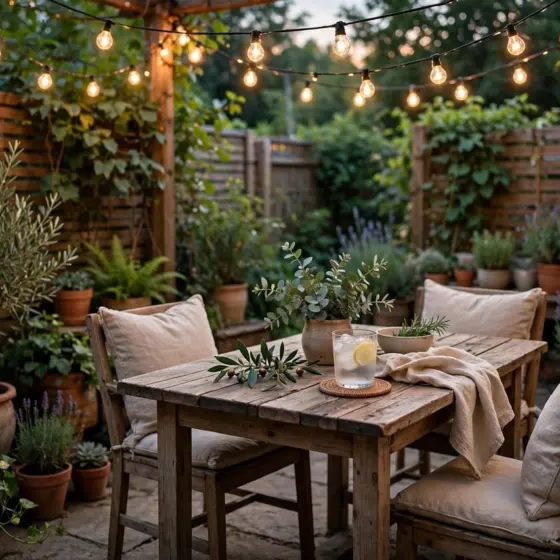
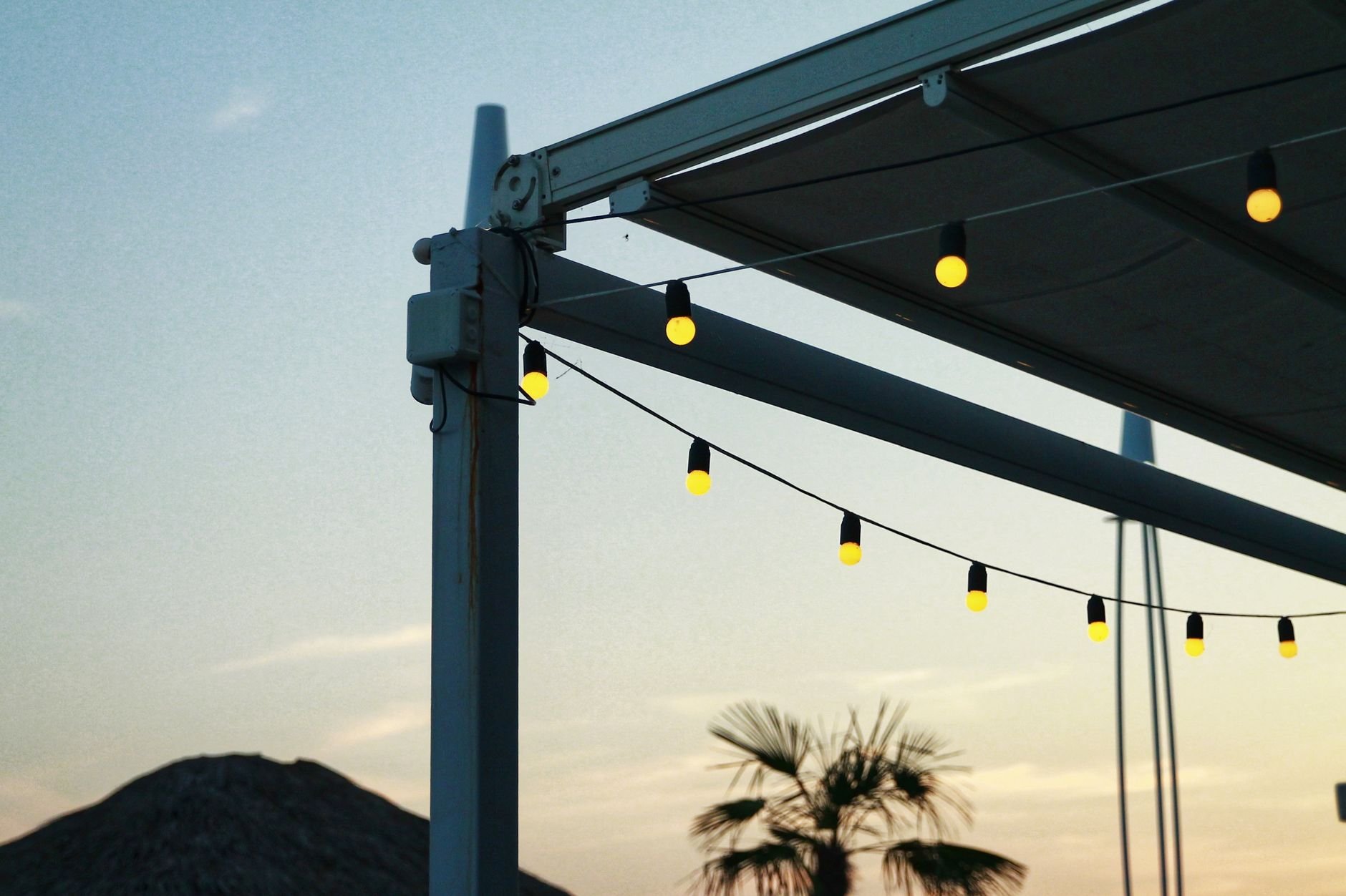
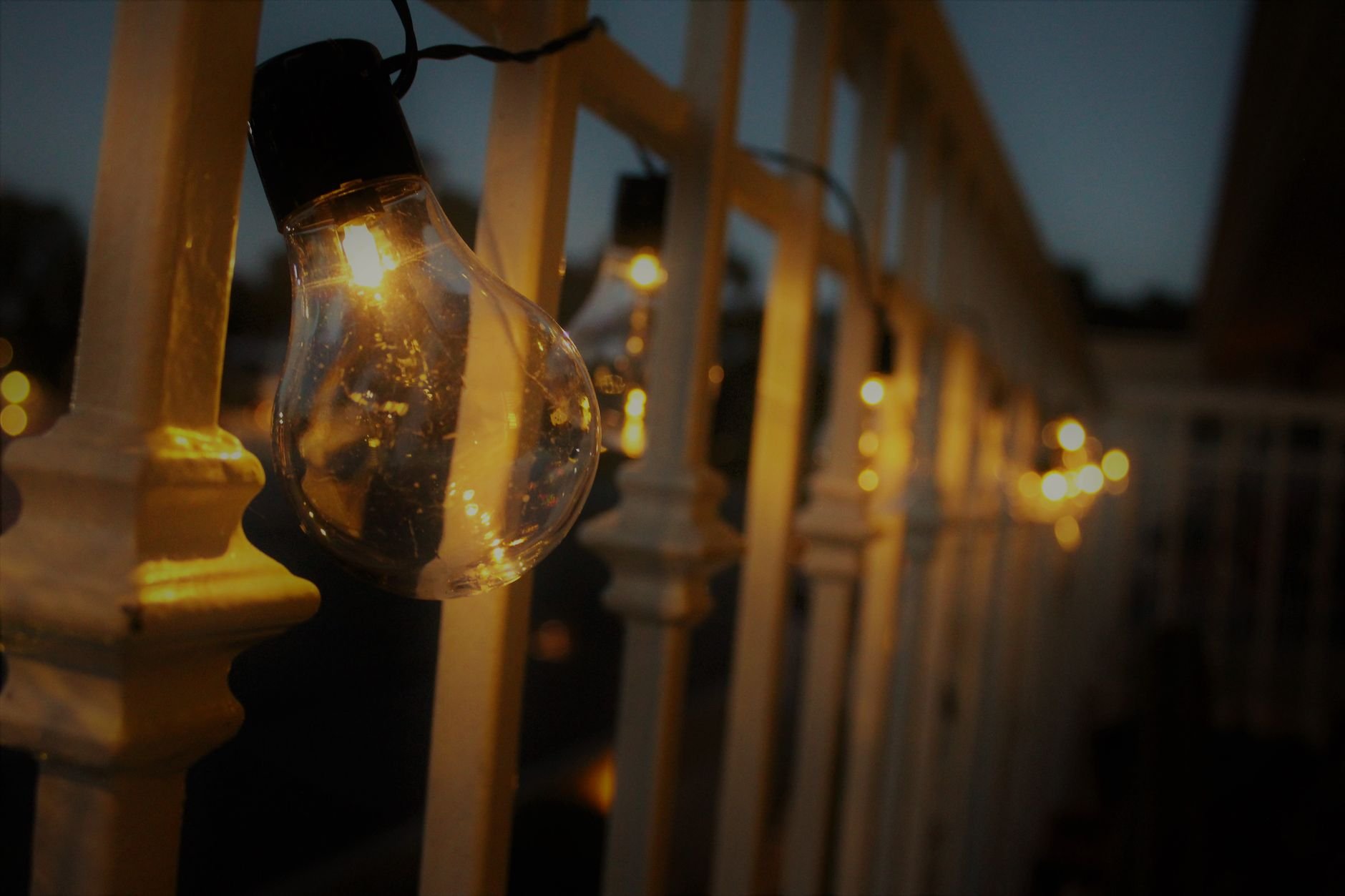
| Fairy lights | Can be flexibly attached to trees, pergolas or fences | Overhead mood lighting above seating |
| Wall lights | Ideal for terraces, balconies or entrances | The house wall beside doors and seating |
These details are drawn from the same outdoor lighting guide.
Combining fixture types matters more than any single choice. Use string or fairy lights for atmosphere, wall lights for working light by the door, and low path lights for safe movement, so each does one job.
Bulbs, power and controls
- LED bulbs. They use significantly less electricity than conventional bulbs and last longer, and they come in colour temperatures from warm white to cool white.
- Solar lights. They depend on sunlight and may not last as long on cloudy days, so they suit sunny, open spots better than shaded corners.
- Motion sensors. They switch on only when movement is detected, which saves energy and suits entrances and side paths.
- Timers. They let lights turn on at a set time, for example at sunset, and turn off when they are no longer needed.
Focused lighting guides
Lighting over a pergola has its own set of options, covered in Pergola Lighting Ideas: Transform Your Outdoor Space With Cozy, Stylish Illumination In 2026. For the front of the house, where lighting affects arrival and the street view, Modern Front‑Of‑House Lighting Ideas To Boost Curb Appeal In 2026 is the more relevant guide.
Frequently asked questions
Do I need a permit for a pergola or fire pit?
It depends on the local rules. Ask the local building or permit office about structures and the local fire authority about open flame before building. Attached pergolas, raised decks and any new gas or electrical supply are the cases most likely to need approval.
Does a printable pergola plan include materials?
No. The octagon pergola plan referred to above is a digital PDF only, and no physical product or building kit is shipped. Materials and tools must be sourced separately.
Which light colour suits a patio?
LED outdoor lighting is available from warm white to cool white. Warm white suits relaxed seating and dining areas, while cooler white can suit work areas such as a cooking counter.