| Effect you want | Fixture choice and supported value | Planning use |
|---|---|---|
| Overall glow on a budget | String lights along rafters and between posts, bulbs typically 18–24 inches apart | Plan hook or guide-wire points before buying a string so the bulb spacing lands where you want light. |
| Focus over the dining table | Pendants usually 30–36 inches above the table surface | Measure from the tabletop, not the floor, so the fixture lights the meal without crowding diners. |
| Cozy, relaxed mood | Warm white LEDs in the 2700K–3000K range | Use as the default for ambient fixtures wherever people sit. |
| Visibility at the grill | Slightly cooler colour temperature near grills and prep surfaces | Keep cooler light local to the cooking zone and leave the seating area warm. |
| Light that changes through the evening | Dimmers paired with dimmable LEDs | Choose dimmable fixtures from the start so one scheme serves early dinners and late conversation. |
| No new wiring | Solar lights that switch on at dusk | Suits decorative glow in a sunny spot; plan separate light where you need to see clearly. |
Figures and placement guidance in this table come from a pergola manufacturer’s lighting guide and a pergola maker’s article on lighting ideas.
The best pergola lighting ideas start with the effect you want: warm string lights for overall glow, pendants over the table, and slightly cooler light at the grill. Whatever you choose, use wet-location rated fixtures.
Lighting works best as part of the whole setting, so read this alongside our patio ideas with plants. For compact structures, Small Pergola Ideas: Stylish, Space‑Saving Designs to Transform Tiny Yards in 2026 helps you judge how much the frame itself will limit where fixtures can go.
Lighting by effect and budget
Budget decides how permanent the lighting is, and the effect you want decides which fixtures earn a place. Start with the simplest layer that delivers the mood, then add dedicated light only where you cook, serve or read.
String lights for a low-cost canopy
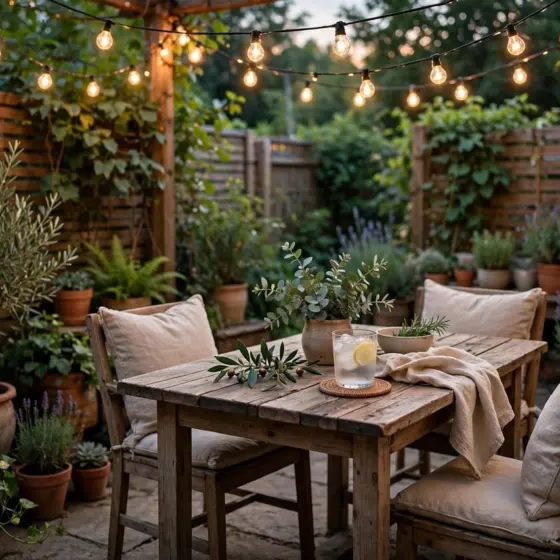
String lighting suits projects where simplicity and budget are priorities, according to the manufacturer’s guide. It also notes that bulbs are typically spaced 18–24 inches apart and mounted using guide wires or beam-mounted hooks. That makes string lights the easiest way to light a pergola when the structure is already built, because the mounting points are the beams you already have.
Renson’s guide identifies the rafters and the spaces between the posts as ideal locations. Which one you pick changes the result:
- Along the rafters: keeps the light overhead and follows the lines of the structure, which suits a pergola you want to read as a defined room.
- Between the posts: draws the light across the open spaces and suits a pergola with sparse rafters or an open top.
- On guide wires or beam hooks: the two mounting methods the guide names, so decide which your beams can take before you buy a strand.
Durability matters for a fixture that stays up all year. Commercial-grade outdoor string lights with shatterproof LED bulbs offer durability, which is a better choice than glass-style bulbs for a pergola in a windy or family-use spot.
Pendants over the dining table
A pendant gives the table a clear focal point that string lights alone do not. The guide’s rule is that pendants are usually installed 30–36 inches above table surfaces. That height is a typical range, so check it against how tall your guests sit and whether the pendant is shaded or open. Pendants suit a mid-range budget where one table anchors the space, and they should carry the same wet-location rating as every other fixture under the roof.
Built-in strips and smart control
For a more finished look, LED strips can be housed within aluminum channels and installed as part of the pergola structure. Because the channels are part of the build, decide on them when the pergola is fabricated rather than adding them as an afterthought. Smart lighting systems typically add to upfront costs, so they suit buyers who want scene control and are prepared to pay for it at the start.
Solar lights and brightness
Solar lights are bright enough for ambience but not for tasks. Solar lights can come on automatically when dusk arrives, as Renson’s guide describes for solar-powered pathway lights, which removes both wiring and switching.
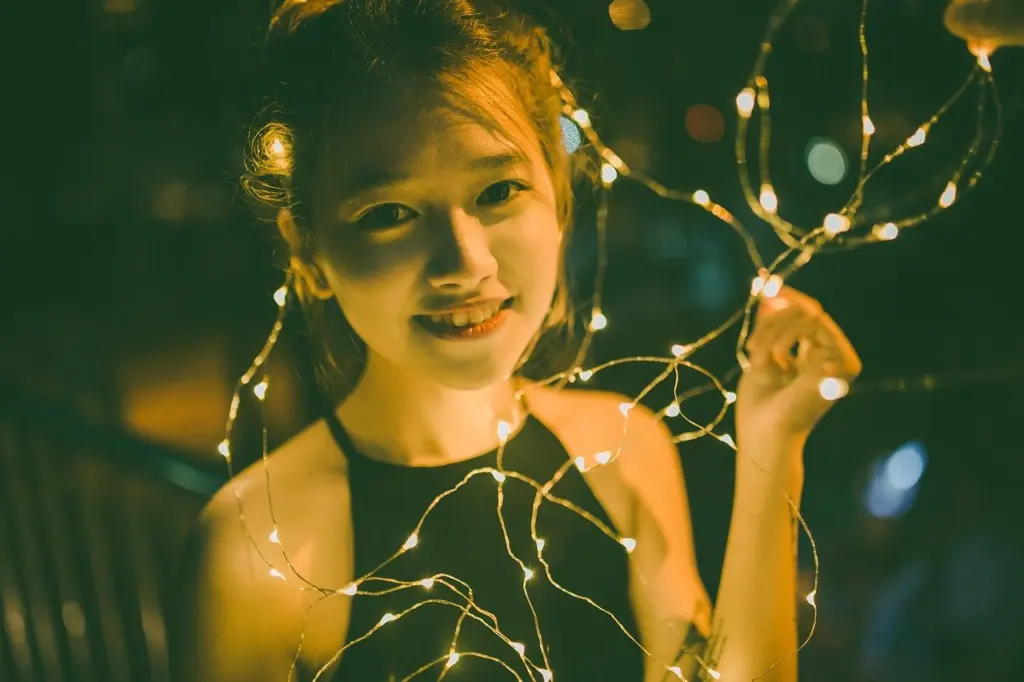
One solar string listing shows what a typical package looks like: a 33 ft solar LED string with 100 Edison globe bulbs, which stores enough energy to keep the lights glowing for up to 10–12 hours after a full day of sunlight. The condition matters: that runtime follows a full day of sun, so a pergola shaded by trees or a house wall will not match it.
Another solar listing is explicit about limits. Decorative solar lights do not replace task, emergency or security lighting, and carry no guaranteed task-lighting brightness. Use them for atmosphere over seating, and keep a separate, properly specified light for the grill, steps and any route you rely on after dark.
- Choose solar when: the pergola gets good sun, you want decorative glow, and running power is impractical.
- Choose mains or low-voltage when: you cook, read or serve under the pergola and need dependable light on demand.
- Mix both when: you want solar glow overhead and a wired fixture over the work surface.
Colour temperature and dimming
Warm white is the best colour temperature for most of a pergola. Warm white LEDs in the 2700K–3000K range are typically preferred for ambient light, according to the manufacturer’s guide, and the solar string above is specified at a warm 2700K. Matching the warm end across every fixture keeps the space looking coherent.
The exception is the cooking zone. Slightly cooler colour temperatures can improve visibility around grills and prep surfaces, so keep that fixture local and aimed at the work, while leaving seating areas warm.
Dimmers let the light level shift naturally through the evening, from early gatherings to a softer late-evening setting. Dimmable LED options also improve longevity and energy efficiency, and Renson notes that LED lighting is energy-efficient and available in versatile designs. Since a dimmer only works with fixtures built for it, confirm that both the bulbs and the fixtures are dimmable before you buy. One solar listing rates each LED bulb at 50,000 hours of use, a manufacturer’s rating rather than a guarantee for your pergola.
Weatherproofing and safe installation
Weatherproofing a pergola starts with the rating on the box. The manufacturer’s guidance is that all fixtures should be rated for wet locations and paired with dimmer controls.
Product-level ratings give you something to compare. One solar string describes its bulbs as individually sealed against moisture with IP65 waterproof rated housing, and its solar panel casing is reinforced ABS plastic rated for temperatures from -4°F to 140°F (-20°C to 60°C). Read both numbers: the first covers moisture, the second tells you whether your winters and summer sun are within the panel’s range.
- Check each product’s own rating: a rating on one product says nothing about another. Another solar listing warns against assuming submersion suitability or unrestricted severe-weather use.
- Do not improvise connections: the same listing advises checking the site before inserting stakes, avoiding buried utilities, and not improvising connections.
- Treat decorative lights as decoration: they supplement, and do not replace, task, emergency or security lighting.
If the pergola sits near an entrance, the brief changes toward security and curb appeal. Modern Front‑Of‑House Lighting Ideas To Boost Curb Appeal In 2026 covers that side of the house, and more guides on the back garden sit under Outdoor Living.
Frequently asked questions
How do I light a pergola without running new wiring?
Use solar lights that come on at dusk, or hang a plug-in string along the rafters if an outlet is nearby. Solar suits decorative glow in a sunny spot.
Are solar lights bright enough?
They are bright enough for atmosphere, but decorative solar lights have no guaranteed task-lighting brightness. Add a dedicated light where you cook or read.
What color temperature is best?
Warm white in the 2700K–3000K range for seating areas, with a slightly cooler light kept near the grill or prep surface.
How do I weatherproof pergola lights?
Choose fixtures rated for wet locations, compare product-specific ratings such as IP65, and avoid improvised connections.