| Approach | Estimated build and time | Planning use |
|---|---|---|
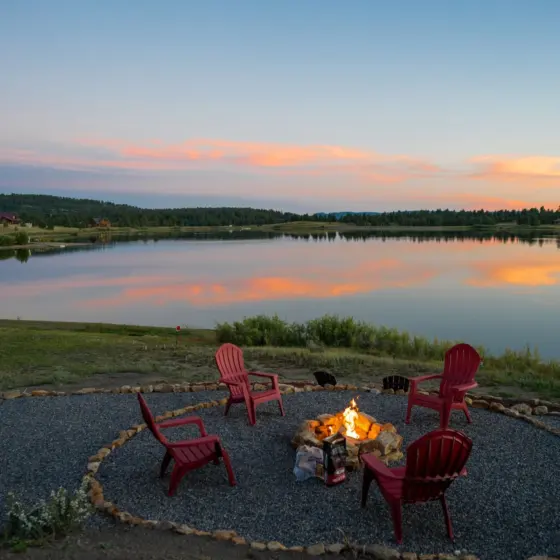
| Level gravel pad with fire-rated metal ring and masonry surround | Simplest place to start | Suits a first fire pit on level ground and keeps the build easy to adjust later. |
| Classic paver fire pit | $75–$250; half to full day | Gives a permanent look in a short build, provided the materials suit direct heat. |
| Tabletop fire bowl | $50–$225; 1–2 hours | Fits a small patio and a quick project. It needs a listed burner on an approved surface. |
| Concrete-look fire bowl surround | $175–$600+; 2–3 days including cure | Build the curing time into the schedule before planning the first evening around it. |
| Sunken conversation circle | $1,000+; several weekends | Suits a yard where the fire pit is the main gathering space and you can commit several weekends. |
These build ranges are planning estimates from a DIY fire pit planning guide and cover the fire feature and basic base materials only.
Good backyard fire pit ideas landscaping start with a nonflammable, non-grass base, a low-traffic spot, and plants kept outside the heat zone. The fuel type then decides how much upkeep you take on.
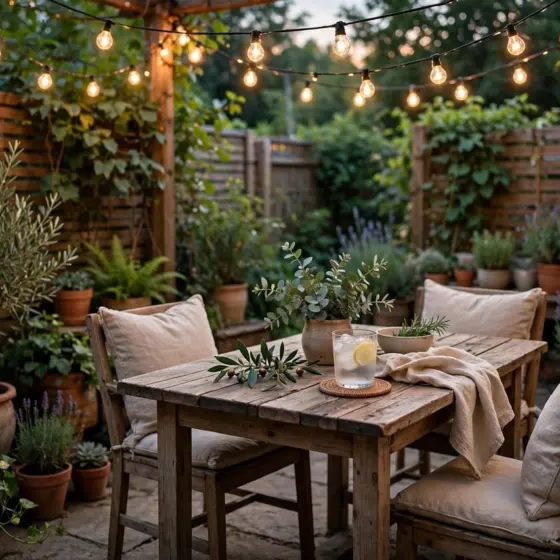
If you are still shaping the wider yard, our patio ideas with plants show how a fire pit can sit within a planted outdoor room.
Choosing the spot
The fire pit should sit on a nonflammable, non-grass surface, such as a wide stoop or brick patio, according to Architectural Digest’s fire pit ideas. That rules out setting a pit straight onto lawn. If your yard is mostly grass, the first decision is where to put a patio or pad, not which pit to buy.
Surface and traffic
The same guide notes that placing a pit in an area with less foot traffic suits a more intimate gathering space. In practice, that means treating the pit as a destination rather than something people pass on the way to the gate or the back door. These are the choices that follow from it:
- Brick or paved patio: the natural choice if you already have one, because the surface is nonflammable and the pit can sit directly within your existing seating area.
- New gravel pad: the better option when the quiet corner of the yard is lawn. It lets you put the pit where the atmosphere is best rather than where the patio happens to end.
- Quiet corner over central lawn: a pit set apart from through-routes feels more like a room of its own, and it keeps seating from blocking movement through the garden.
Access in winter
If you plan to use the pit in cold weather, the guide recommends a paved walkway leading to it so you can easily shovel a path for access. That favours pavers or a similar hard surface for the approach even when the pit itself sits on gravel. A path that stays clear of snow turns the pit from a summer feature into a year-round one.
Wood or gas
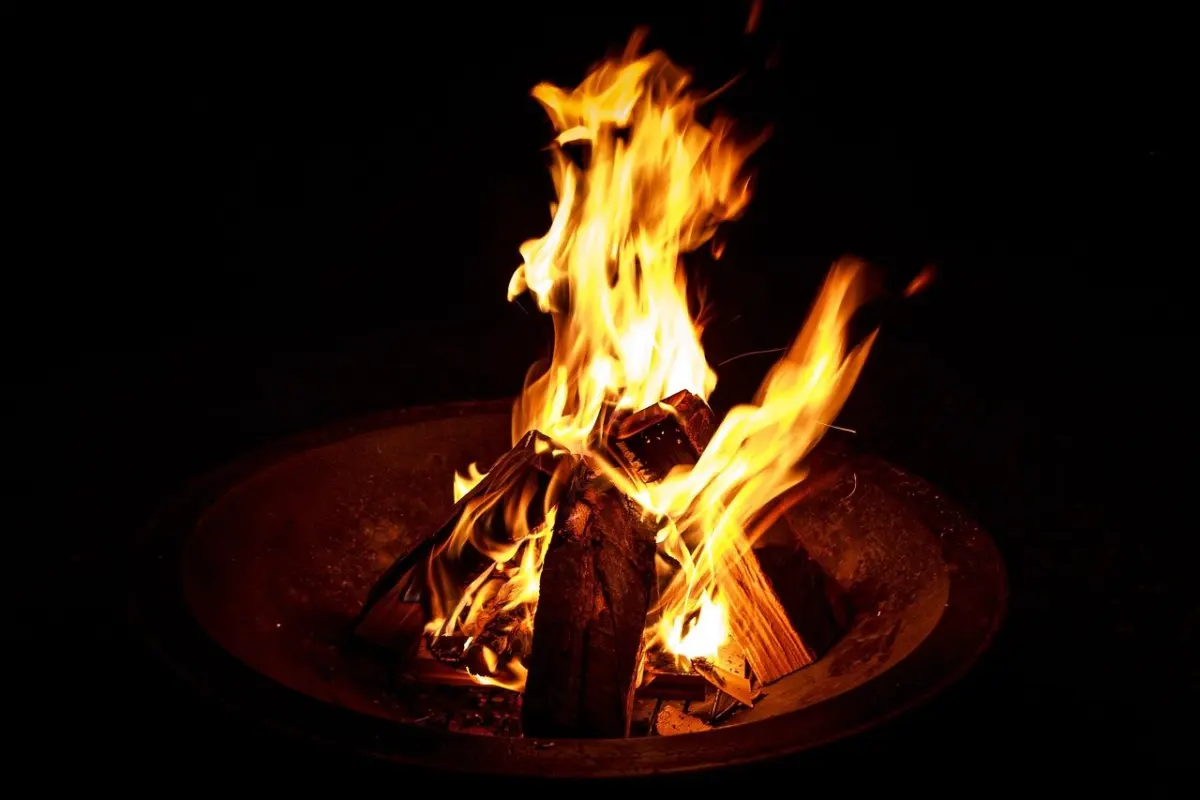
Gas suits people who value convenience, and wood suits people who value a traditional fire and accept the handling that comes with it. The decision affects cleanup, storage and how the pit is built.
- Gas for convenience: the DIY guide points to push-button ignition, a usable tabletop, controlled gas fuel and less ash cleanup as the reasons to choose it. If you will light the pit on short notice or after work, those benefits matter most.
- Gas for year-round use: a Houzz landscape photo describes a natural gas fire pit built from natural boulders that offers year-round functionality, a good match for a yard you want to use through the seasons.
- Wood for a traditional fire: wood brings ash to clean up, and it also brings a storage question. One pit in Architectural Digest’s collection has convenient built-in storage for logs, which keeps fuel close and tidy beside the seating.
A tabletop burner is a distinct third route for small spaces. The guide advises choosing a listed outdoor tabletop burner and confirming its approved surface and clearances, so a bowl on a table is only as safe as the table it sits on.
Planting around the pit
Plants frame a fire pit best when they sit outside the heat zone and the pit has hard surfaces between it and the planting. The supplied guidance sets that limit and does not name a list of safe species, so treat any plant list with caution.
The decorative planting examples in the photo galleries are useful for layout:
- Perennials and ornamental grasses: Architectural Digest shows a secondary fire pit area surrounded by perennials and ornamental grasses. This works as a framed, informal nook away from the main patio.
- Informal garden with gravel paths: a Houzz landscaping gallery includes curved gravel paths, sitting areas with a fire pit, bamboo and Japanese red maple. The paths keep foot traffic on a hard surface while the planting stays beyond it.
- Lush planting on a patio: the same gallery shows a gas fire feature surrounded by lush planting. It suggests that a gas unit on a patio can sit within a green setting, so long as the clearances are respected.
- Gravel in a drought-tolerant yard: another entry pairs gravel landscaping with a fire pit in a drought-tolerant backyard, a sensible approach if you want little irrigation near the pit.
The practical rule comes from the DIY guide: keep decorative plants outside the heat zone, along with textiles, food, drinks and sleeves. Use gravel or paving as the buffer, and plant beyond the buffer. Because the heat zone depends on your setup, take the actual distance from the clearances described further down rather than from a planting photo.
Seating and the space around the pit
A circular pit organizes loose chairs around one focal point, and the DIY guide suggests an open yard suited to 4–6 seats. If your yard is smaller or you host larger groups, a sunken conversation circle (see the table above) is the build designed for a bigger gathering, though it is also the largest project.
Look at the rim too. Architectural Digest recommends a fire pit with a wide lip, about eight inches, which is ideal for resting a drink. A wide lip saves you from adding a side table that would crowd the seating.
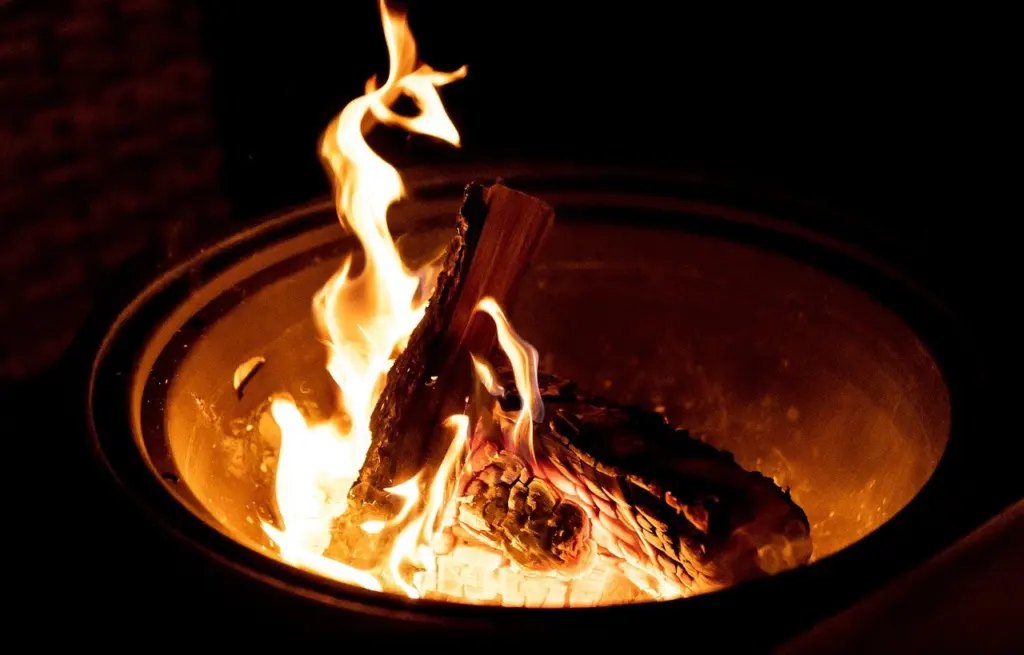
Chairs, cushions and throws are textiles, so place them outside the heat zone. Overhead structure and lighting shape how the whole area feels after dark, and these are covered separately. For lighting, see Modern Front‑Of‑House Lighting Ideas To Boost Curb Appeal In 2026. For a shaded seating zone on the house side of the yard, Attached Pergola Ideas: Stylish, Space-Saving Designs To Transform Your Home In 2026 covers the options. More projects of this kind sit in the Outdoor Living category.
Budget beyond the pit
Treat the build ranges in the table as the cost of the fire feature and basic base materials, not the whole project. The DIY guide cautions that local material prices, tools, permits, professional installation, gas or electrical work, seating and landscaping can change the final cost substantially. A gas pit with a professional connection will therefore sit well above the figure for the bowl alone, and planting and chairs add to the total again.
The practical consequence is to price the surrounding items before choosing the pit. If the budget is tight, the tabletop bowl or gravel pad keeps the fire feature cheap and leaves money for seating, which people notice more than the bowl itself.
Heat, base materials and clearances
Heat is the reason behind most of the earlier choices, so material and clearance decisions matter more than the look of the pit. The DIY guide describes a level gravel pad with a fire-rated metal ring and masonry surround as the simplest place to start. Gravel gives a level, nonflammable base, and the metal ring contains the fire.
Be cautious with pavers. According to the same guide, landscape pavers are not automatically rated for direct flame or repeated high heat, and ordinary concrete blocks may crack or spall under intense heat. A paver patio is a fine surface to set a pit on, but that is different from using the same pavers to build the walls of the fire bowl. Check the rating before you buy materials for the part that touches the fire.
Clearances belong to the specific equipment. The guide says to follow the instructions and clearances for your exact fuel source, burner, insert and surface. A figure from a garden article is no substitute for the manufacturer’s instructions, and the same distances should guide where you stop the planting.
Frequently asked questions
Do HOA rules or buried utilities affect where I can build?
Yes. Confirm local fire rules and any HOA rules, and locate underground utilities before digging. Also confirm that digging is allowed before you mark the excavation.
Can I top up a liquid-fuel fire pit while it is still hot?
No. Never refill liquid fuel while a unit is hot, and never use a fuel the manufacturer has not approved.
Is a tabletop fire bowl a sensible first fire pit?
It can be, particularly on a small patio, since it has the lowest starting estimate in the comparison above. Choose a listed outdoor tabletop burner and confirm its approved surface and clearances before you set it on any table.