| Choice | Cost or interval | Planning use |
|---|---|---|
| Gravel base, 4 inches deep, for a 200 sq ft patio | $40-$80 | The cheapest layer of a patio. Settle the footprint here before pricing any surface on top. |
| Concrete pavers for a 200 sq ft patio | $100-$300 | The biggest single line in a DIY patio. The wide range is a reason to price paver styles before committing. |
| Wood or metal edging for a patio | Varies by project | A small line item that keeps the finished edge tidy, so it is a poor place to cut costs. |
| Total DIY materials for a 200 sq ft paver patio | $230-$540 | Use as a ceiling check on the patio before adding labour or extras. |
| Permeable pavers | $1-$3 per sq ft | A per-square-foot benchmark for a small path or seating pad once you have measured it. |
| Fresh gravel for an existing gravel path | $50-$150 per year; raking and topping off every 1-2 years | Treat this as a running cost when you choose gravel over a fixed surface. |
These are DIY material estimates from a hardscape contractor’s budget guide, and they do not include professional labour.
The most effective backyard landscaping ideas on a budget put soil preparation, drainage and a cheap gravel or mulch surface first, then add perennials in phases. Decorative extras such as lighting can wait.
Those priorities sit inside a wider layout decision, which the garden design ideas hub covers. This guide ranks the spending by impact per dollar instead.
Where the first dollars go
Money spent on the ground itself does the most for the least. Landscape architect Eric King, quoted in a Nationwide backyard landscaping article, calls soil amendment and preparation (raking, tilling and grading) the most important aspect of budget gardening. A separate landscaping guide from The Calc Yard adds that drainage corrections, safe walking surfaces and necessary soil preparation should take priority over decorative features.
The practical result is that the least photogenic spending comes first. A bed planted in unprepared soil or a path that floods needs redoing, and that is where budgets quietly double.
A spending order that favors impact per dollar
The same guide recommends phasing the work: establish the layout and hardscape first, add planting beds next, and install lighting or a fire pit later. Each stage has a different consequence if you rush it.
- Ground and drainage first. Fixing water problems and walking surfaces protects everything installed afterwards, so it is the one stage not to postpone.
- Layout and hardscape second. A path or patio fixes how the yard is used, and cheap surfaces such as gravel let you commit to the layout without a large outlay.
- Beds and plants third. Planting is the stage most easily spread across seasons, because perennials fill in and can be added as money allows.
- Lighting and fire features last. They add atmosphere rather than function, so they suit whatever remains once the structure is working.
Gravel, edging and paving
Gravel is the best-value hard surface for most budget yards. According to a hardscape contractor’s guide, gravel and crushed stone drain water, suppress weeds when used with fabric, and cost a fraction of pavers or stone. The Nationwide article makes the same point for pea gravel or crushed stone against mortared flagstone or pavers.
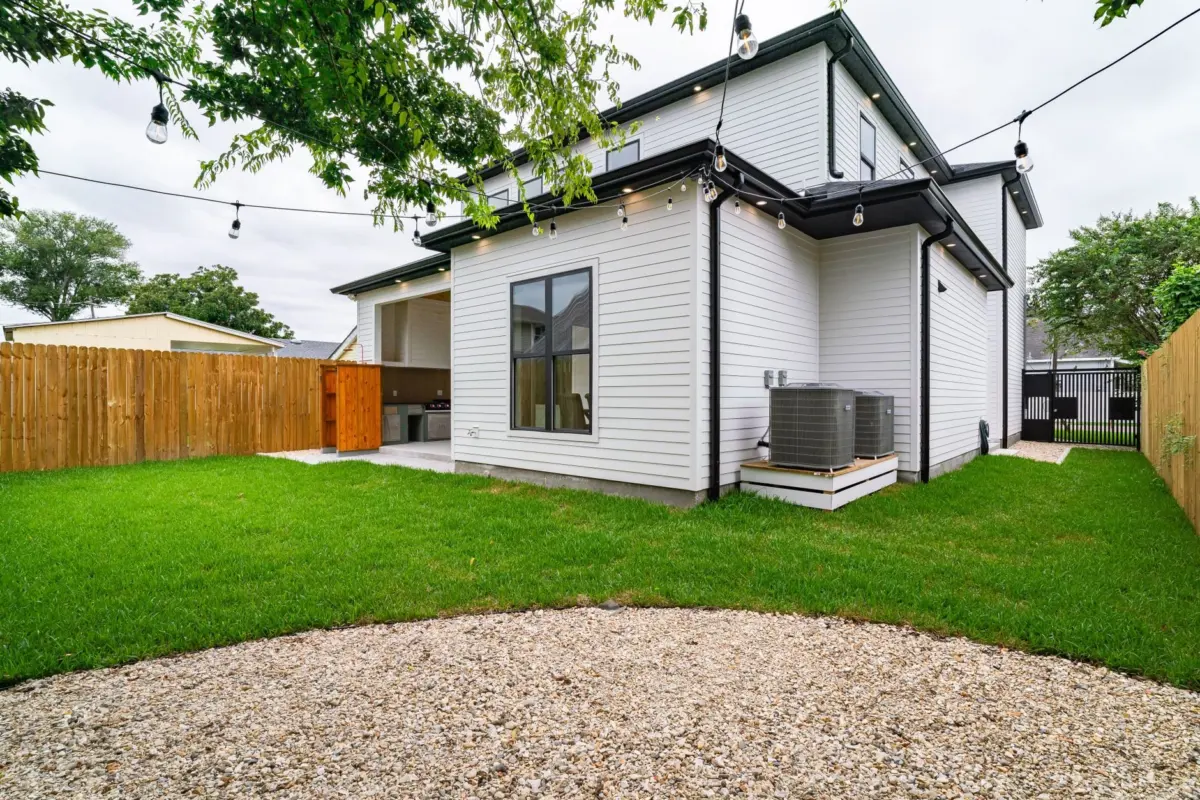
Gravel paths and patios
A DIY gravel patio has minimal installation costs, excellent drainage and plenty of design flexibility, as a Yahoo home and garden roundup notes. For the install, the Nationwide article advises removing existing turf and then putting down a layer of landscaping fabric to minimize weeds before the stone goes on.
The trade-off is upkeep. Gravel paths need raking and topping off every 1-2 years, and the same contractor guide suggests budgeting $50-$150 per year for fresh gravel. Gravel suits anyone who prefers a small recurring cost to a large upfront one. If you would rather lay a surface once and leave it, price pavers properly first.
Edging that makes cheap materials look intentional
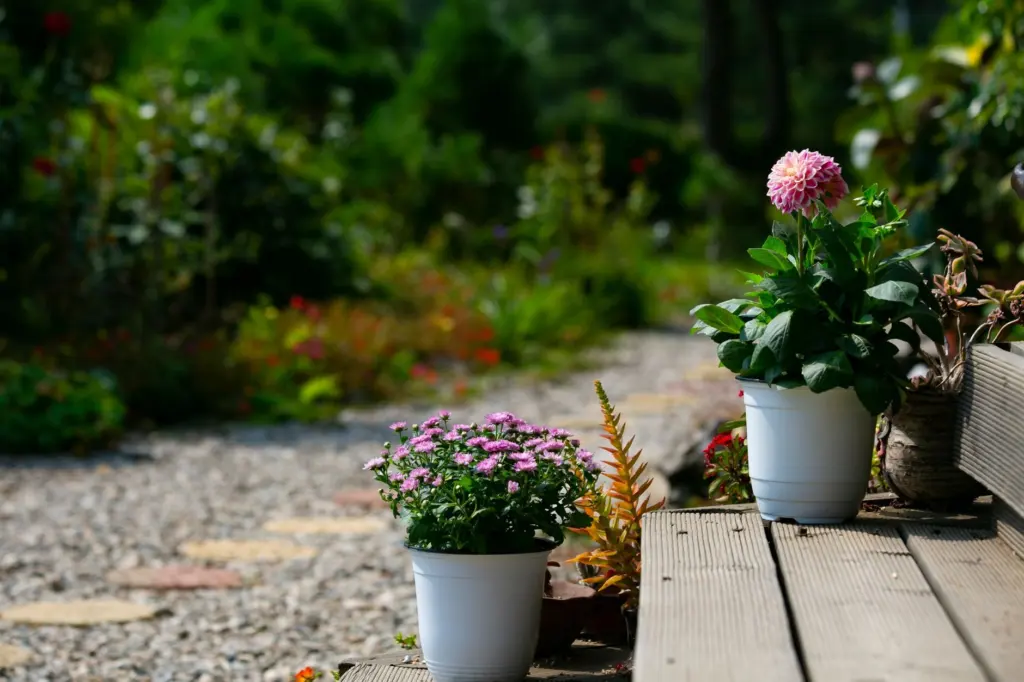
Edging is what separates a gravel path from a patch of spilled stone. Gravel drains instantly and looks intentional when edged properly, and metal, stone or concrete edging separates planting beds from lawn or gravel. The Calc Yard guide also recommends pairing a gravel garden with sturdy edging and clustered plants rather than spreading loose stone indiscriminately.
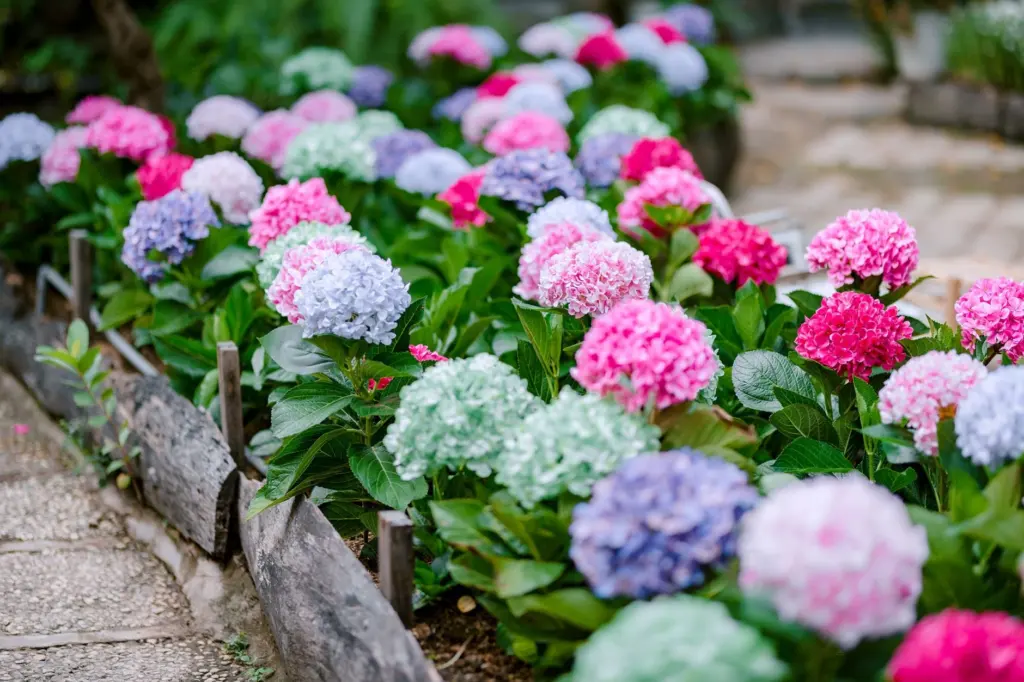
With the edging line costing only $30-$60 on the 200 sq ft patio estimate above, it is the cheapest way to raise how finished the project looks.
When pavers still earn their cost
Permeable pavers suit a small seating pad where a firm, flat surface matters. Keep them to the spot where you actually sit and use gravel for the rest. Gravel is the choice for a long path or a large area, because it costs much less than mortared flagstone or pavers.
Gravel also pairs well with dry-climate planting, and the front-yard approach in Front Yard Desert Landscaping Ideas: Stylish, Low‑Water Curb Appeal for 2026 shows how far a stone-and-drought-tolerant scheme can go.
Mulch and bulk buying
Mulch is the cheapest way to make a bed look finished. A Yahoo guide to low-cost upgrades says mulch gives beds a polished look while retaining soil moisture and suppressing weeds. That means it saves on watering and weeding as well as improving appearance, which is why it ranks above most decorative additions.
How you buy it matters as much as what you buy. The Calc Yard guide says mulch, gravel, soil and compost are significantly cheaper per unit when purchased in bulk. Work out the total quantity you need across the project and order once, rather than collecting bags with each stage.
Plants that give the most value
Perennials give the best return on a plant budget because you pay once. The Nationwide article advises focusing on perennials that can overwinter in your climate zone, so you do not carry the cost of planting each year. Perennials and native plants also return year after year, need less water and resist pests and diseases, which reduces maintenance costs according to the Yahoo upgrades guide.
Choosing between plant types
- Inexpensive perennials such as irises. These create a lush, low-maintenance garden and suit anyone wanting a full bed without yearly replanting.
- Ornamental grasses. They add low-maintenance texture and remove the need to replant seasonally with flowers, so they suit exposed spots where annual colour would be a recurring expense.
- Vines. They can quickly fill barren areas and provide extensive coverage at relatively little expense, which makes them the pick for bare fences or walls. In a tight yard, pair them with the layouts in Small Backyard Garden Ideas: 12 Clever Ways To Maximize Space In 2026.
Whichever you choose, the plants only deliver this value if the soil work described earlier has been done, so do not spend the plant budget before the ground is ready.
Frequently asked questions
How often does mulch need replacing, and where should it go?
Mulch decomposes and needs replenishing every 1-2 years, according to The Calc Yard. Avoid piling it against stems, trunks or building siding.
Is there a cheap fix for a broken patio slab?
Yes. The Nationwide article suggests covering a broken slab with a layer of pea gravel instead of replacing it.
Where can I buy plants for less?
The same Nationwide article recommends shopping wholesale nurseries and end-of-blooming-season sales to stretch the plant budget.
Can I build outdoor seating myself?
If you are handy, yes. Nationwide suggests building your own seating from materials bought at a home-supply store, which keeps seating costs down while the rest of the yard takes priority.