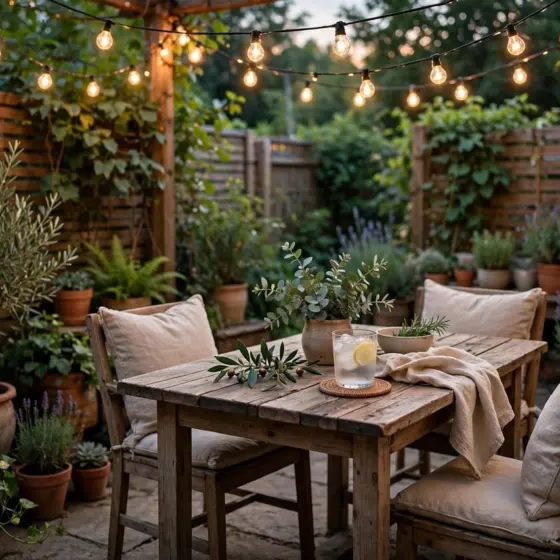
The most effective deck decorating ideas on a budget are a defined seating area, evening light and container plants, with furniture painted or bought secondhand. The main condition is sun and moisture, so pick finishes and rugs that cope.
This guide starts with the deck surface, then covers budget tiers, furniture, rugs, plants, lighting and small-deck layouts. It sits alongside our wider patio ideas with plants and the rest of our Outdoor Living guides.
How a deck’s conditions shape what lasts
A deck takes direct sun and rain, and everything you add sits on a surface that reacts to both. Consumer Reports points out that on a stained wood deck, a rug keeps the covered area damp longer than the rest of the deck, which encourages mildew. Mildew is a nuisance rather than permanent damage, because it can be removed with a bleach solution. The practical lesson is that decorating a deck is partly a moisture-management job, and the cheapest mistakes to avoid are the ones that trap damp.
That is why the order of work matters. A sensible sequence is:
- Treat the surface first. If the deck needs staining, Consumer Reports advises a stain specifically engineered to resist color change from sun exposure, and a mildew-resistant finish. Doing this before furniture and rugs go down avoids moving everything later.
- Sort the seating. Refresh or replace furniture before buying anything to match it.
- Add a rug to anchor the seating zone. Buy it once you know the furniture footprint.
- Layer in light and plants. These are the cheapest, most easily changed finishing touches, so they come last.
Budget tiers for deck styling
Deck costs split into a low-cost refresh of small items and a few larger purchases, with the rug usually the biggest single line. The table gives the figures that are publicly stated and how to use them when you plan.
| Item | Budget range | Planning use |
|---|---|---|
| Set of inexpensive refresh changes | Less than $50, plants not included | A realistic starting tier for small accessories and updates; budget plants separately. |
| Secondhand metal chairs | $6 each at a yard sale | Shows how low secondhand seating can go; paint can unify mismatched pieces. |
| 8×10 outdoor rug | Starts around $125; can exceed $1,000 depending on style and construction | Usually the largest single purchase, so decide it before smaller extras. |
Rug pricing comes from the Consumer Reports outdoor rug guide, while the refresh and secondhand figures come from one homeowner’s summer deck makeover.
- Lowest tier. Stick to inexpensive changes and keep plants as a separate line, since the homeowner’s refresh under $50 did not include them. This tier suits a deck that already has usable furniture and a sound surface.
- Middle tier. Add a rug at the starting price, and paint or secondhand seating to bring the furniture together. This suits a deck where the seating area needs defining and the existing pieces are a mismatch.
- Higher tier. The extra spend on a rug buys style and construction. Traditional hand-knotted rugs cost far more because of the labor involved, while synthetic fibers are inexpensive to make, so a synthetic rug is the sensible choice for most budget projects.
Rugs, furniture and paint
Refreshing furniture you already own
Paint is the cheapest way to change how a deck looks. Decks.com suggests giving old furniture new life with weather-resistant spray paint, and the homeowner behind the summer makeover says wicker can be updated with spray paint too. The product matters as much as the color. On metal chairs, that homeowner got much better results from front door paint with a seal coat than from chalk paint applied without polyurethane. Paint changes appearance, not construction, so it suits pieces whose frames are already sound.
Choosing a rug
A rug gives loose furniture a visible boundary and makes a bare deck read as a room. Consumer Reports recommends polypropylene, also called olefin, for outdoor use. Because price tracks style and construction, a plain synthetic weave gives the look for the least money. Be selective about where it goes, because of the damp issue described above. Sizing, lifespan and material details are in the questions at the end.
Container plants on a deck
Potted plants and herbs are the simplest way to add color, texture and a natural feel, as Decks.com notes in its list of budget updates. What suits a deck depends mostly on how much sun it gets and how much watering you will do. The homeowner behind one deck makeover kept hanging ferns watered and trimmed, and they looked great. The same homeowner’s impatiens received a great deal of afternoon sun in North Carolina heat and needed diligent watering. If your deck is a hot, sunny spot and you want low effort, choose plants for that exposure rather than for looks alone.
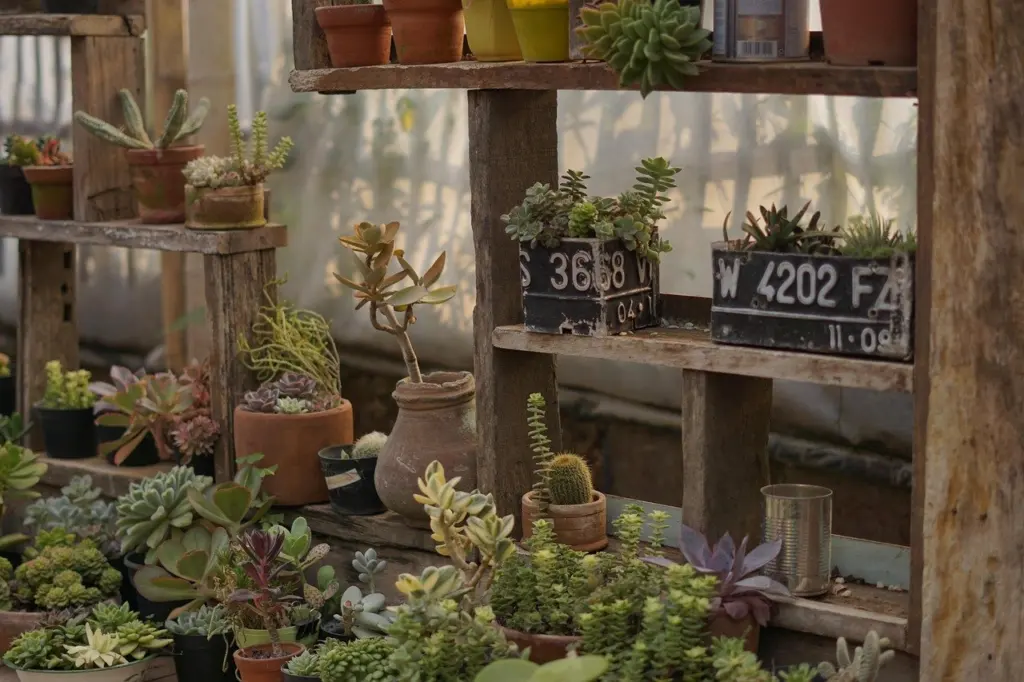
Treat plants as their own budget line. They were left out of the homeowner’s refresh costing under $50, so allow for them separately.
Evening lighting and fire
String lights
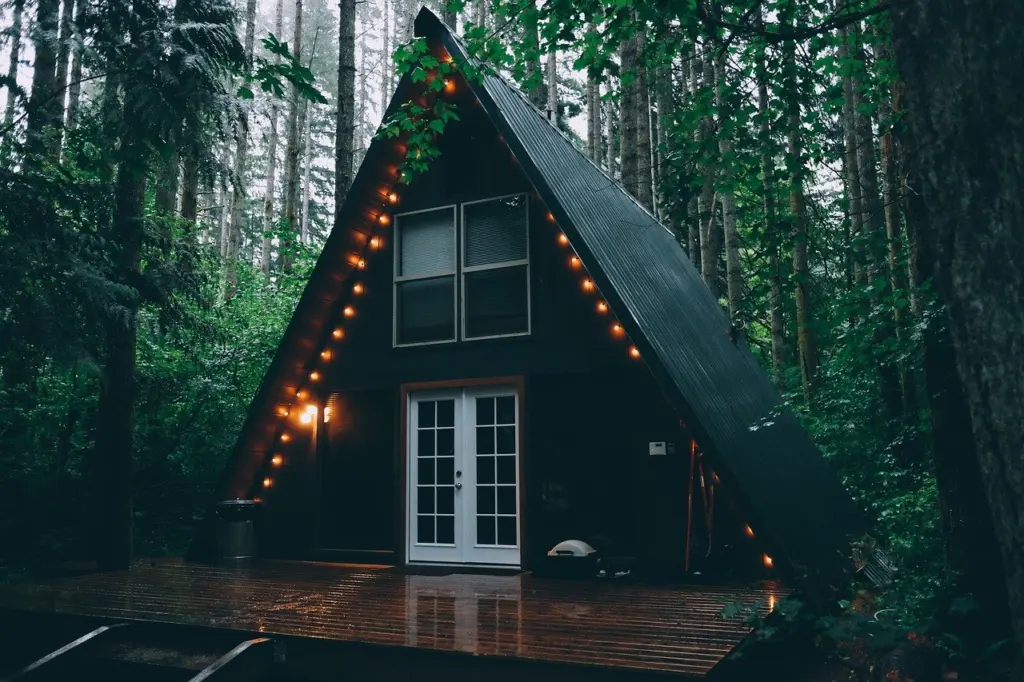
String lights are a simple way to make a deck usable once the sun goes down. Decks.com recommends hanging them to create a warm, inviting atmosphere once the sun goes down. They also work well alongside plants and a rug, because the light falls on the zone you have just defined.
Fire pits on a wood or composite deck
Heat is the one finishing touch that needs caution. According to Decks.com, wood fire pits do not mix with wooden or composite decks, and it recommends an electric fire pit instead. For seating arrangements and safety around a fire feature, see Cozy Fire Pit Seating Ideas: Smart Layouts, Materials, and Safety Tips for 2026.
Styling a small deck
On a small deck, the aim is to keep the centre clear and put every item to work. From House To Home advises arranging seating around the edges, which gives more usable space on a small patio or deck. Several other choices follow the same logic:
- Table size. If you want a round table, look for one a maximum of 42 inches wide, since 48 inches is too big for a small space.
- Side tables. Ceramic garden stools can serve as small side tables and are easy to move.
- Vertical planters. Decks.com notes that these add greenery without taking up valuable floor space.
- Rug color. A darker, bold rug dries more slowly than lighter outdoor rugs, so on a small deck choose a lighter rug or place it in a covered area.
Surrounding a small deck with plants also makes it feel intimate, according to the same From House To Home guide. If neighbours overlook the space, our Backyard Privacy Ideas: Smart, Stylish Ways To Create Seclusion In 2026 guide covers screening options in more depth.
Frequently asked questions
How big should an outdoor rug be for deck furniture?
Consumer Reports advises leaving at least 6 inches of rug to spare on all sides of your outdoor furniture, so the pieces sit on the rug rather than half on and half off it. Details are in its outdoor rug guide.
Which rug material suits a deck?
Polypropylene, also called olefin, is the material recommended for outdoors in the Consumer Reports guide, which notes its breathability and moisture wicking. No rug is weatherproof, but UV-treated polypropylene yarns can resist fading.
How long does an outdoor rug last?
Consumer Reports puts the useful life of outdoor rugs at around three to seven years, and it can be shorter in humid or subtropical climates, according to its buying guide. Factor that replacement cycle into the price you are willing to pay.
When is the cheapest time to buy deck plants?
One homeowner advises waiting until Memorial Day weekend, because plants are usually on sale somewhere then, as described in their deck makeover post. This is a general retail pattern rather than a guarantee, so compare local prices.