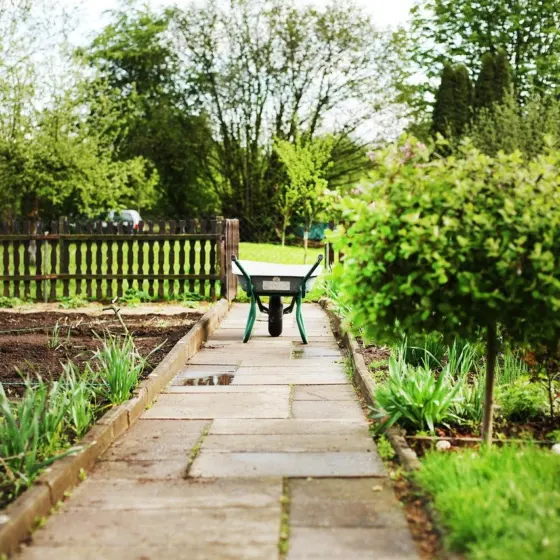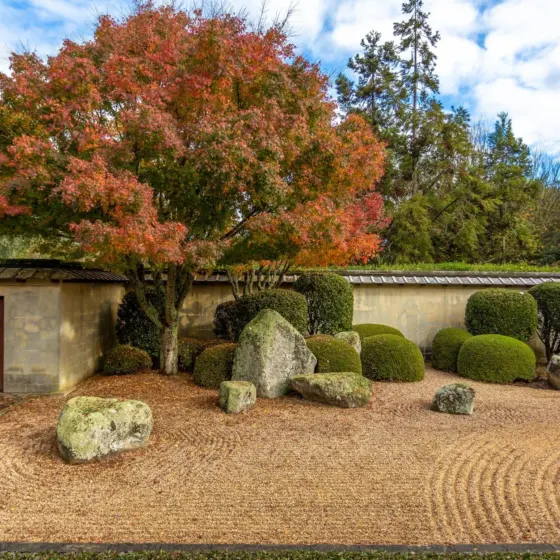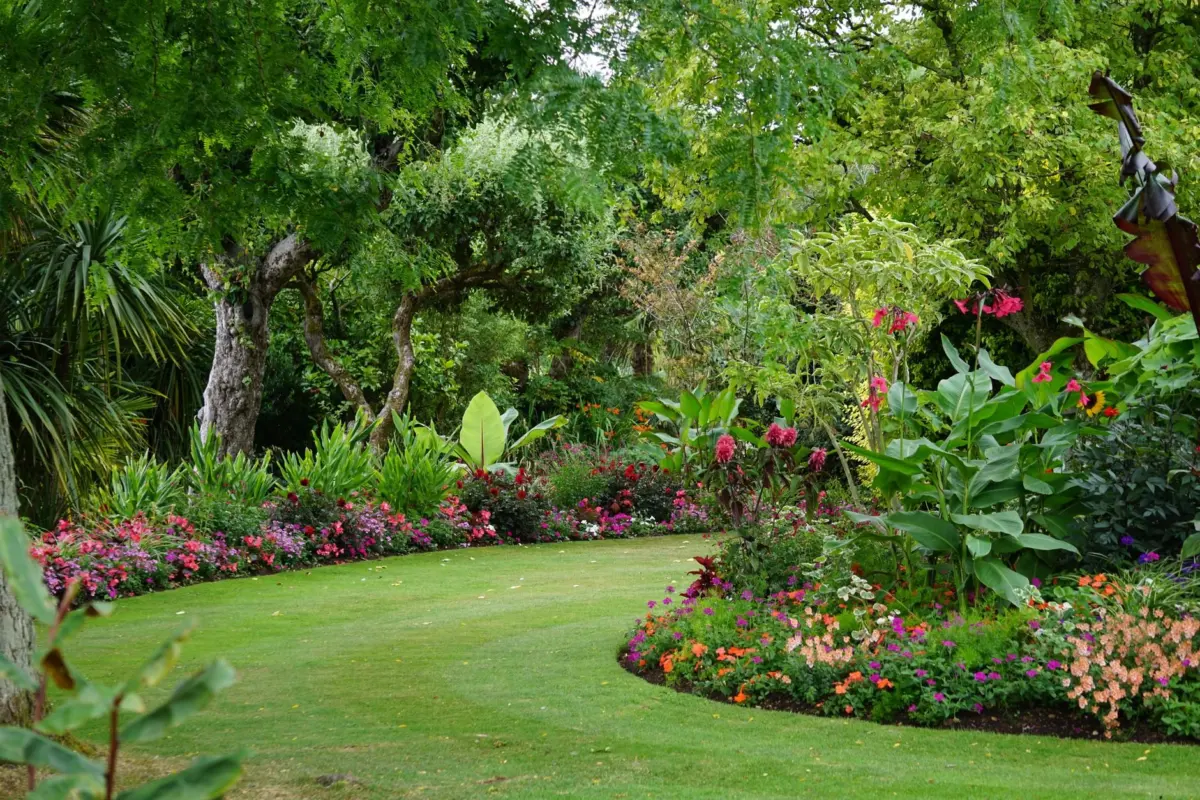
A bare patch of lawn, a shady corner or a cramped front yard all call for garden design ideas built on the same start: record sun and shade, measure the space, then choose a layout style and plants to match.
This page is the starting map. Choose the route below that matches the ground you have today, and use the wider Garden Design Ideas guide when you want more inspiration once the basics are settled.
Choose your starting route
Most gardens go wrong because planting begins before the site has been read. The routes below sort the common starting points by what the reader is trying to achieve, and each one leads into a section further down the page.
- Bare ground and no plan yet. Begin with the planning route. A measured sketch and a record of sunlight make every later choice easier, from bed shapes to plant selection.
- A style in mind. Compare the layout styles in the table, then read the border and cottage garden sections. Style is mainly a question of line, grouping and how much water the planting needs.
- A dark or tree-covered site. Go to the shade garden section. For plant ideas that keep flowering in low light, Shade-Savvy Perennials That Bloom All Summer: 2026 Guide To Bright, Low-Light Borders goes deeper than this overview.
- Very little space. The small garden section covers containers, gravel and herbs, and Small Backyard Garden Ideas: 12 Clever Ways To Maximize Space In 2026 extends those ideas for a backyard.
- A front yard that needs to look good with little effort. Read the front yard section, then continue with Front Yard Landscaping Ideas: 10 Easy Upgrades To Boost Curb Appeal In 2026 for upgrades that can be done in stages.
Anyone who is unsure should follow the planning route first. It costs nothing but time, and it prevents the usual mistakes of beds that are too narrow, plants set too close together and shade-lovers placed in full sun.
Planning a garden layout
A garden layout starts with information about the site rather than with a style. Extension guidance on planning beds advises measuring the space and observing and recording the pattern of sun and shade over the course of the day before deciding where anything goes.
That one habit separates a plan that works from one that only looks good on paper. A bed that appears sunny at midday may sit in shade all morning and evening, and plants sold for full sun will sulk there. Checking the light at several times of day gives the layout an honest foundation.
A route from empty space to drawn plan
- Measure the plot. Record the length and width of the area and the position of fixed features such as the house, fences, trees, taps and utility covers. Accurate measurements are what make the finished design reproducible rather than approximate.
- Record the light. Note which parts of the space receive sun, which are in part shade and which stay in shade, and when. Label each zone on the sketch using those three terms, because plant labels use the same terms.
- Check the soil. Assess the soil and its drainage before drawing bed edges, since poor drainage may decide where beds can go. The FAQ below gives the extension benchmarks.
- Draw it to scale. Transfer the measurements to paper using a simple scale, then mark existing features and the light zones. Sketch bed shapes in pencil so they can be moved freely.
- Place the structure first. Position the paths, the main focal point and the largest plants before filling in smaller ones. Structure carries the garden through seasons when flowers are absent.
- Mark out on the ground. Before digging, lay a hose or rope along the proposed curves and look at them from the house and from where people will sit. Adjust until the lines look natural from both positions.

Layouts for growing food
Edible gardens add a practical test to the design: beds must be reachable and the light must suit the crop. A vegetable garden layout follows the same site-reading steps, but it places the sunniest ground and the easiest access first. A raised bed garden layout suits sites where drainage is poor or the soil is difficult, because the bed contents can be chosen rather than inherited.
Defining the edges
Clean edges make a plan readable on the ground. Where beds meet lawn or paths, the edge is what holds the curve you drew. The options are weighed in more depth in garden edging ideas, and the choice usually comes down to how crisp the line should look and how much trimming the owner is willing to do.
Layout styles compared
Style decides how the lines run, how plants are grouped and how much work the planting asks for. The table sets four styles against the same criteria so the choice can be matched to the site and the amount of upkeep available.
| Style | Defining features | Planning use |
|---|---|---|
| Traditional, including cottage gardens | Curving lines, rounded corners and more flowers | Suits gardeners who want generous flower displays and softly shaped beds beside a house. |
| Informal planting | No straight lines and naturalistic groupings, without recognisable shapes or patterns | Suits irregular plots, because beds can follow the site rather than a grid. |
| Grassland-style planting | Plants clustered in masses, which keeps the design legible from near and far | Suits larger borders that are seen from a distance as well as up close. |
| Xeriscape | Little to no irrigation, permeable gravel or mulch and climate-adapted plants | Suits dry or water-restricted sites where low upkeep matters more than lush flowers. |
These style definitions come from a landscape design guide to garden styles.
The practical lesson is that style and site must agree. A formal grid fights a sloping, irregular plot, while a loose informal scheme can look untidy in a tiny square yard unless the edges are crisp. Choose the style that the site already suggests, then use plants and materials to push it further.
Flower borders and what goes in them
A flower border is a planted strip, usually backed by a fence, wall or hedge, and it is the most common building block of a designed garden. A mixed border is the most flexible answer to what goes in a border: gardening guidance describes dressing up a yard with a mixed border of annuals, perennials and shrubs.
Each group does a different job. Shrubs give the border structure and carry it through leafless months. Perennials return each year and provide the main flowering display. Annuals fill gaps and bring bursts of colour in the first seasons, while the perennials and shrubs are still growing to their full size.
Mature size and spacing
Spacing is where a border is won or lost. Plants set at their nursery size look sparse on day one, so the temptation is to pack them in, and the result is crowding a season or two later. The reliable approach is to read each plant’s mature height and spread on its label or in a regional extension plant database, and to space plants using the mature spread rather than the size in the pot.
Some plants need extra thought. Gardening guidance notes that perennial herbs should go where they have plenty of room to spread, so a border position with open space around it suits them better than a tight gap between established shrubs.
For depth, place the tallest plants at the back and the lowest at the front, with the mid-height plants between them. Where a border can be seen from both sides, such as an island bed, move the tall plants to the centre. The grassland-style principle of clustering plants in masses applies well here, because repeated groups of the same plant read clearly from the house and from the far end of the garden, while single specimens scattered along a border look spotty.
The cottage garden border
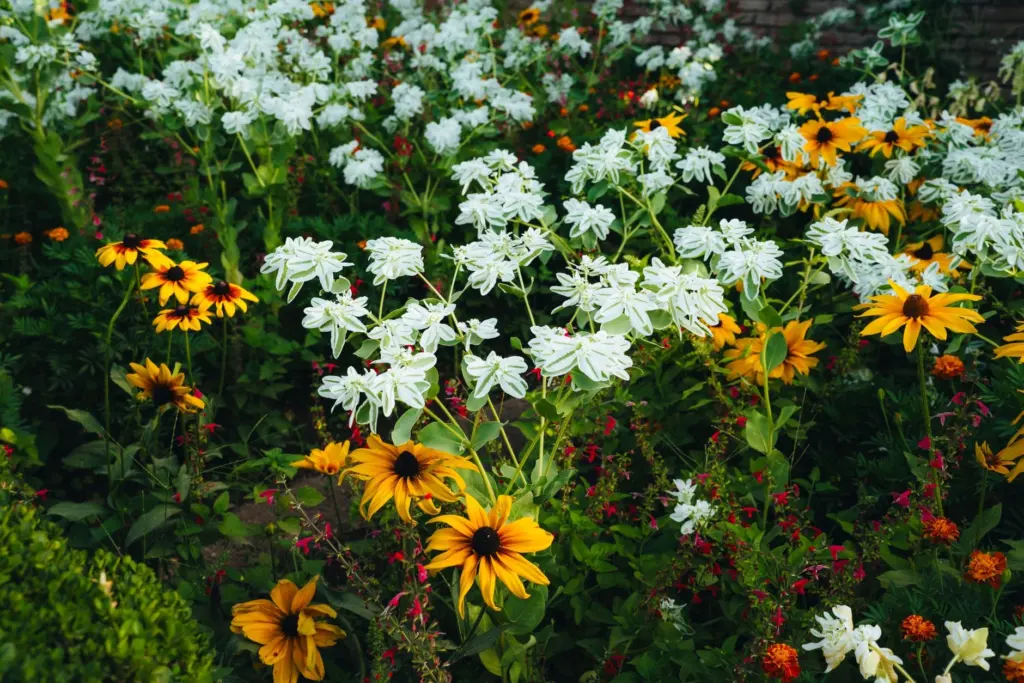
A cottage garden is the style most readers picture when they imagine a full, flowering border. One gardening guide describes it as a combination of old-time annuals and perennials, herbs and flowering shrubs that produces a simple, informal display. It sits within the traditional group of styles, with curving lines and rounded corners.
The look suits gardeners who like flowers for cutting and do not mind a slightly relaxed finish. It is less suited to anyone who wants a crisp, tailored garden, because the charm depends on plants mingling and softening the edges. For specific plant choices, Cottage Garden Plants: 25 Charming Choices And Simple Plans To Plant In 2026 supplies the planting detail, and Front Yard Cottage Garden Ideas: Charming, Low-Maintenance Designs For Small Spaces (2026) shows how to scale the look down to a front garden.
Focal points and paths
Focal points give the eye a place to rest, and paths give it a route. A garden without either tends to read as a collection of plants rather than a designed space. A flowering tree is one proven option, with gardening guidance suggesting you make your garden pop with a flowering tree as a focal point.
The best focal point sits at the end of a sightline, for example at the end of a path or opposite a main window, so that it is seen from the places where people actually spend time. Plantings and ornaments that sit off to the side may be pretty but do little to organise the space. Because a tree takes years to reach its full size, the planting position should allow for its mature spread rather than the size it is bought at.
Designing the path
Paths do more than carry traffic: their shape sets the tone of the garden. A gently curving path matches the curving lines of traditional and informal styles, while a straight line suits a more formal scheme. Stepping stones set in lawn are a light-touch option, because they mark a route without breaking the green surface and can be moved if the plan changes.
The path should follow the way people actually walk, from the door to the shed, the bins or the seat. A path that ignores real habits gets short-cut, and a worn line across the lawn is a clear sign that the design needs to change. Mark proposed paths out with rope first, as in the planning route, and walk them before laying anything permanent.

Shade gardens
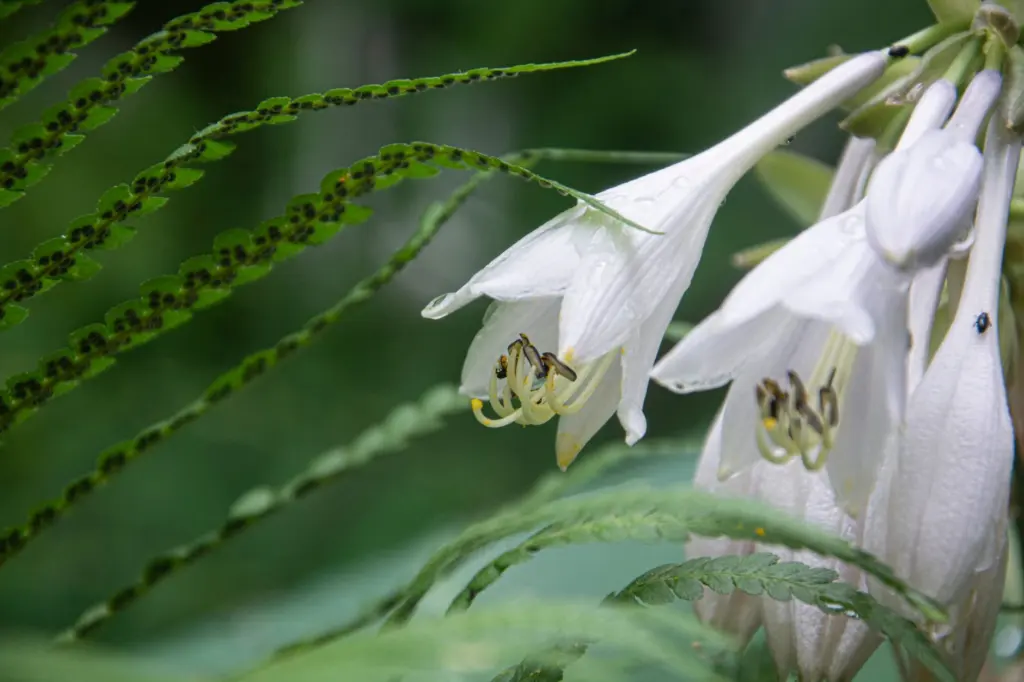
A shade garden is a planting scheme built around the light that is actually available, not one that fights it. Start with the light record described in the planning route and separate the site into part shade and full shade, since plants labelled for shade differ in how much sun they accept.
Shade is not a limitation on colour or interest. Foliage carries a shade garden: leaf shape, texture and tone matter more than flowers, and a bed that pairs broad-leaved plants with feathery ones has plenty of contrast. Design guidance also points out that many tropical plants tolerate some shade because they adapted to life beneath tree canopies, which makes them an option when a lush look is wanted under trees.
A note on judgement: some tropical species suit part shade, not deep shade, so the answer to which plants suit a shady garden always depends on how dark the spot really is. Choose plants whose label matches the light zone on the sketch rather than a plant that merely looks right.
Making a shady bed work
Group plants in generous clusters so the bed looks planned rather than patchy, and let the lightest foliage and flowers sit at the darkest points, where they stand out best. Where trees cast the shade, the ground beneath may be dry and root-filled, so plant into prepared soil and give new plants regular attention while they establish. For flowering choices that carry through summer, the shade perennials guide linked in the starting routes is the next stop.
Small gardens
A small garden works best when it is designed as one composed picture rather than a miniature version of a large one. Pick a single style, a small number of materials and a clear focal point, because repetition makes a small space feel intentional and calm.
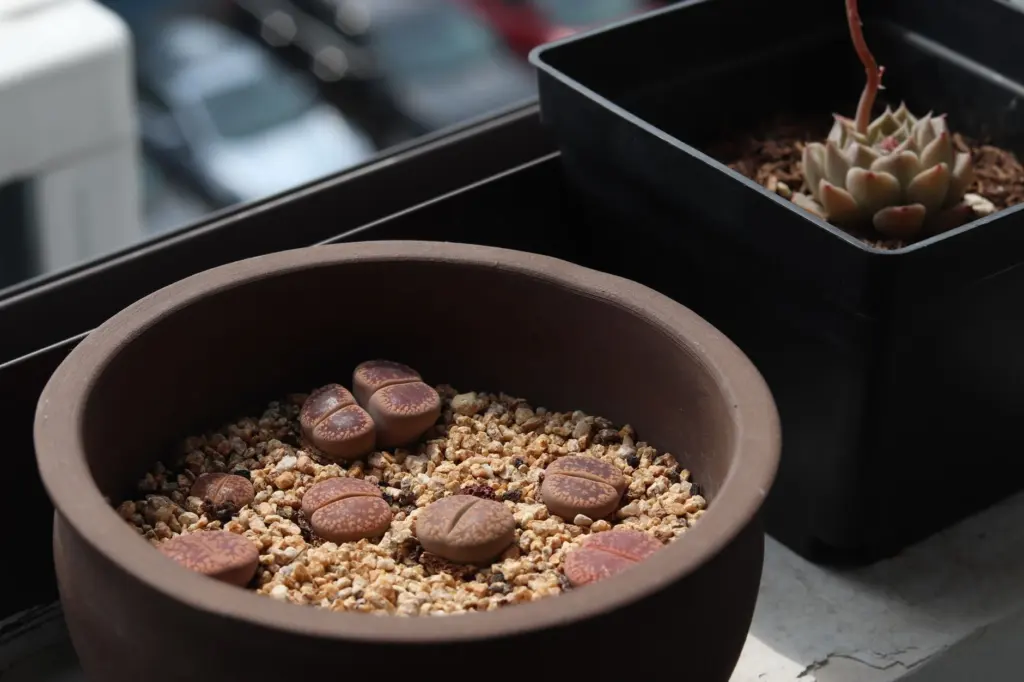
Containers are the small gardener’s main tool. Gardening guidance notes that even if your space is limited, you can grow herbs right outside your door, and a collection of pots by the door puts them within easy reach. Pots also make the design flexible, because plants can be moved to follow the light as the seasons change.
Gravel pairs well with containers. It gives a clean, permeable surface, and because it can be laid right up to the pots it avoids the need for lawn that is difficult to maintain in tiny spaces. Gravel and mulch are also associated with the low-water xeriscape approach, so a small gravel-and-pot garden can be a very low-effort option.
Themes that suit small spaces
Some design traditions are built for compact plots. Small Japanese Garden Ideas: Create A Serene Mini Retreat In Your Yard (2026) shows how restraint and a few well-chosen elements create calm in a modest yard. A small space can also hold something personal: Small Memorial Garden Ideas: Create A Meaningful Tribute In Any Small Space (2026 Guide) shows how a single bed or corner can serve as a quiet tribute.
Whatever the theme, the same discipline applies. Limit the plant palette, avoid scattering small features around the edges, and let one element take the lead. A small garden that tries to include everything ends up looking cluttered, while one that commits to a clear idea looks larger than it is.
Front yard landscaping
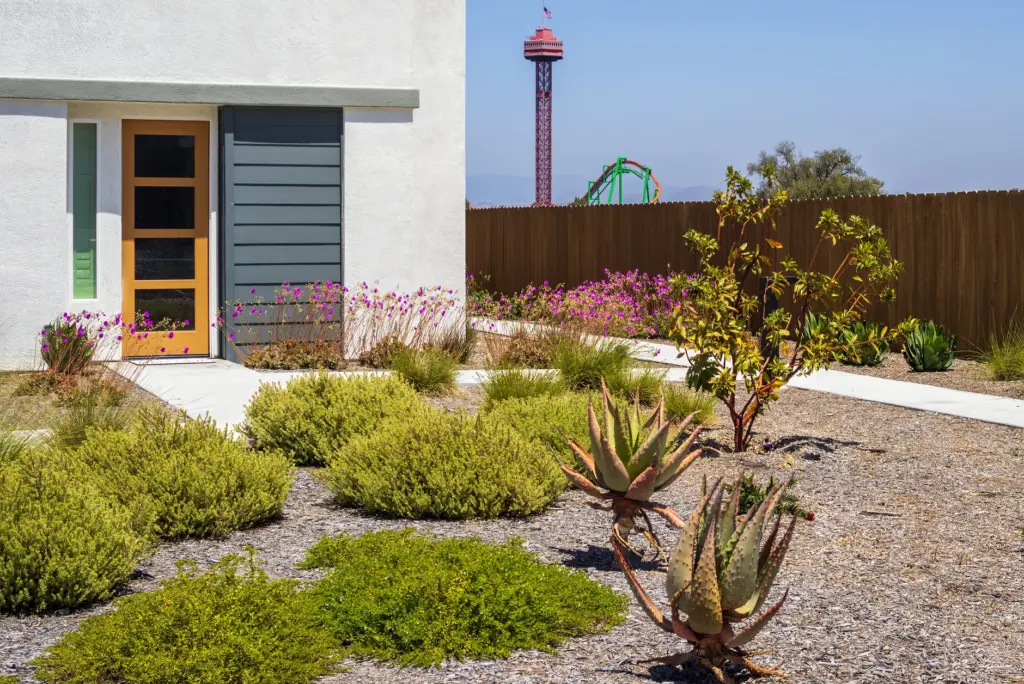
A front yard has to look good from the street, welcome visitors to the door and ask for little upkeep. The mixed border solution applies here as well: guidance on dressing up the front yard suggests a mixed border of annuals, perennials and shrubs, and the shrubs in that mix give year-round structure even when little is in flower.
The path to the door is the organising line of a front yard, and the planting should frame it rather than hide it. Keep the area beside the entrance uncluttered, put the main focal point where it can be seen from the street, and keep shrubs trimmed back from the walkway.
Keeping a front yard low-maintenance
The most direct route to low upkeep is to match plants to the climate and cover the soil. Design guidance describes xeriscape as a style that requires little to no irrigation, and describes xeriscape yards as super low-maintenance, pairing permeable gravel or mulch with climate-adapted plants. That approach suits hot or dry areas and households that do not want to water.
Where a lawn-and-border look is wanted instead, the same logic holds on a smaller scale: use fewer plant types in larger groups, mulch the beds and keep the shapes simple. Complicated beds with many small plants always demand more attention than a few bold masses.
Front yards with special conditions
Some sites need a tailored approach. Where the ground falls away, Sloped Front Yard Landscaping Ideas: 12 Stylish, Low-Maintenance Solutions For Any Grade covers planting and structure for a grade. Awkward junctions, where two boundaries meet, are the subject of Corner Landscaping Ideas For Your Front Yard: 12 Stylish, Low‑Maintenance Designs To Transform Awkward Spaces.
In dry regions, Front Yard Desert Landscaping Ideas: Stylish, Low‑Water Curb Appeal for 2026 develops the low-water approach, and for yards where stone is the main material, Front Yard Rock Landscaping: Practical Ideas To Boost Curb Appeal In 2026 explains how to use rock without making the yard look bare.
Frequently asked questions
| Question | Answer |
|---|---|
| How much organic matter should garden soil contain? | Extension guidance gives a common recommendation of perhaps 6 to 10 % organic matter. Treat it as a general benchmark rather than a strict target. |
| How can drainage be checked before laying out beds? | Extension describes a test-hole check in which the water level is watched over time, with a drop of 6 inches in 4 hours as the marker it mentions. Slow-draining ground may suit raised beds better than digging in. |
| Where should perennial herbs go in a design? | Choose a spot where they have plenty of room to spread, which usually means an open corner of a border rather than a tight gap between shrubs. |