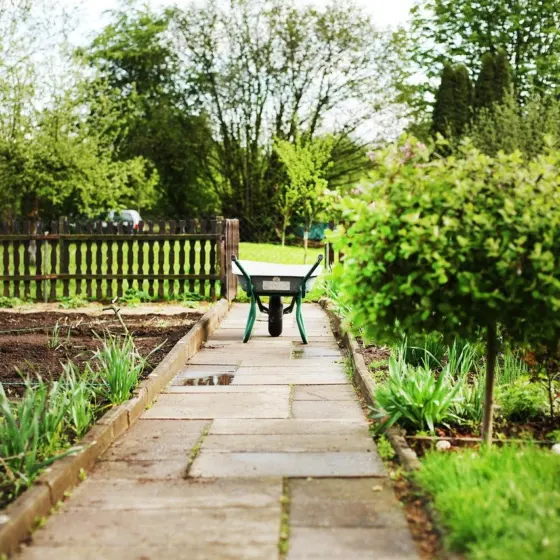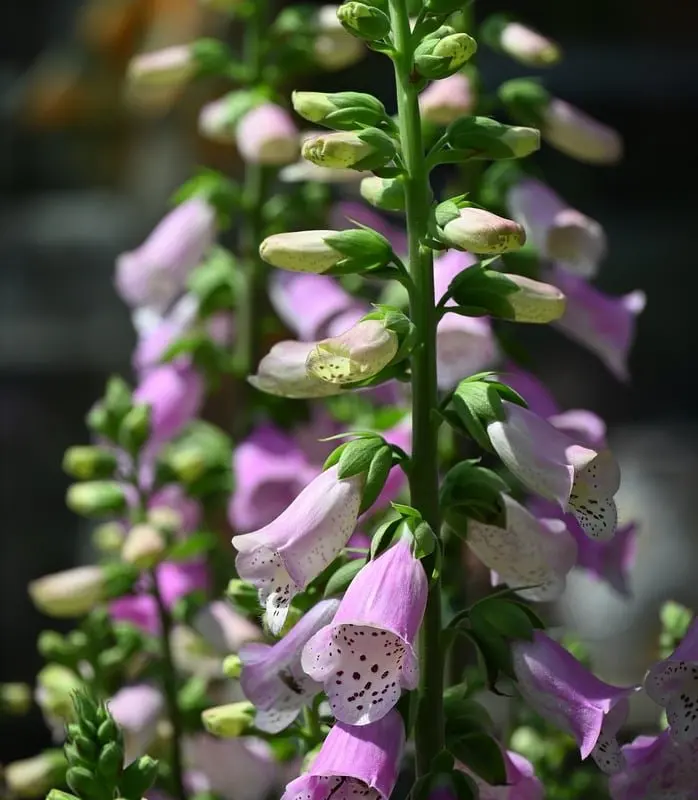
Picture a border that should look abundant, not messy. Cottage garden plants get you there when tall foxgloves, delphiniums and hollyhocks stand behind roses, peonies and lavender, and everything is planted close together.
Most disappointments come from myths about the style rather than from the plants. The sections below correct them, and our wider guide to garden design ideas shows where a cottage border fits among other planting styles. More plans sit in the Garden Design category.
Common myths about the cottage look
The style is looser than most gardeners expect, and that is deliberate. A plant breeder’s cottage garden guide says there are no hard-and-fast rules for a cottage-style look. A perennial nursery describes the approach as low-care perennials combined in a natural, informal style. In practice, choose perennials you will actually keep up with and let them mingle, rather than copying a fixed template.
| Common belief | What holds up | What to do |
|---|---|---|
| A cottage garden needs strict design rules | There are no hard-and-fast rules for creating the look | Start from plants that suit your site, then arrange them informally |
| Beds need generous gaps and thick mulch | Plants are set closely, and not a lot of mulch is needed | Plant densely, but still follow each plant’s recommended spacing |
| Every cottage plant wants full sun | Foxglove is a biennial that is happiest in part shade with adequate moisture | Give foxgloves a shadier, moister pocket than the sun lovers |
| Tall plants can stand alone in open ground | Hollyhocks flourish in full sun with a wind barrier such as other plants or a fence | Back tall plants against a fence or sturdier neighbours |
These points draw on the breeder’s cottage-style guidance and a nursery’s perennial profiles for cottage borders.
The third and fourth rows shape plant choice most. Light and wind decide where each plant goes, long before colour scheme does. The layout section below turns that into placement.
Cottage garden plants by season
Sorting cottage garden plants by bloom time stops a border peaking briefly and sulking for the rest. The plants here have documented bloom windows or clear cottage-border roles. A cottage garden planting guide also lists anemone, Canterbury bells, hyssop, larkspur and penstemon alongside delphinium and foxglove, so those are sensible extra candidates once the core is in.
Winter to spring
Lenten rose opens the year. Riverbend Nurseries notes it blooms from winter to mid-spring, depending on variety, which makes it the earliest colour in this plant set. Catmint follows in late spring, with flowers rising above the foliage until early fall, so it bridges the gap between spring and summer.
Lavender ‘Sweet Romance’ covers a wider window. The breeder’s listing gives it 12-18 inches in height and width, spring-through-fall bloom and a full-sun position. That compact size suits the front edge of a bed, where the aromatic foliage and wand-like flowers sit within reach of a path.
Summer into fall
Summer is where the supported choices cluster, so this is the answer to which cottage garden plants bloom through summer. Hollyhock blooms from summer to fall in many colours. Black-eyed Susan blooms profusely in summer and multiplies each year, and deadheading encourages reblooming. Bee balm ‘Pardon My Rose’ flowers in summer at 14-18 inches tall and is hardy in zones 4-8, according to the breeder. Russian sage runs from early summer to mid-fall with lavender-coloured spikes above its foliage.
The practical pairing is long-windowed plants with shorter-lived ones. Russian sage, catmint and lavender keep the border flowering through the season. Black-eyed Susan and bee balm add a summer burst around them. Because hollyhock also runs into fall, a border built this way still has flowers when summer fades.
Tall spires and structure
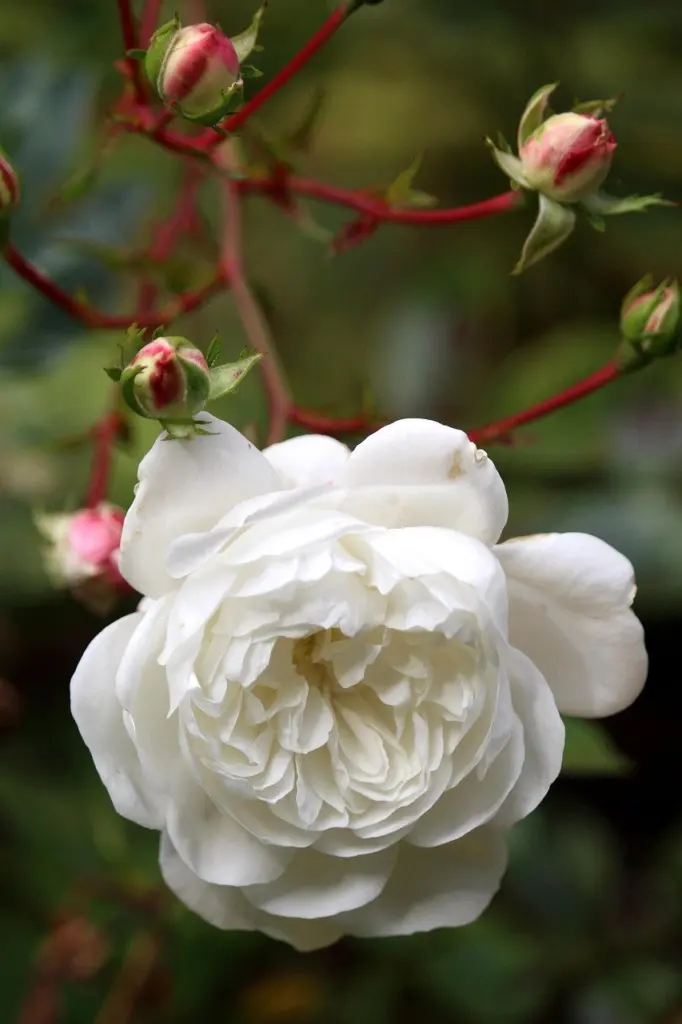
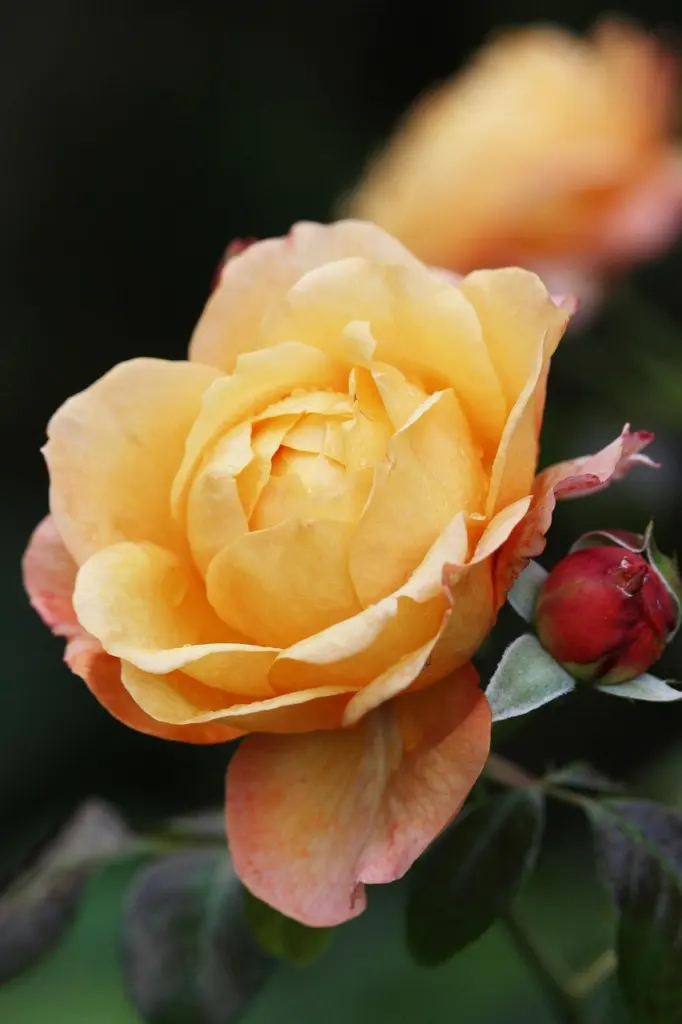
Foxglove and delphinium give the vertical accent. The nursery guide lists delphinium among traditional tall, architectural cottage plants, and foxglove is a biennial. Roses give the border its backbone, and the same planting guide pictures an arbor heavily draped in climbing roses marking the entrance. If you only have room for one structural feature, an arbor over the way in does more for the cottage feel than any single flower.
Bloom season and height at a glance
| Plant | Height | Bloom period | Planning use |
|---|---|---|---|
| Lenten rose | — | Winter to mid-spring, by variety | Earliest colour in the border |
| Catmint | — | Late spring to early fall | Long-running filler between larger plants |
| Lavender ‘Sweet Romance’ | 12-18 inches tall and wide | Spring through fall | Front-of-bed edging in full sun |
| Lavender (Lavandula x intermedia) | 24-26 inches | — | Larger lavender for the middle ground |
| Bee balm ‘Pardon My Rose’ | 14-18 inches | Summer | Compact mid-border plant for zones 4-8 |
| Black-eyed Susan | 2-3 feet, by variety | Summer | Reliable summer mass; multiplies yearly |
| Russian sage | — | Early summer to mid-fall | Late-season spikes above the foliage |
| Hollyhock | 3-8 feet, by variety | Summer to fall | Back of the bed, with a wind barrier |
| Foxglove | 3 feet | — | Vertical accent in part shade |
| Peony | 24-30 inches | — | Permanent mid-border anchor |
Figures come from the nursery’s cottage perennial list and the breeder’s cottage garden guide; the lavender and bee balm cultivar figures apply to those named selections only.
The hollyhock range is the widest here, so check the height of your chosen variety before fixing its position. A dash means no value is given for that plant, so choose by the cultivar’s own tag.
Laying out the border
A cottage layout works from the plants outward: heights set the order, light and soil set the zones, and supports add the vertical layer. For a street-facing plot, Front Yard Cottage Garden Ideas: Charming, Low-Maintenance Designs For Small Spaces (2026) applies these ideas to smaller frontages. If the bed sits on a grade, Sloped Front Yard Landscaping Ideas: 12 Stylish, Low-Maintenance Solutions For Any Grade covers the ground work first.
Match height to position
Use the table to sort plants into back, middle and front. Hollyhock, at 3-8 feet depending on variety, belongs at the back, ideally against a fence or among sturdier neighbours that supply the wind barrier it wants. Black-eyed Susan, peony and larger lavender fill the middle. Compact lavender and bee balm suit the front. Foxglove at about 3 feet can sit between the two tiers.
Site by light and soil
- Shade pockets: Per cottage garden planting advice, plants wanting partial shade or part sun go where shade from larger plants falls for more than 4-5 hours. Foxglove is the obvious candidate.
- Sun and drainage: Lavender wants full sun and, according to the breeder, well-drained soil.
- Keep them apart: Foxglove prefers moisture and part shade, while lavender wants sun and drainage. Plant them in separate zones rather than side by side.
Add vertical layers
Fences and walls are planting space in a cottage garden. Riverbend Nurseries suggests wisteria or a climbing rose to soften a fence, and trellises for vertical interest. A climbing rose is the easier choice for a small plot, because it covers a fence without taking up the bed in front of it.
Choose permanent spots for peonies
Peonies reward patience. Riverbend notes it usually takes a year or two for them to bloom well, and that they should not be moved after planting or set too deep. Decide their position before anything else goes in, and build the fillers around them.
Frequently asked questions
| Question | Answer |
|---|---|
| How far apart should foxgloves, peonies and lavender be planted? | The nursery’s spacing guidance is 14 inches for foxglove, 30 inches for peony and 2-3 feet for Lavandula x intermedia. |
| How often should perennial clumps be divided? | Divide them as needed, usually every 3-5 years, to maintain their comfort and vigour, as cottage garden planting advice puts it. |
| Do cottage gardens help wildlife? | A perennial nursery calls them a paradise for songbirds and pollinators, including hummingbirds, bees and butterflies. A separate nursery collection names foxglove as a garden classic for attracting bees and butterflies. |
| Where does the cottage garden style come from? | It originated in England hundreds of years ago, when families placed garden plots next to their rural cottages, according to the breeder’s guide. |