Think your courtyard corner or balcony is too small? Small Japanese garden ideas work at that scale: pick one focal point, a gravel or moss ground surface, a few well-chosen plants and a short path.
The style rewards restraint more than square footage. For wider layout thinking beyond this style, browse our garden design ideas. If the space also needs to hold a remembrance, the same edited approach carries over to Small Memorial Garden Ideas: Create A Meaningful Tribute In Any Small Space (2026 Guide).
What a small Japanese garden actually needs
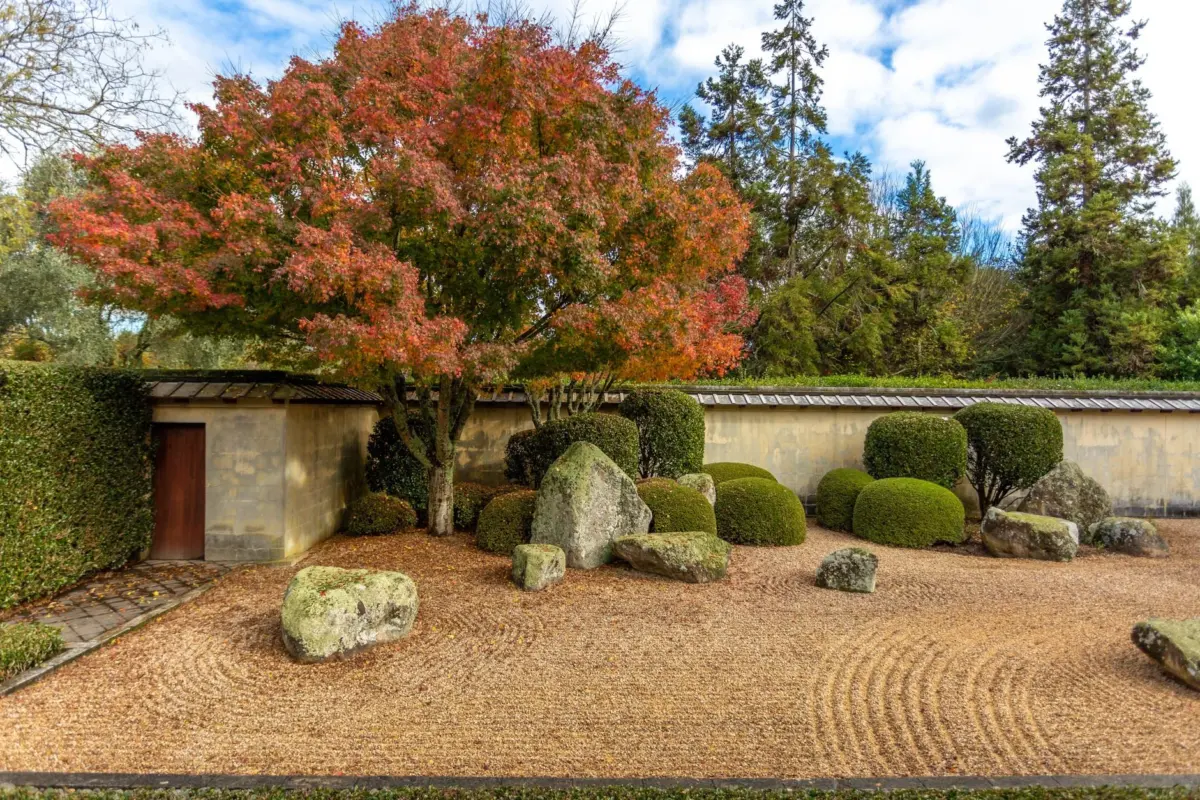
Most hesitation comes from three assumptions: that the plot must be large, that water means a pond, and that bamboo is a risk in a tight yard. Each one has a practical answer at small scale. The dry gravel style known as karesansui suits gardens from as small as 3 x 3 metres, and a courtyard corner of about 2 square meters can still hold a gravel bed. Choose the version that matches your footprint instead of shrinking a large design.

| Common assumption | What works in a small space | Planning use |
|---|---|---|
| You need a big plot | Karesansui suits gardens from as small as 3 x 3 metres; a dry gravel corner of about 2 square meters works | Start with the corner you already have and fill it with gravel, a few rocks and one feature |
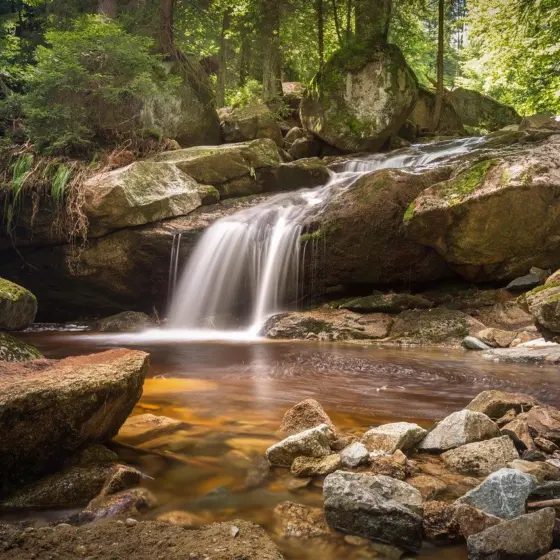
| A Japanese garden needs a pond | A raised basin replaces an in-ground pond on balconies; a single stone lantern or water spout adds texture | Pick a basin or spout when drainage, digging or weight limits rule out a pond |
| Bamboo will overrun a small yard | A strip of clumping bamboo as narrow as 60 cm along a wall is enough, with occasional thinning to stop crowding | Choose clumping types and plan a thinning visit instead of dropping bamboo altogether |
Dimensions and upkeep notes in the table follow small-garden layout guidance and karesansui design tips.
Focal points and gravel beds
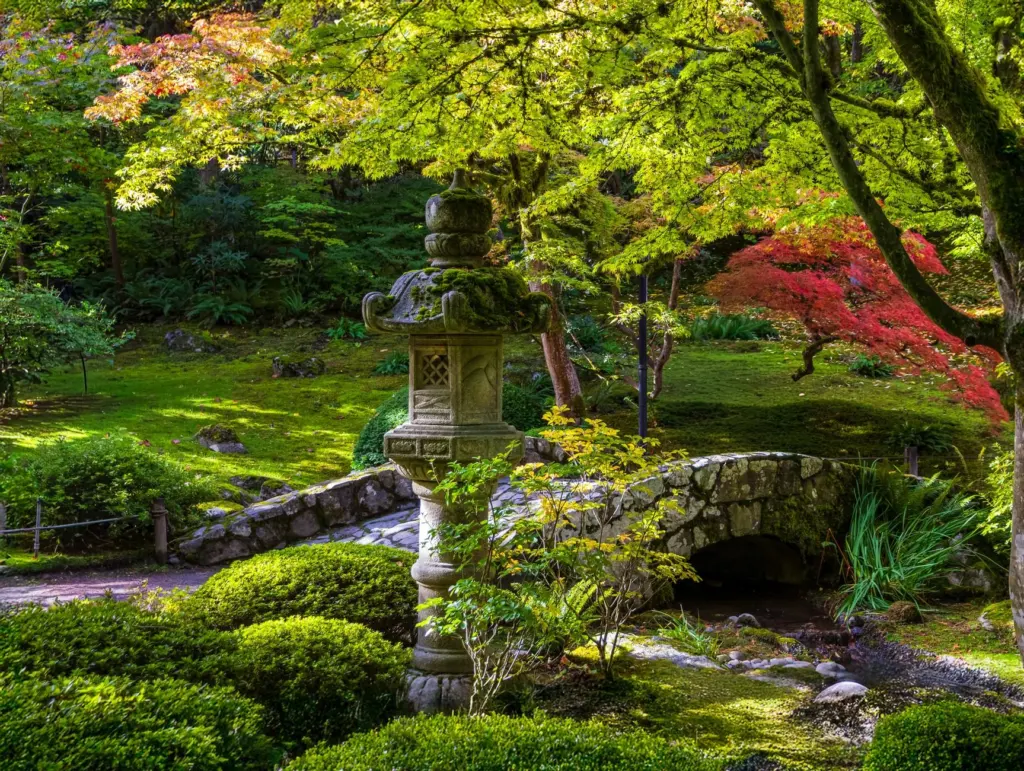
A crowded small garden fails because nothing leads the eye. Start with a clear focal point, such as a stone lantern or a water basin, and let everything else support it. In a tiny yard that means deciding what you will see from the seat or the door before buying a single plant.
Rocks do much of this work in gravel gardens. They often represent mountains and create dramatic focal points, so one well-placed boulder can replace several decorative objects. The gravel itself is laid as a bed usually 5 to 8 cm deep and raked around the placed rocks. That depth is a typical working range for a dry garden, not a rule for every site, and it is shallow enough to suit a courtyard corner.
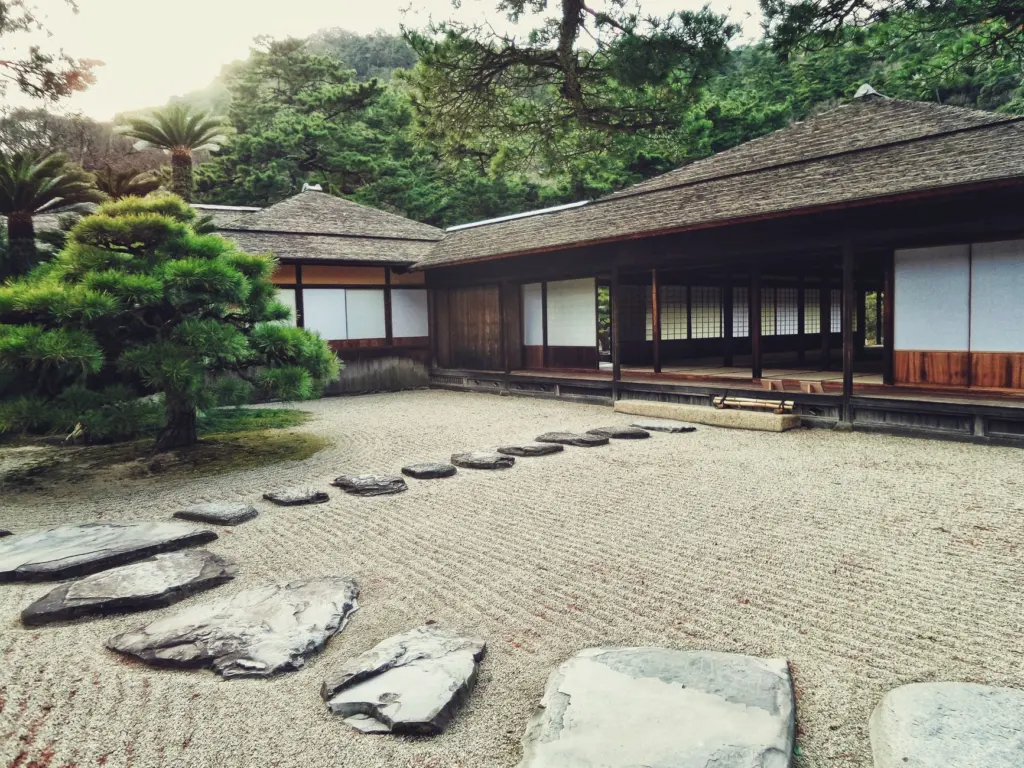
If your yard has mostly dry, gravelly ground and strong sun, the low-water thinking in Front Yard Desert Landscaping Ideas: Stylish, Low‑Water Curb Appeal for 2026 pairs well with a raked bed at the front of the house.
Paths and seating
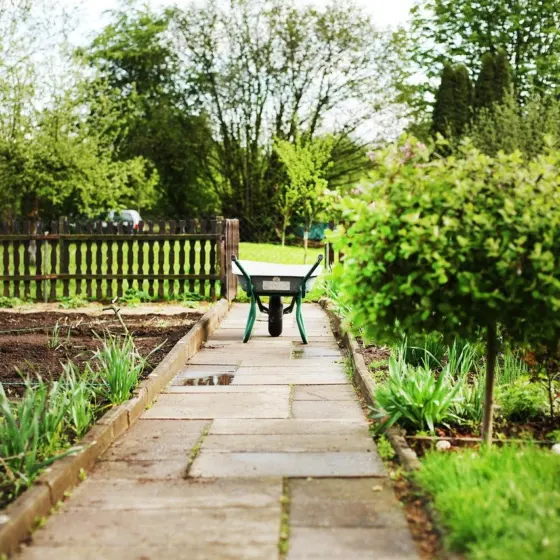
A path in a small Japanese garden is about direction, not travel. Stepping stones guide visitors through the space, and the usual method is to set irregular flat stones into a bed of moss or low ferns. The approach works in narrow side yards as tight as 1 meter wide, which makes it the best option for a passage that otherwise feels like a service corridor.
For seating, let the focal point decide. Place a bench or single seat so that you face the lantern, basin or rock group when you sit, and keep the seat simple so it does not compete with it. A bamboo screen behind the seat, covered below, gives the back of the garden a finished edge.
Plants for a mini Japanese garden
The planting misunderstanding is that a Japanese maple is automatically too big. The species can reach up to 25 feet tall, but dwarf varieties stay at a maximum of 2 to 4 feet, so the label on the plant matters more than the name. The table gives sizes and light needs for a short palette that suits compact beds.
| Plant | Mature size | Light and soil | Planning use |
|---|---|---|---|
| Japanese maple (Acer palmatum) | Up to 25 feet; dwarf varieties 2 to 4 feet | Sun to partial shade; moist but well-draining soil | Choose a dwarf variety for a small bed |
| Hakone grass | Up to 2 feet | Full shade or full sun; best in partial shade | A low planting beside a path or rocks |
| Mondo grass | – | Full sun or partial shade; moderately moist soil; drought tolerant once established | Flexible where light changes across the bed |
| Camellia japonica | Up to 15 feet | Partial shade to full shade | Needs room, so skip it for tight corners or balconies |
| Hosta | – | Partial shade to full shade; consistently moist soil | Works where you can keep the soil damp |
Sizes, light and soil preferences come from a Japanese garden plant guide.
Moss needs a different mindset, because it is a surface rather than a plant to place. It generally grows best in shade in moist, slightly acidic, low-nutrient soils. A sunny, dry yard is therefore a poor match for a moss carpet, and gravel is the better ground cover there.
Patios, balconies and tiny yards
Pots and basins
On a hard surface, containers replace the planting bed. A balcony can work if you group three to five pots of varying heights, which gives the layered look of a bed without soil depth or digging. Use a raised basin instead of an in-ground pond for the water element.
The centrepiece can be a tree. Growing a specimen acer in a pot contributes to the Japanese theme, and a dwarf variety is the safer choice for a container.
Bamboo screens and enclosure
Enclosure turns a patio corner into a room. Bamboo fencing or reed screens frame a small space, and bamboo is great for fences and screens in a zen garden. A screen suits renters and balcony gardeners, since it hides a neighbouring view and gives the focal point a backdrop without any planting.
Upkeep once it is built
Upkeep depends on which features you choose, so match them to the time you have.
- Gravel is the lightest option. A dry gravel garden needs relatively little ongoing maintenance beyond raking and weeding, which suits busy owners.
- Moss asks for steady moisture. It needs consistent shade and moisture, so you water lightly during dry spells. It suits a shaded corner where a hose or watering can is close.
- Moisture-loving plants set the routine. Hostas want consistently moist soil and a maple wants moist but well-draining soil, so grouping them in one watered zone keeps the work simple.
If you want the calmest result with the least effort, build the garden around gravel, rocks and a screen, and add moss or planting only where light and water allow.
Frequently asked questions
| Question | Answer |
|---|---|
| What colour gravel suits a Japanese garden, and does its source matter? | Raked gravel is usually white, cream or light grey. Some gravel is dredged from the seabed, which can damage ecosystems, so ask your supplier where it comes from. |
| How should I arrange rocks in a small garden? | Use rocks in odd-numbered groupings, and rake the gravel around them. |
| Is a stone lantern too large for a tiny garden? | Not if you scale down. Miniature stone lanterns exist for small gardens, and a single lantern or water spout adds texture. |