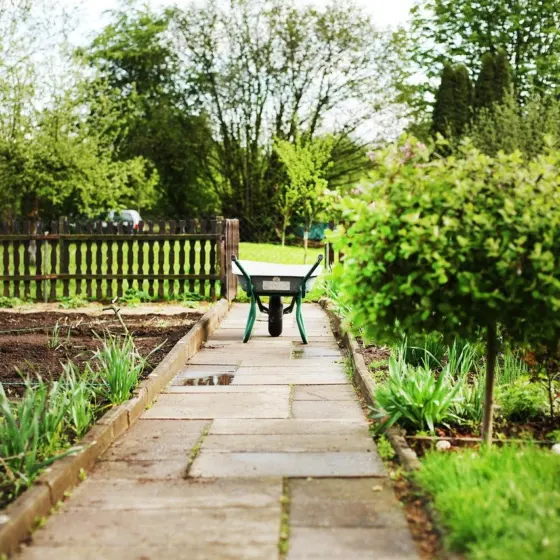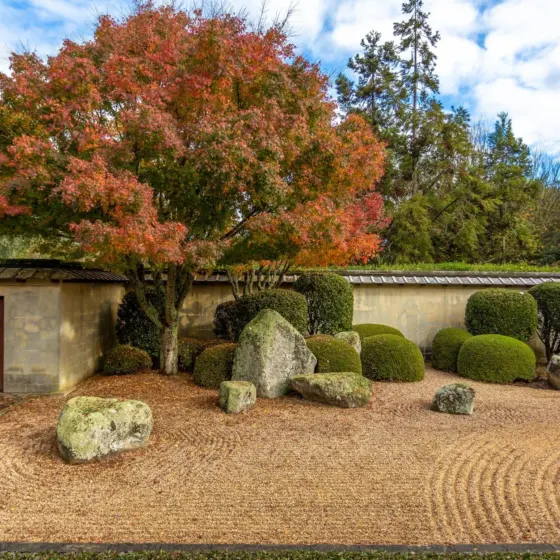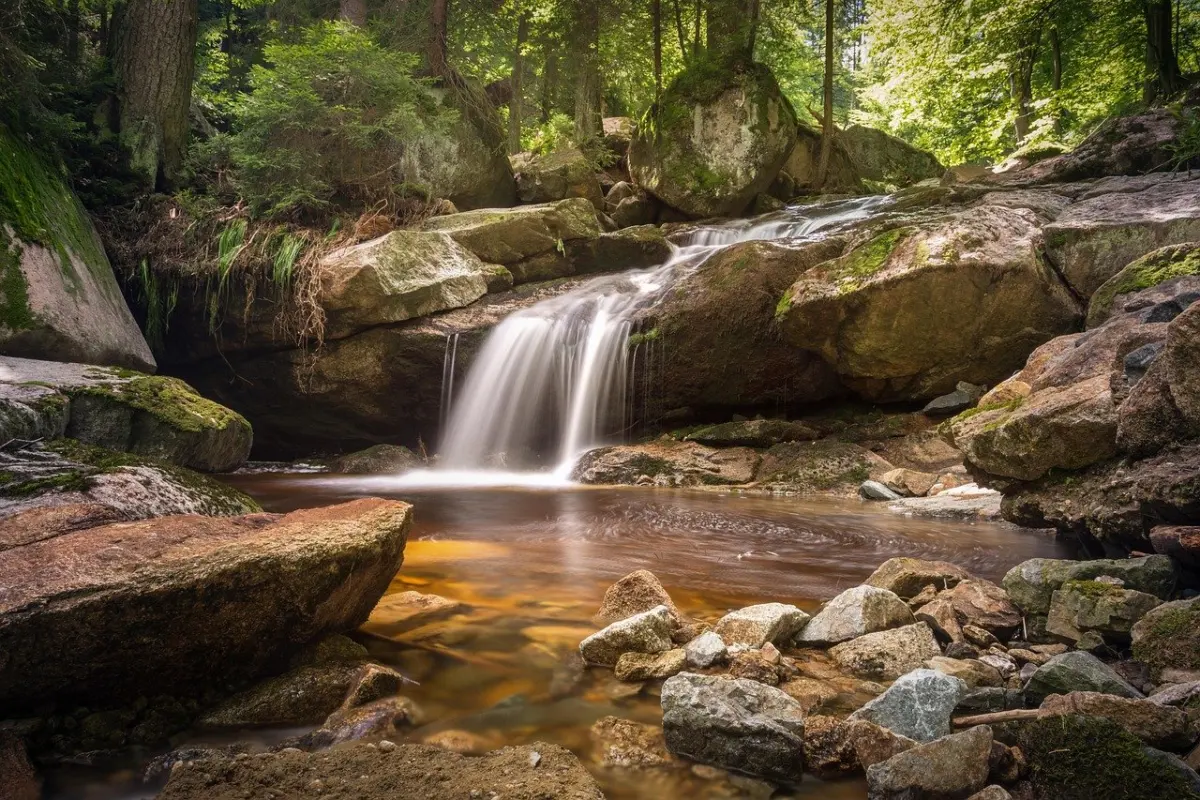
Picture a front yard where the lawn keeps failing: front yard landscaping ideas with rocks can fix it, provided the rock is deep enough, sits on a stable base and is paired with plants that tolerate reflected heat.
Rock works best as a planned layer rather than a quick cover-up. It sits alongside our wider garden design ideas and the Garden Design section. The short answer: size the stone to the bed, protect it from sinking into the soil, edge it so lawn grass cannot creep in, and keep plants in mulched pockets instead of bare rock. The sections below test the assumptions that most often cause trouble.
Choosing rock by size, cost and purpose
The first misconception is that any rock will do. Decorative rock is natural or manufactured stone used as both ground cover and design element, according to a decorative rock guide, and its rule of thumb is to match stone size to bed scale and plant spacing. Large stone swamps a narrow bed, while fine stone looks lost around big shrubs. No single type is best everywhere; the right one depends on whether the area will be walked on, how it looks from the street and how much you want to spend.
Supplier pricing puts most decorative landscape rock at $40 to $180 per cubic yard in bulk, depending on type, and prices vary by region. The comparison below shows how the common choices differ.
| Material | Look and size | Typical bulk cost | Planning use |
|---|---|---|---|
| River rock | Smooth, rounded, 1 to 3 inch, tan and gray | $60 to $150 per cubic yard | A natural look for beds seen from the street |
| Pea gravel | Small and rounded; feels smoother underfoot than other gravel | $40 to $70 per cubic yard | The better pick wherever people will walk |
| Crushed limestone | Crushed, angular fill | $25 to $45 per ton | The lowest price, but quoted per ton, so convert before comparing |
| Lava rock | Porous; can be brittle and break down under repeated foot traffic or aggressive raking | $100 to $180 per cubic yard | Best in planted beds that stay untouched |
Cost and size figures come from a landscape rock supplier guide, and the underfoot and durability notes from the decorative rock guide.
River rock also comes bigger than the typical range above: a landscape rock types guide lists sizes from about half an inch to 5 inches and up. Choose smaller sizes for pockets between plants and larger ones for open expanses. For a front yard that gets walked across, avoid lava rock and stay with pea gravel or river rock.
Depth and base: where most rock beds go wrong
The second misconception is that a thin scatter of stone is enough. For most beds using small to medium decorative rock, one decorative rock guide suggests planning for 2 to 3 inches. If the bed must also stop weeds, supplier guidance calls for a finished depth of 3 to 4 inches so that no sunlight reaches the soil underneath. The deeper figure is a weed-control target, not a requirement for every decorative bed.
Coverage is lower than people expect. At a 3-inch finished depth, one cubic yard of rock covers about 100 square feet, so a deep layer over a wide front yard adds up quickly. Measure the beds before choosing between a full rock yard and rock in selected zones.
The base matters as much as the top layer. Without a stable base and a plan to separate soil from stone, landscape rock can sink over time. Remove turf and level the area first. Then separate the soil from the stone before spreading any rock.
Keeping weeds out of rock beds
The third misconception is that fabric under the rock stops weeds for good. Its real purpose, according to the same supplier guide, is to keep rock from sinking into the soil and disappearing over the years; it is not a permanent weed barrier. The same guide names thin rock beds as the number one reason homeowners end up frustrated. Three habits do most of the work:
- Edge every boundary. Steel, aluminum or paver edging holds rock in place and stops grass from creeping in from the lawn.
- Clear debris each season. Leaves and clippings left on the rock decompose into weed-friendly soil, so lift them off first.
- Treat depth as the main defence. Top up any area where soil begins to show through before weeds establish.
A rock bed is low maintenance, not no maintenance. A short seasonal clear-out is a better plan than relying on fabric alone.
Plants, mulch and boulders in a rock front yard
The fourth misconception is that every plant thrives in rock. Rock can hold heat in full sun, which the decorative rock guide says is great for some drought-tolerant plants but stressful for others. The supplier guide adds that rock absorbs sun and radiates it back, which can bake the shallow roots of perennials and annuals.
That points to a clear division of labour: use rock where you want a permanent ground cover and mulch where you are growing plants. Choose heat-tolerant, drought-tolerant plants for spots surrounded by stone. Put shallow-rooted perennials and annuals in mulched pockets instead of bare rock. If your front garden is small, the Small Backyard Garden Ideas: 12 Clever Ways To Maximize Space In 2026 guide covers compact planting layouts.
Boulders as anchors
In open areas, landscape supplier advice is to group two or three boulders of varying sizes for a natural effect, rather than spacing single stones evenly. A cluster of boulders gives the planting a focal point and lets you use fewer plants around it.
Paths, steps and edging in stone
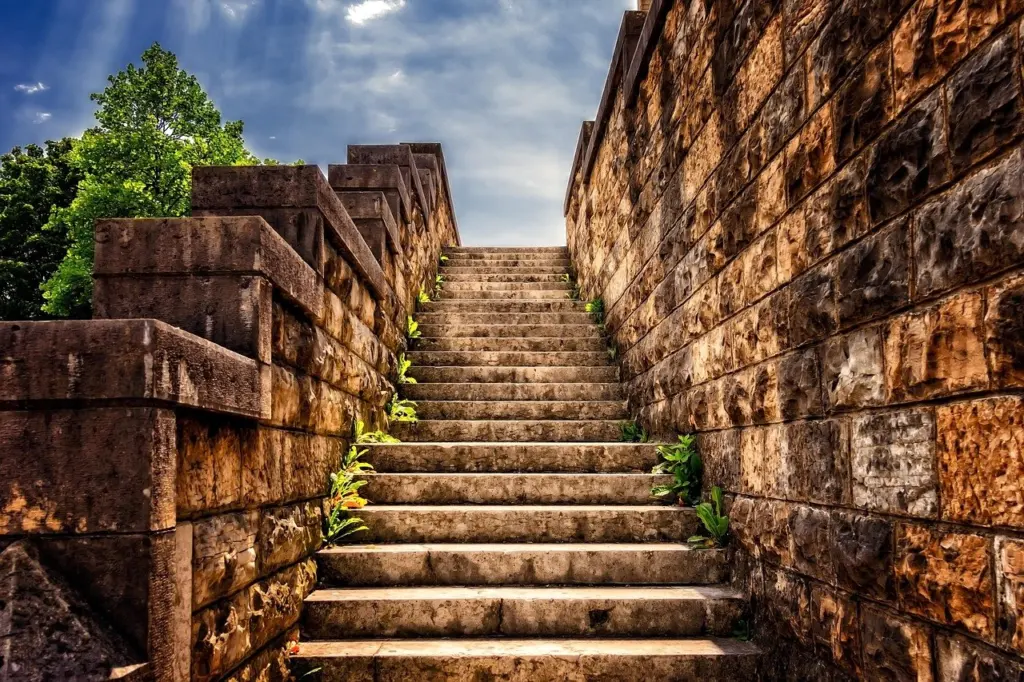
Rock is not only ground cover. Walkways made from flagstone, crushed granite or gravel are both charming and functional, according to landscape supplier advice. Flagstone gives a solid, defined route from the street to the door. Crushed granite and gravel are looser and cheaper to lay, but they need edging to stay in the path.
Decomposed granite is a good example of how depth affects a path. At 2 to 3 inches deep it packs into a firm, walkable surface that still passes water, as a landscape rock types guide describes. For layout choices such as curves, widths and how a route meets the door, see our guide to garden path ideas.
Frequently asked questions
| Question | Answer |
|---|---|
| How do I work out how much rock to order? | Multiply the bed area by the depth to get cubic feet, then divide by 27 to get cubic yards, and add 5 to 10 percent for settling and waste, per a decorative rock guide. Most landscape rock weighs about 1.3 to 1.4 tons per cubic yard, which matters for delivery, according to supplier guidance. |
| Can gravel replace wood mulch around trees and shrubs? | Yes. Decorative gravel around trees and shrubs suppresses weeds and retains moisture, as landscape supplier advice explains. |
| How long does rock last compared with mulch? | Rock lasts decades and is effectively permanent, while mulch lasts 1 to 3 seasons, according to the supplier guide. That gap is why rock suits permanent ground cover and mulch suits planted areas. |
| Is a dry creek bed only decoration? | No. In sloped yards a dry creek bed serves a practical purpose by aiding drainage and runoff, as landscape supplier advice notes, and river rock suits that role. |