A lawn tilts toward the sidewalk, rain carries soil down it, and the beds keep washing out. Sloped front yard landscaping ideas begin with that water: hold soil with deep roots, slow runoff with terraces or walls, and add steps for access.
The steepness of the grade decides how much hardscape you need, and each choice below is tied to it. For wider planning context, see our garden design ideas. For the street-facing side of the property, compare the upgrades in Front Yard Landscaping Ideas: 10 Easy Upgrades To Boost Curb Appeal In 2026.
Matching the solution to the grade
Grade changes create layers, movement and a depth that a flat lawn will never naturally offer. The first decision is therefore how much structure your grade needs, not which plants to buy. Think of the choices as a ladder: use the lightest option that keeps soil in place and gets you to the door.

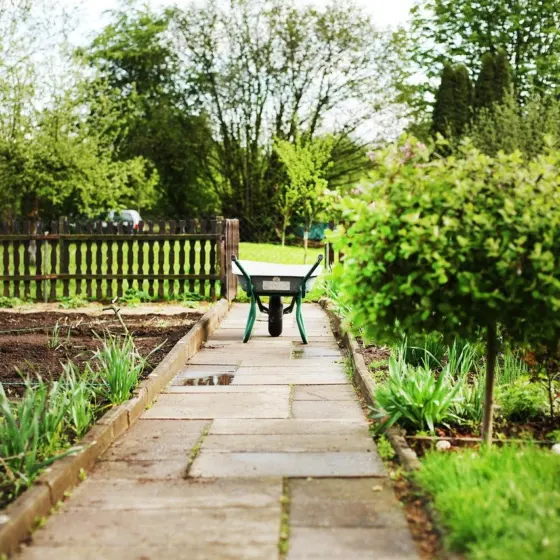
- Shallow grades: Simple steps work beautifully where the transition needs to breathe rather than be forced. If you can walk the slope without effort, a short run of steps plus dense planting is usually enough, and a wall would be more structure than the site asks for.
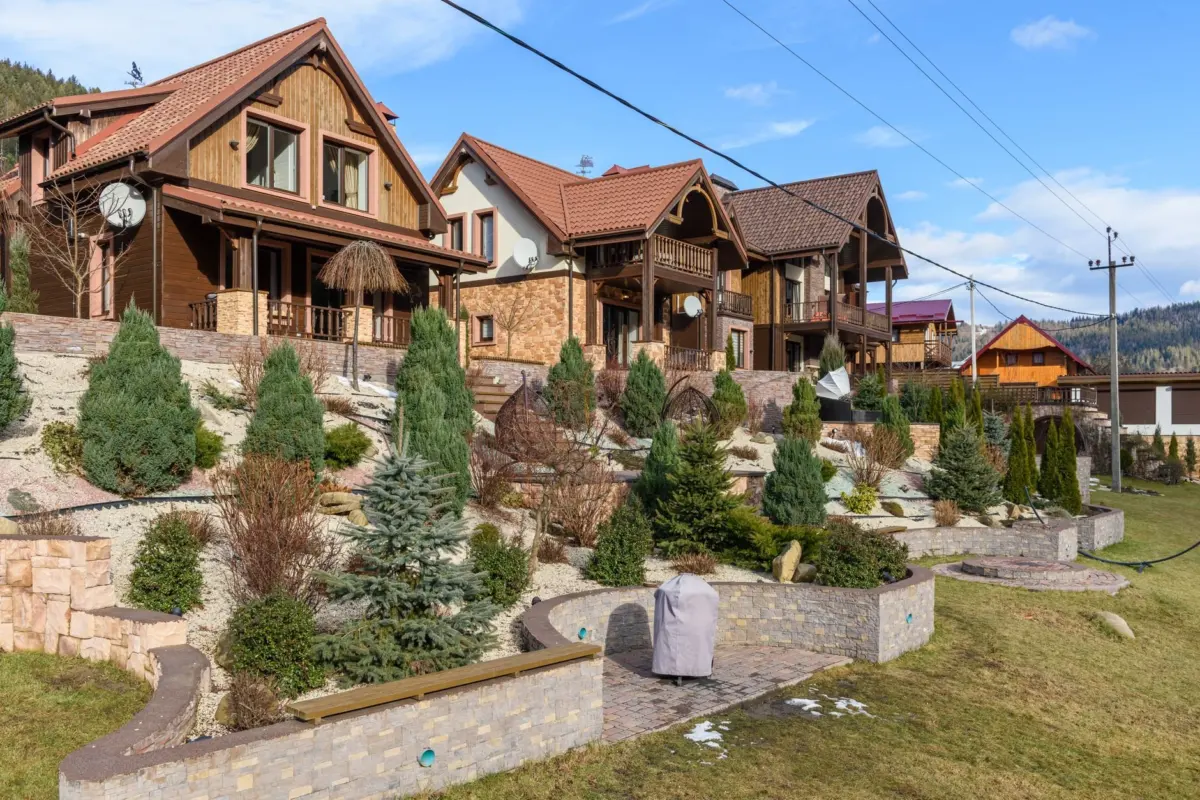
- Noticeable grades: Step terracing acts as several retaining walls spaced up the hillside, and it also creates garden paths that give access to flower beds. This suits a yard where you want planting beds on level ground rather than on a tilt.
- Grades that call for a taller wall: A retaining wall at the base of the slope helps stop erosion and can double as a design feature. You might need a building permit depending on the size of the wall, so check local requirements before ordering materials.
Planting belongs on every rung of that ladder. Walls and steps manage the shape of the ground, while roots are what keep soil on it over the years.
Slope myths that derail a front yard plan
Most failed slope projects trace back to a handful of assumptions. The table sets each assumption against what the guidance supports and what to do about it.
| Common assumption | What holds up | Planning use |
|---|---|---|
| A slope always needs a retaining wall | A wall at the base helps stop erosion and works as a design feature; step terracing acts as several walls; a permit may be needed depending on wall size | Pick the lightest structure the grade requires, and confirm permit rules before building anything tall |
| Any attractive plant will hold soil | Plants with deep, fibrous roots keep soil and themselves in place | Choose for roots first, then for flower or foliage |
| Mulch stays where it is spread | In windy, rainy conditions water drains from the top carrying soil, mulch and rocks down; landscape fabric under jute netting keeps mulch put | Pin mulch with netting on any sloped bed |
| The whole slope behaves the same | Soil at the top tends to be drier than soil at the bottom, and sandy soils wash away more easily than clay | Plant by position on the slope and take extra care if the soil is sandy |
| Terraces are only decoration | Terraces create level spaces with walls or stacked boulders and can target runoff before it reaches driveways or walkways | Use them as a drainage tool as well as a planting shelf |
The planting, mulch and soil points come from a slope landscaping guide, and the terrace and runoff points from a set of sloped-yard design ideas.
Reading the slope before you build
A short observation period saves expensive corrections. Slope angle and direction can push water in undesirable directions, so watch where runoff actually travels after rain before you decide where walls, beds or paths go. Pay particular attention to any line that leads toward the driveway, the walkway or the house.
Three things shape the plan:
- Water movement: Because water drains from the top and carries soil downward, the upper part of the slope loses material and the base collects it. The upper section is also the drier one, so plants there should cope with dry spells.
- Soil type: Sandy soils erode more easily than heavier soils like clay. On sandy ground, plan protective cover and netting from the start instead of treating erosion as a later repair.
- Light: Note the slope’s light conditions throughout the day. A bank that bakes in the afternoon needs different plants from one that sits in shade, and the pattern is easy to record by checking at several times of day.
These observations feed directly into the drainage and planting choices that follow, so write them down on a sketch of the yard.
Erosion control that looks intentional
Erosion control does not have to look like construction. The aim is to slow water and give soil something to hold onto while roots establish.
Netting, fabric and mulch
For hillside gardens, landscape fabrics include coir netting, logs and mats. A practical bed build is to lay landscape fabric to reduce weeds and then put down jute netting so mulch stays put. This suits new plantings on bare ground, and the natural-fiber look fades into the bed as plants fill in.
Walls and terraces as drainage tools
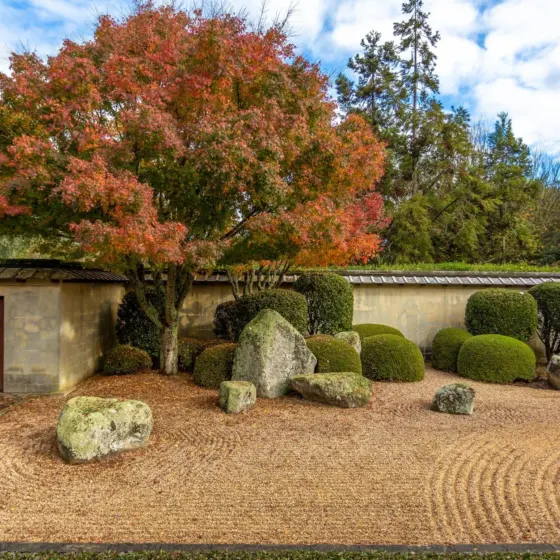
Retaining walls hold soil in place and also prevent erosion, which is why they pair well with terraces. A terrace can target runoff before it reaches driveways or walkways, so place the first level where water would otherwise gather speed. Walls built from stacked boulders give a looser look than cut stone, while still creating level spaces.
The practical lesson is to treat drainage as part of the design from the beginning. A pretty terrace that sends water toward the front walk has solved the wrong problem.
Plants that stop erosion on a slope
The best slope plants share one trait: they build roots that knit the soil together. Deep, fibrous root systems keep the soil and the plants themselves in place, so judge candidates by root habit before bloom color. The list below is a starting point to adapt to your light and soil.
- Low groundcovers: Violet, periwinkle and ice plants are good options for covering the surface. Use them on the lower and middle parts of the slope where they can intercept runoff.
- Shrubs and low evergreens: Elderberry and creeping juniper are suggested for slope planting. They suit the upper section, where the soil is drier and structure matters.
- Cascading plants at walls: Where a wall edges the slope, trailing plants soften the hard line. Match them to the light you recorded across the day.
Group plants by their water needs and by position on the grade, because the top dries out first. If you want a looser, cottage-style planting in the beds beside a wall or terrace, Cottage Garden Plants: 25 Charming Choices And Simple Plans To Plant In 2026 offers a wider palette to draw from, though any choice still needs to suit the slope’s light and drainage.
Walls, terraces and steps
Do you need a retaining wall?
You need one when the grade is too steep for planting beds to hold soil, or when you want level ground for a garden. A homeowner who transformed a sloping front garden used a tapered, stacked wall to create a level space for the new garden, which made it much easier to plant and maintain. Its height reached 2.5 feet at its highest point, a useful reminder that a modest wall can transform a slope without dominating the front of the house.
If the grade is gentler, skip the wall and rely on planting, netting and a few steps. If it is steeper, divide the climb into several lower walls rather than one tall one, since step terracing spreads the work across the hillside. In either case, check permit requirements, because wall size can trigger a building permit.
Terraces and level planting beds
Terraces turn a tilted bank into planting shelves. They can be made with retaining walls or informal stacked boulders, and the paths they create give you access to flower beds and groundcover for weeding and trimming. A terrace plan works best when each level is wide enough to walk and plant comfortably.
Steps and access
Access is the part people forget until the first wet day. On a shallow grade, simple steps beside planted beds are often all that is needed, and they keep foot traffic off the soil you are trying to protect.
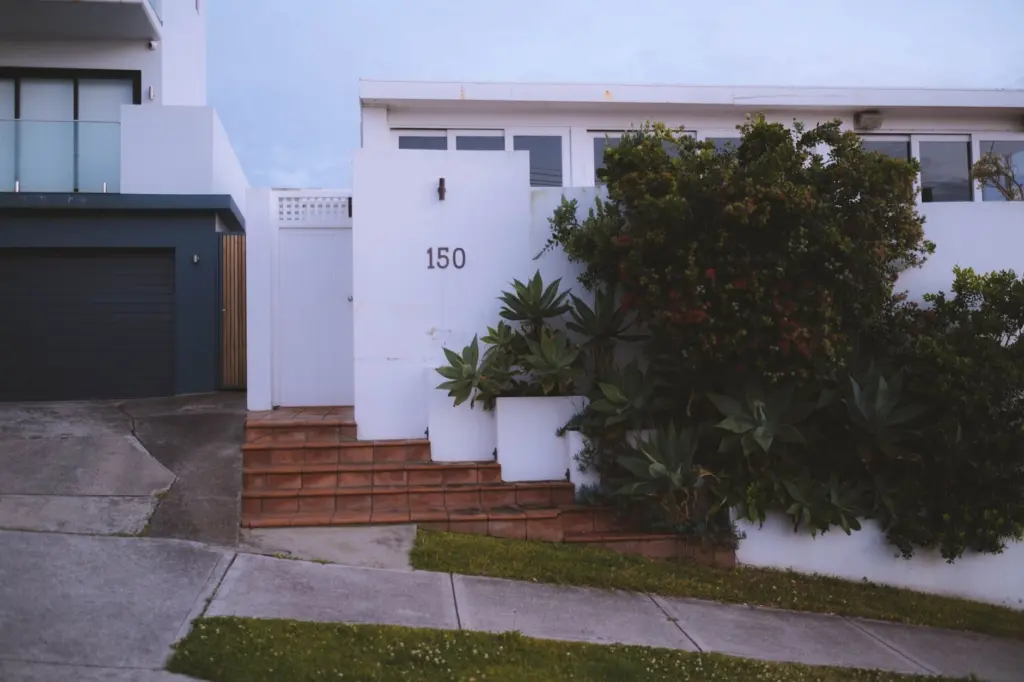
Place the steps along the natural line of approach to the door, and keep planting on either side so the route reads as part of the garden rather than an add-on.
Frequently asked questions
| Question | Answer |
|---|---|
| Are native plants a good choice for a slope? | Yes. Native plants offer the least amount of problems because they are used to the climate conditions in the area. |
| Is pressure-treated timber a reasonable wall material? | It is a low-cost option and lasts quite a few years, which makes it a budget-friendly choice for a low wall. Stone and stacked boulders cost more but look more natural. |
| How much room should I leave in front of a low wall? | One slope makeover left 3 feet of planting space in front of the bottom of its retaining wall, enough for a proper planting strip. |
| What suits a sunny, dry slope? | When the slope gets full sun most of the year, the plant choices have to be tough and drought tolerant. Rosemary ‘Boule’ was used in that same project to cascade over the wall. |