| Decision | Supported value | Planning use |
|---|---|---|
| Sun for a memorial garden | At least six hours of sunlight per day, unless you are planning a shade garden | Choose the sunniest quiet corner for a standard scheme. If the only free spot is dim, commit fully to shade planting. |
| Sun for many perennials | 8 hours or more on the longest days of summer | Give full-sun perennials the brightest part of the plot and plan the rest around lesser light. |
| Bed width and access | Reachable from at least two sides; beds 6 ft wide or wider look most pleasing | A narrow strip cannot meet this ideal, so keep the planting simple and let one feature carry the design. |
| Plan scale | Graph paper at 1 inch = 4 feet | Sketch the plot before buying plants, a bench or a marker. |
| Plant grouping | Same variety in groups of three, five, or seven | Buy fewer varieties in repeated clusters rather than single plants of many kinds. |
The light and bed figures come from Colorado State University Extension’s perennial gardening guide, and the six-hour guideline comes from Earth Easy’s memorial garden guide.
The best small memorial garden ideas start with one focal point, a site with enough light (or a deliberate shade scheme), and plants that ask for little upkeep once established.
These choices sit inside wider garden design ideas for compact yards. A memorial plot applies the same decisions about light, access and scale, but each one also shapes how calm and personal the space feels.
What light and width mean for a small plot
Light and width are the two measurements that decide most of what follows. They determine which plants will thrive, how you reach them and whether the space feels like a tribute or a crowded corner.
Light sets the planting palette
Earth Easy suggests a memorial garden should receive at least six hours of sunlight per day unless you are planning a shade garden. Many perennials ask for more. Colorado State University Extension notes that full-sun perennials want 8 hours or more on the longest days of summer. A spot that meets the general guideline can therefore still fall short for sun-hungry flowers.
In practice, you have two honest options. Either place the garden where the sun is strongest and use the full range of flowering plants, or accept a shadier site and choose plants bred for it from the start. Forcing sun lovers into a dim corner leads to sparse growth and extra work, which defeats the purpose of a quiet, low-demand tribute.
Width sets how you reach and see the garden
Colorado State University Extension recommends that a perennial bed be accessible from at least two sides and says beds 6 ft wide or wider look most pleasing. Few small memorial gardens will reach that width, and that is no reason to give up on perennials. It means the layout must work harder with less ground.
- Corner or yard bed: if you can walk around at least two sides, you can plant a layered bed with a backdrop, a middle layer and a low front edge. This suits a garden meant for sitting and looking.
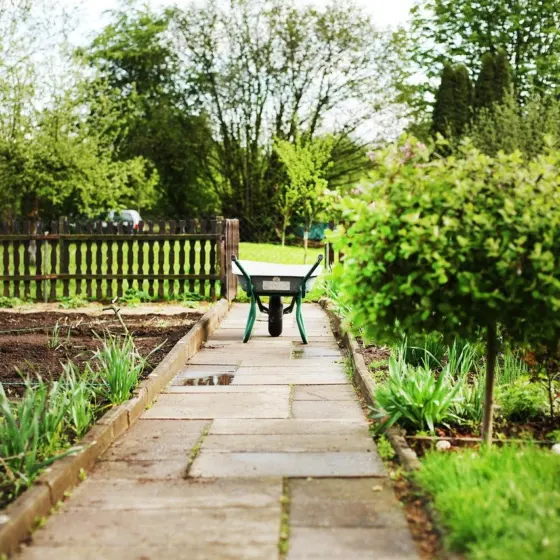
- Narrow fence or wall strip: keep to one row, one focal element and a short plant list. A raised bed is a practical way to define the strip, and the builds in Cheap Raised Garden Bed Ideas: 10 Budget-Friendly Builds For Small Spaces In 2026 show what fits a tight budget.
- Balcony or patio: skip beds entirely and work in containers, grouped so everything is within arm’s reach.
If the garden is in shared or rented space, confirm which permanent features are allowed before building. A portable arrangement of pots and a small marker keeps every option open.
Focal points: stone, bench or planting
A small garden holds one strong focal point better than several competing ones. The focal point tells visitors where to look first and gives the tribute its meaning, so choose it before anything else and let plants frame it.
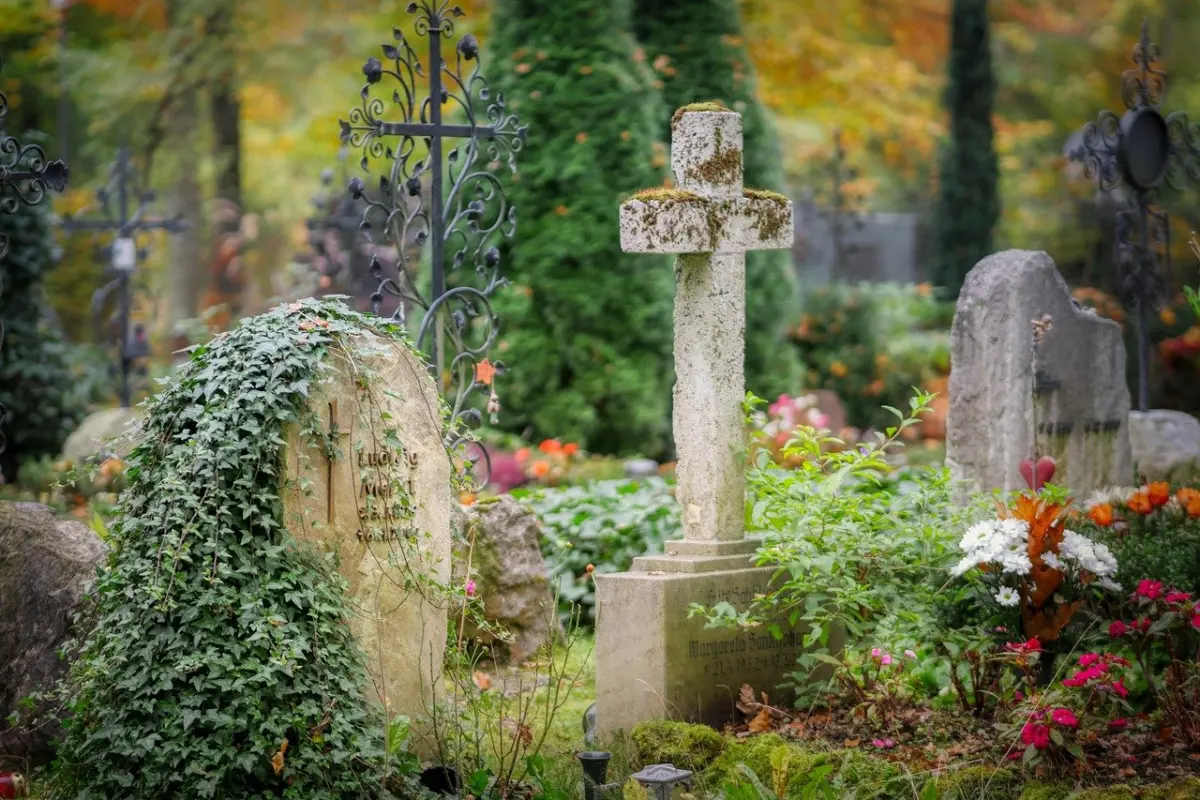
A memorial stone is the most direct choice. The Living Urn describes a high-quality memorial stone as giving the garden a focal point and an anchor for the planting around it. The planting itself can also serve this role, since Colorado State University Extension notes a perennial garden may be the focal feature of a landscape. That suits a plot where a built feature would overwhelm the space.
- Stone marker: best when the garden is about a name or a date. It takes almost no floor space, can sit among low plants and does not need maintenance. You can add seating later if the garden proves well used.
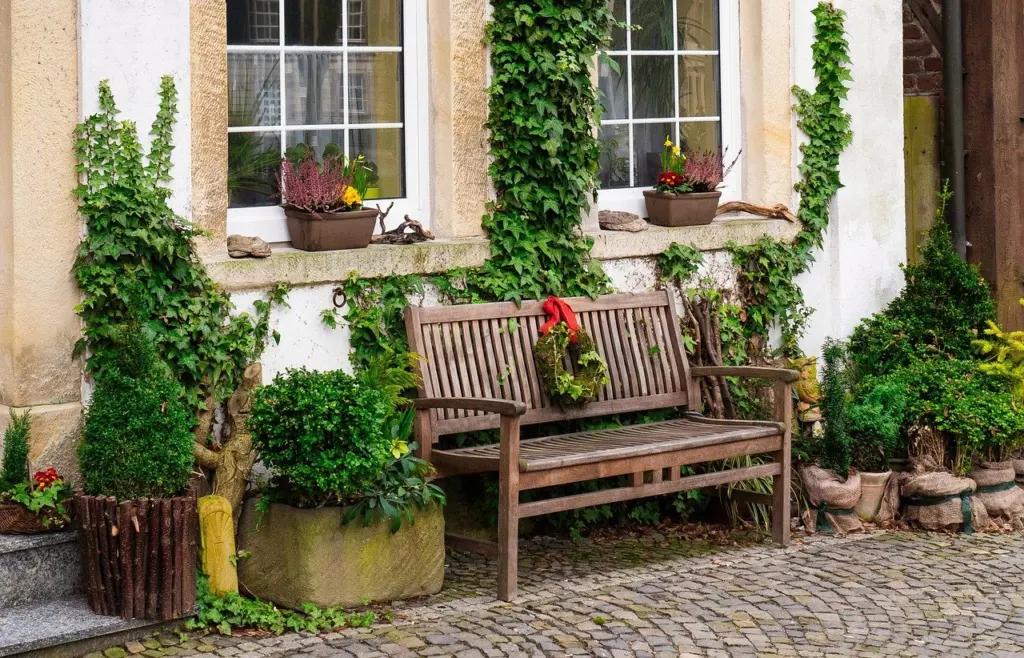
- Bench: best when the purpose is visiting and lingering. It needs enough room to sit comfortably and is best set against a backdrop of shrubs, so the seat feels enclosed rather than exposed. In a very small plot it can crowd out planting, so choose it only if you expect to sit there.
- Planting as the focal point: best on a balcony or narrow strip, where a single well-chosen plant or a tight group of pots can carry the memory without any built element.
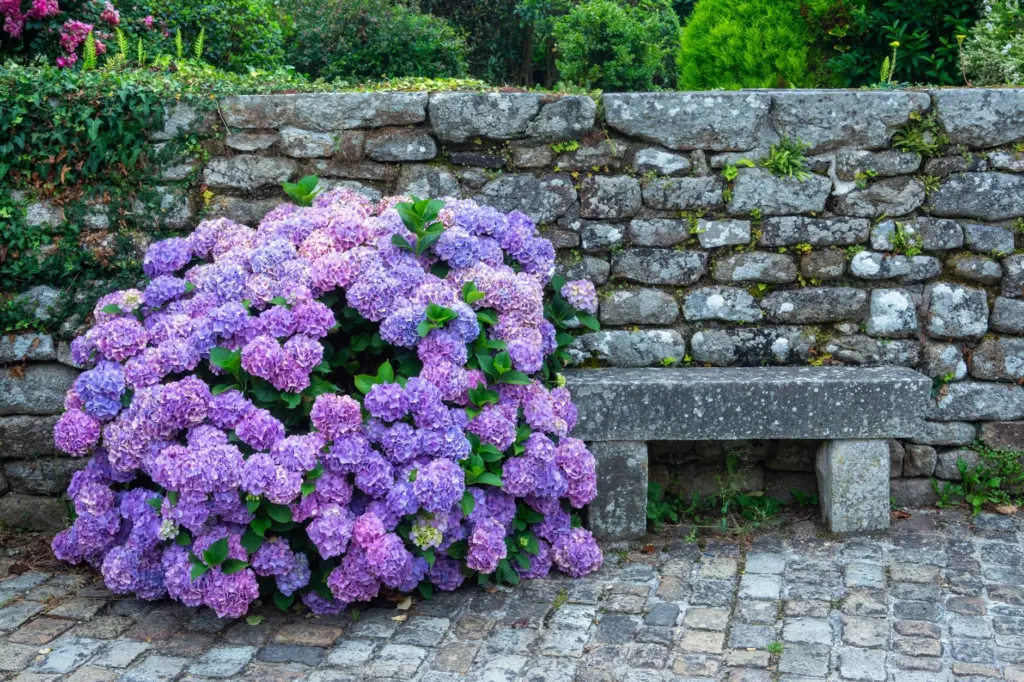
Plants that suit a memorial garden
The right plants combine meaning with manageable habits. Structure comes from shrubs, seasonal color from perennials, and a personal touch from a few symbolic choices that suit the space.
Evergreen shrubs for structure
Earth Easy points out that shrubs reduce the maintenance level of a space and add structure and a backdrop. That makes evergreen shrubs a sensible first purchase for a small memorial garden. They give the stone or bench a permanent frame, so the garden still looks intentional when perennials have died back. Choose compact kinds that suit your light, and place them behind or beside the focal point rather than in front of it.
Perennials for color and low effort
Perennials fill the gaps and mark the seasons. Colorado State University Extension advises planting the same variety in groups of three, five, or seven. In a small plot this repeating rhythm looks calmer than a collection of one-off plants. It also keeps the shopping list short.
Match each perennial to your actual light, not to the label that appeals most. For full-sun kinds, that means the brightest position in the plot. Plan the tallest plants to sit behind the focal point so they do not hide it.
Rosemary and container plants
Plants carry meaning more quietly than plaques do. Earth Easy lists rosemary (Rosmarinus) as associated with remembrance, and it is an easy plant to try in a pot. A favorite plant of the person being remembered can be just as meaningful, and nothing says the symbolism must be traditional.
Containers suit balconies, patios and any plot where the soil is poor or the ground is paved. They also let you move the arrangement when the light changes. Set the pots where you will see them from your seat, and group pots whose plants have similar water needs so a single routine serves them all.
Keeping upkeep low
Upkeep is largely decided at planting time. The more closely your plants match the site, and the more alike their needs, the less routine work the garden creates.
- Favor perennials over annuals: once established, perennials generally need less maintenance and have fewer pest problems than annual flowers. Replanting a bed every spring is the opposite of a restful tribute.
- Lean on shrubs: a few well-placed shrubs reduce the work needed to keep the space looking cared for.
- Group by water need: the same extension guide advises grouping plants by their environmental and cultural requirements. On a slope, drought-tolerant plants belong at the top. In pots, the same logic means thirsty and dry-loving plants should not share a container or a corner.
- Ease off the autumn tidy: extension guidance suggests less perennial cutback and clean-up in fall to support winter pollinator and wildlife habitat. This saves effort, though the garden will look less manicured through winter, so decide whether that suits the mood you want.
Visiting the garden remains the real task. A plan that needs little attention lets those visits be about the person rather than the chores.
Drawing the plan
A scale drawing turns all these decisions into a layout you can test before spending anything. Colorado State University Extension suggests sketching on graph paper at a scale of 1 inch = 4 feet.
Mark where the sun falls, where you will stand or sit, and where the focal point goes. Add shrubs behind it, then place groups of perennials or pots in front. Check that you can still reach each plant and that nothing blocks the view of the marker or bench from where a visitor first sees it. Redraw the plan until the focal point is clear and the planting looks sparse rather than full, because plants grow.
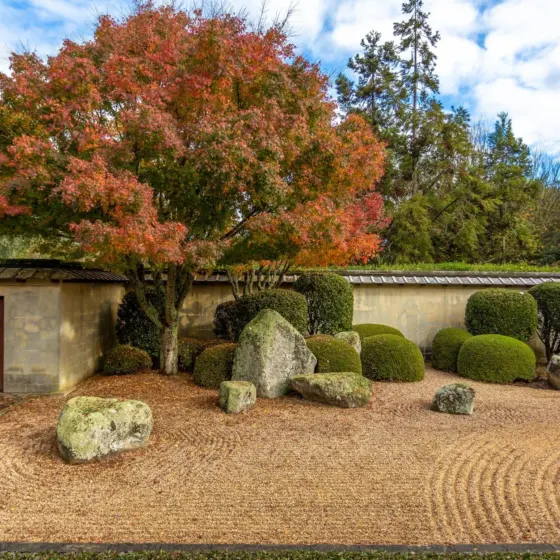
If the quiet, restrained look appeals, the layouts in Small Japanese Garden Ideas: Create A Serene Mini Retreat In Your Yard (2026) show how few elements a small retreat needs. More layout inspiration sits in the Garden Design category.
Frequently asked questions
Can a memorial garden be planted in shade?
Yes. The six-hour sunlight guideline applies unless you are planning a shade garden. Colorado State University Extension lists ferns, bleeding heart and hostas among perennials that suit less sunlight or filtered shade.
What should I do if the site is windy?
Choose shorter plants. Colorado State University Extension notes that tall perennials may need staking, while dwarf varieties can be chosen for windy areas.
How much does a memorial bench cost?
Prices vary by material and customization. As one reference point, a retailer lists a custom outdoor memorial garden bench from $549.99. A stone marker as the sole focal point lets you delay buying seating.