www flyarchitecture.net is a home design blog, not an architecture studio with a portfolio, and the review below looks at what it publishes, where it is strongest and where it wanders. Readers looking for the contact page will find a short form and an email address; the extra guide on the site about reaching “the crew” promises different reply times.
| Question | Verdict |
|---|---|
| Is it an architecture firm? | The About page describes a home design website |
| Does it show projects? | No portfolio pages appear in its menus |
| Article quality | Mixed: practical home pieces next to off-topic ones |
| Contact route | Email plus a contact form |
| Best use | Reading about flooring, blinds, outdoor furniture and moving |
What flyarchitecture.net publishes
The About page welcomes readers to “Fly Architecture” as a destination for home design indoors and outdoors, with renovation ideas, backyard retreats and architectural trends. The menus line up with that: three categories, covering inside the home, outside the home and home and garden, plus the About and contact pages. It names a founder as an architect and home designer, though that biography is the site’s own description and comes with no linked portfolio.
The front page is a news-style feed with recent items on flooring choices, blinds, outdoor furniture, move-in logistics and building rules for condos. That is broader than the name suggests, and it is the first thing to understand before judging the site.
What flyarchitecture does well
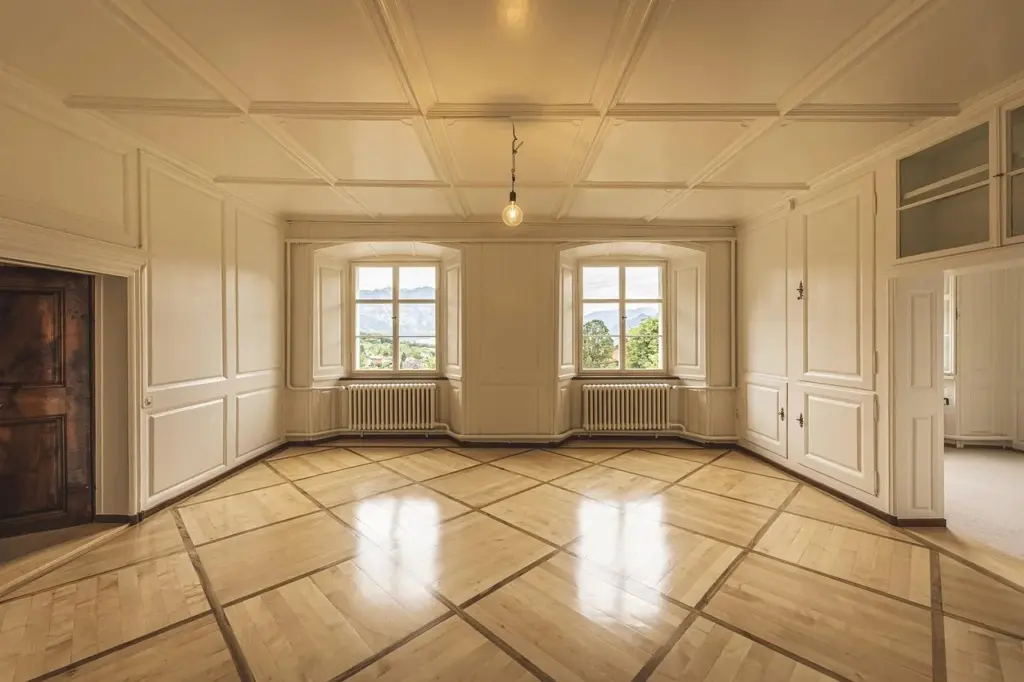
The home-product comparisons are the strongest material. A piece on wood-look flooring tells readers to start with the room rather than the sample, listing water, pets, furniture dragging, sunlight and cleaning frequency as the real tests, and later weighs moisture and long-term cost.
A comparison of banded zebra blinds and single-panel roller blinds is more technical than most: it explains openness percentages, mount depth, edge light and cord safety, and recommends a type room by room. An article on teak garden furniture explains what FSC certification means and why certified timber matters. These pieces are structured, specific and usable, and they match the “inside the home” and “outside the home” categories.
The security article is a good example of the site’s better instincts. It argues that protection need not make a house look fortified and works through locks that can be upgraded without changing the door, outdoor lighting that looks intentional, landscaping that discourages access, discreet smart devices and window reinforcement that does not hide the glass. Each section answers a single question, which is how a home guide should be organised.
The blinds comparison goes into mechanism. A zebra blind slides sheer and solid bands past each other to change brightness without being raised, while a roller blind is a single panel fixed at purchase, and the guide suggests the banded kind for living rooms and offices and the plain panel for bedrooms, nurseries and humid rooms. It is a clear example of a comparison that ends in a recommendation.
The moving guides are narrower but still practical. The one on building rules for a Vancouver condo explains that buildings often limit move hours, require elevator reservations, control where trucks park and expect floors and shared areas to be protected, and it advises residents to ask the building for those rules early.
Where the coverage drifts
The site also carries posts that sit far from architecture or domestic design. Recent examples include a piece on escrow protections for off-plan property buyers in Abu Dhabi, another on an antitrust-related deal structure, one on builders risk insurance, and an article on purpose-built mobile landing pages for conversion. Several moving guides cover cities such as Vancouver and Brisbane.
An article on relief carving versus chip carving shows the same drift in a milder form: it is competent, explaining that relief carving removes the background gradually to make a raised scene while chip carving cuts small wedges to build repeating geometric patterns, yet it sits well outside home design. Several articles also mention a specific local locksmith service or a tool supplier in passing, which suggests placed content, although the site does not label any post as sponsored. None of these is badly written, but a reader who arrived for design ideas will find them hard to place. They also make it harder to judge what the site is an authority on, since the topic list changes from week to week.
The flyarchitecture contact page and the crew guide
The contact page itself is plain. It offers a form and an email address on the site’s own domain, says messages usually get a reply within one business day, and warns that only relevant propositions will be answered. That is the page most people want when they search flyarchitecture contact the crew or contact the crew flyarchitecture.

The site also hosts a long guide titled around contacting the crew, which lists email, the form and social channels and says press and partnership emails take up to two weeks while reader questions take about five business days. That timeline conflicts with the one business day on the contact page, so treat the shorter note on the contact page itself as the primary source and expect that a reply may take longer.
Studio or blog: how to read the trust signals
The question behind many searches is whether the address is an architecture practice. People who search www flyarchitecture .net, or write it as www. flyarchitecture .net or www .flyarchitecture . net, all reach the same site: a blog whose About page claims expertise in architecture and interior design. One companion article describes the site in studio terms, with services, a portfolio and steps to hire, but the menus show none of those pages, so that article reads as a description of what a studio site might contain rather than a reflection of this one.
A few signs help separate a blog from a practice. A studio normally names its architects, shows built projects with locations and dates, lists registration or licence details and gives a business address. This site’s About page names a single founder in warm, general terms and offers none of the other items, and the contact page gives only an email address and a form. Nothing in that setup is wrong for a blog; it just does not describe a firm that takes commissions.
A short, practical rule follows. Rely on the site for general home-product guidance and ideas, and look elsewhere, such as a registered architect’s own page, when you need to check credentials, licences or past projects.
Who the site suits
If you type flyarchitecture.net into a browser hoping for a gallery of houses, you will be disappointed. If you want a readable comparison of flooring or blinds, or a primer on certified timber, the best posts are worth the visit. Anyone saving the address under a shorthand like flyarchitecturenet will land on the same blog. The balance between useful home content and unrelated filler is what decides whether it earns a place in your reading list.