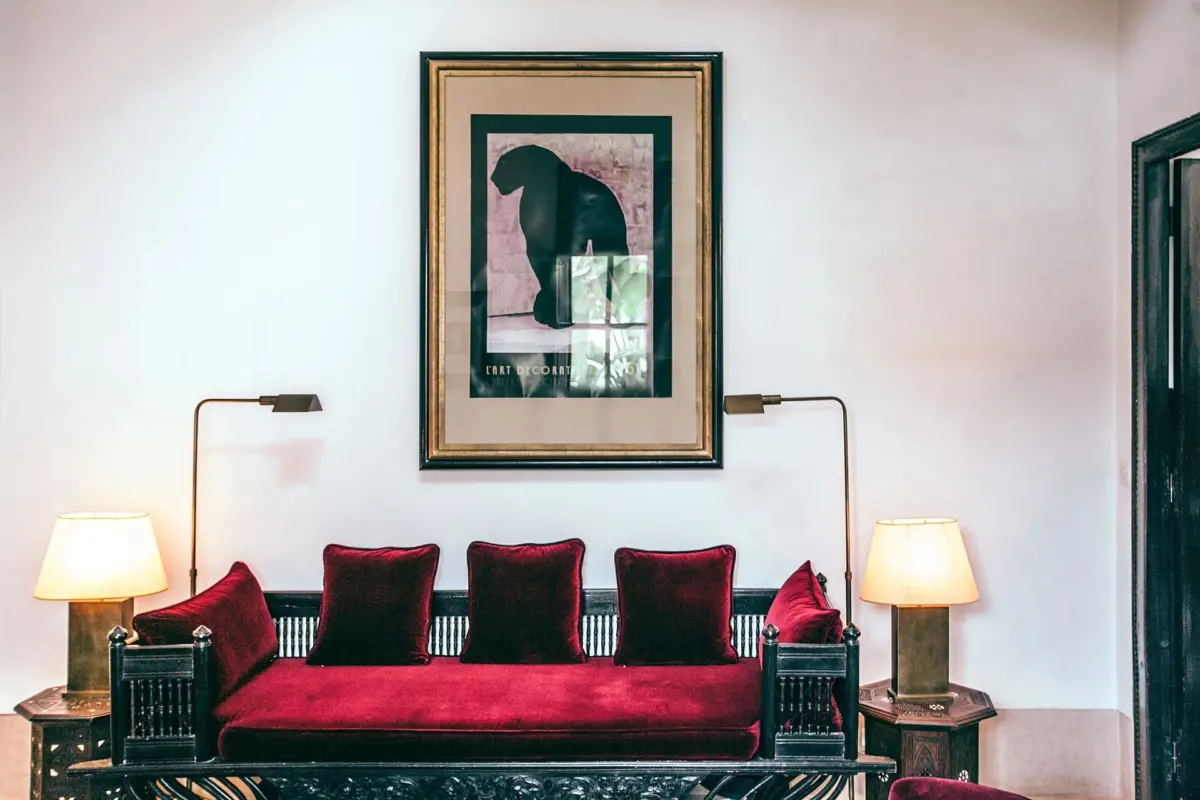
decoratoradvice com is a home decorating blog whose articles range from thrifting furniture at estate sales to borrowing ideas from luxury vacation homes. This deep dive goes into the two meatiest features on decoratoradvice.com and what a reader can take from them.
| Topic | What the article says |
|---|---|
| Estate sales | Older furniture is often solid wood and cheaper than new |
| Where they apply | The piece focuses on New Hampshire sales |
| Vacation homes | Resort-style comfort is influencing everyday homes |
| Biggest trend | Blending indoor and outdoor living |
| Who it is for | Home owners and renters looking for ideas |
Why decoratoradvice leans on estate sales
The budget feature on decoratoradvice argues that mass-produced furniture is built to a price, with engineered wood and particleboard cores, while pieces made before the 1980s more often use solid wood, hand-finished details and sturdy hardware. That gap in quality is why, the article says, decorators treat estate-sale sourcing as a first choice instead of a last resort.
It also makes a design point: a single vintage find, such as a well-loved wingback chair that only needs new upholstery, can anchor a whole room and give it depth that an all-new set lacks. Anyone who has stood in a showroom of matching sofas will recognise the idea.
How the New Hampshire estate-sale market works, per decoratoradvice.com
The article explains that estate sales arise from life transitions such as downsizing, relocating or settling a loved one’s belongings, and notes that New Hampshire has one of the oldest median populations in the country, which keeps a steady supply coming. Traditionally a firm runs the sale inside the house over a weekend, with price tags on furniture and decor as shoppers walk room by room.
Newer liquidators sometimes move the stock to an off-site showroom. For shoppers that usually means better lighting, goods sorted by category and inventory drawn from several estates. The trade-off is that you lose the fun of exploring a whole house.
The feature then turns to strategy for sourcing decor pieces, built on three habits.
- Go in with a plan but stay flexible: know your dimensions and style direction, yet be open to pieces that do not match on paper, since photos rarely show how an item will read in a room.
- Inspect construction, not just style: check joinery, drawer construction and structural damage, especially on case goods such as dressers and cabinets, which are more time-consuming to repair than upholstery.
- Think about scale before finish: a beautifully finished piece in the wrong size will always look wrong, while a well-proportioned one with a dated finish can be refinished.
Those last two points are the practical heart of the piece. They turn estate-sale shopping from a treasure hunt into a repeatable process, and they apply equally to second-hand shops and online listings.
Vacation homes as a design lab
The second feature on decoratoradvice looks at why luxury vacation properties influence ordinary houses. A holiday home has to create instant comfort and a sense of escape, so designers can experiment: a big outdoor seating area may prove more enjoyable than a formal living room, a large kitchen island becomes the gathering point for a group, and a well-designed primary suite can make normal bedrooms feel cramped by comparison.
Indoor-outdoor living is called the strongest trend moving from resorts into residences. Using Scottsdale, Arizona as its example, the piece lists large glass doors, shaded patios, outdoor kitchens, pools, fire features and comfortable seating. The point is not just a pretty backyard but one that is practical, with furniture, lighting and shade.
A related idea runs through the vacation-home piece: comfort first. It suggests that after several days in a thoughtfully designed rental, people start asking why their own houses cannot offer the same relaxed, resort-like comfort. The practical result is that features once reserved for hospitality, such as generous outdoor seating, big shared kitchens and a calm main bedroom, become things ordinary owners ask for. A reader can apply the same test cheaply: borrow one holiday habit, say evening lighting on the terrace, and see whether it changes how the space gets used.
Reading decoratoradvice as a whole
Both articles show the blog’s method: pick a familiar worry, such as money or a flat-looking room, and answer it with concrete, easily tried ideas. The tone is light and the pieces carry a reading time, which helps readers choose between a short idea and a longer feature. The site’s tagline is “Where only the best advice will suffice!”.
Readers often arrive by typing the address in several ways, for instance decoratoradvice.com/, decoratoradvicecom or decorator advice .com, and all lead to the same home page. Mistyped forms such as https//decoratoradvice.com or https// :decoratoradvice.com, and likewise https// decoratoradvice.com with its stray space, normally get corrected by the browser as well.
What you will not find at decoratoradvice
There is no shop, and no partner section: people who search for decoratoradvice .com partners or partners decoratoradvice .com will see only the Contact Us page as a route for proposals. A garbled phrase such as bet9ja has become household decoratoradvice name has nothing to do with the blog, which is entirely about decorating.
On trust, the About Us page describes a fun, creative guide to home design but names no owner or company, and articles carry author names without biographies. That makes the blog a good source of ideas and a weaker one for technical or cost-critical decisions. Whenever someone types decoratoradvice .com into a search bar they will land on the same, cheerful, anonymous publication.