The article lists cheap front yard landscaping ideas that help homeowners boost curb appeal on a low budget. It shows simple steps to plan, build, and style a front yard. The reader learns easy methods that save money and deliver a high-end look. The guide stays practical and direct so readers can start one project this weekend. It emphasizes choosing durable, low-maintenance materials, breaking work into weekend-sized tasks, and using repeatable design moves so a small budget reads as intentional and cohesive.
Key Takeaways
- Start cheap front yard landscaping ideas by measuring your space, setting a realistic budget, and prioritizing functional projects like drainage and safety.
- Incorporate low-cost hardscaping such as flagstone paths, reused concrete stepping stones, and painted fences to add structure without high expenses.
- Choose native, drought-tolerant plants and perennials to minimize water use and maintenance while achieving a mature, natural look.
- Use multipurpose plants grouped and layered strategically to create fullness and make small budgets look intentional and cohesive.
- Save money with DIY edging and pathways using recycled materials, compacted gravel, and bulk mulch with landscape fabric to reduce weeds.
- Enhance curb appeal affordably by adding solar lighting, repurposed containers, and simple outdoor art for a curated design feel.
Quick Planning: Assess Space, Set A Realistic Budget, And Prioritize Projects
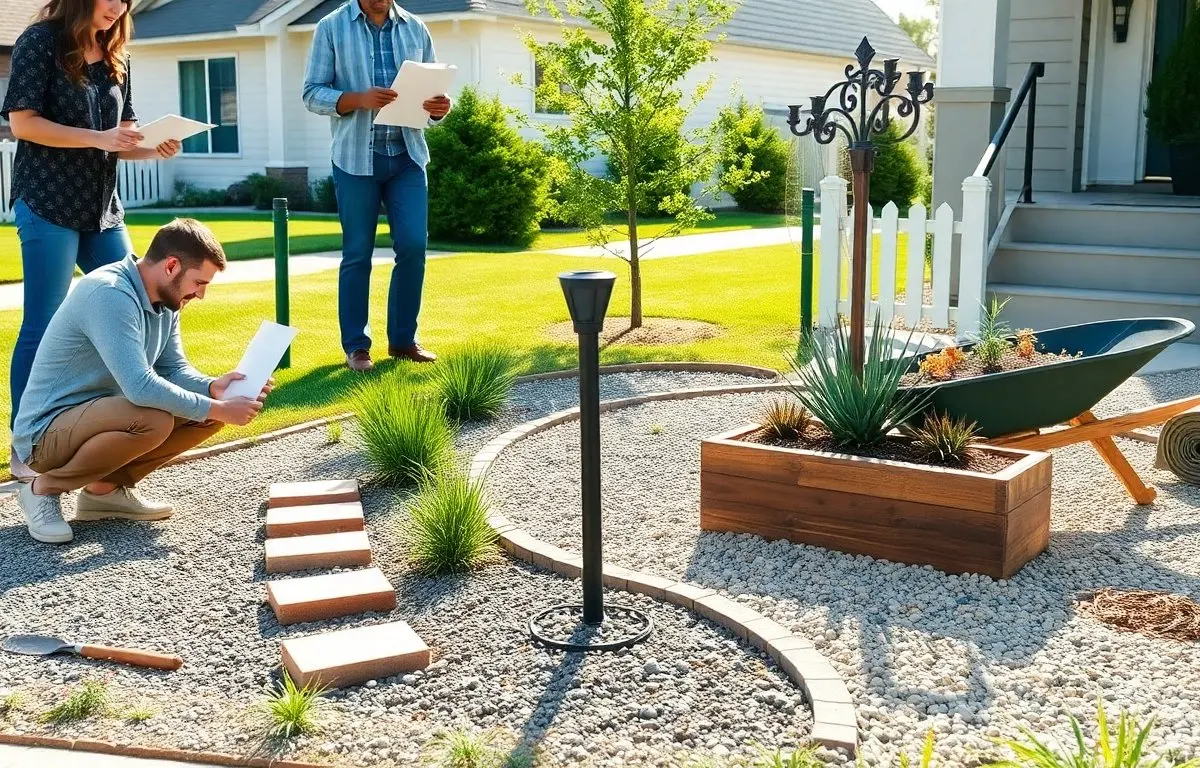
Start by measuring the front yard. Walk the space with a tape measure and sketch a simple plan showing the house, walkways, driveway, and utilities. Note sun and shade patterns at different times, any slopes, drainage routes, and existing focal points like the entry, mailbox, or a specimen tree. List potential projects and a rough cost range for materials and tools, then divide the budget into three tiers: must-do (safety, drainage, soil improvement), nice-to-have (a path, a focal planting), and future upgrades (large trees, built features). Prioritize fixes that prevent problems—improving drainage, repairing uneven steps, and creating safe paths—before cosmetic additions. When planning, keep cheap front yard landscaping ideas visible as the design constraint so choices favor durability and low cost. Choose one small, high-impact project (paint the front door, install a gravel path, or add three containers) that can be completed in a day or a weekend to build momentum and test plant selections.
Low-Cost Hardscaping That Makes A Big Impact
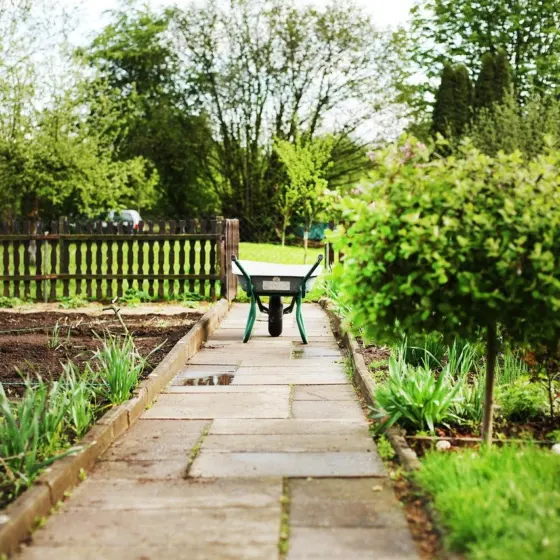
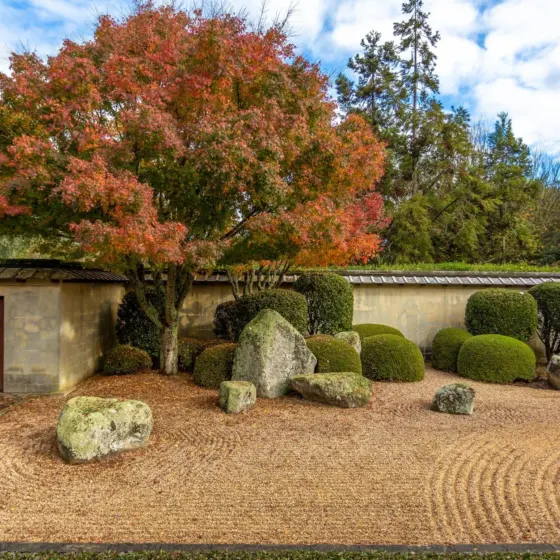
Choose simple hardscape items that last and cost little. Lay flagstone or pavers in a basic running or stepping pattern on a compacted sand base for a clean, low-maintenance path. Reuse broken concrete or salvaged pavers as stepping stones—cut or arrange pieces tightly and bed them in sand for stability. Create definition with a narrow gravel ribbon along walkways or around beds to guide visitors and reduce turf edges to mow. Paint an old fence or gate with exterior paint to instantly frame the yard without replacing materials; choose a neutral or contrasting color for curb appeal. Consider tamped decomposed granite (DG) for compacted, ADA-friendly surfaces at a fraction of the cost of poured concrete—DG drains well and can be edged with scrap timber, pavers, or metal strips. For small retaining needs, use stacked concrete blocks or railroad ties from reclaimed sources; add coarse drain rock behind them to reduce pressure. These cheap front yard landscaping ideas shift attention from minor flaws to a cohesive structure and are suitable for DIY weekend installs with a few basic tools: shovel, tamper, level, and wheelbarrow.
Budget-Friendly Planting Strategies
This section explains planting moves that create a full, mature look on a small budget. The two short subheadings below give clear tactics: select the right species and arrange them for maximum visual impact, then use color, texture, and repetition to make inexpensive plants look intentional and cohesive across the front yard.
Choose Native, Drought-Tolerant, And Low-Maintenance Plants
Select plants that fit your local climate and soil rather than fighting conditions with heavy amendments. Native, drought-tolerant shrubs, ornamental grasses, and tough perennials reduce water bills and maintenance time. Favor long-lived perennials and shrubs over annuals that require yearly replacement; bulbs and divisions can multiply inexpensive starts. When placing trees, consider mature size and root habits—choose small- to medium-sized varieties for tight spaces and keep larger specimens away from foundations and driveways. Group plants by water need so a single hose or drip line serves each zone effectively. Use soil-building tactics like topdressing with compost during planting to improve establishment without continuous fertilizer inputs. These approaches make cheap front yard landscaping ideas not only affordable initially but cheaper to maintain over years.
Use Multipurpose Plants, Grouping, And Layering For Fullness
Choose plants that serve several functions: provide seasonal color, block sightlines, or offer winter structure. Combine low groundcover for weed suppression, mid-height shrubs for form, and a few taller accent plants to create a layered, gardened look. Cluster plants in odd-numbered groups (three to five) to read as masses rather than lone specimens, and repeat the same plant groups in two or three locations to create visual ties across the yard. Add fast-growing filler plants or inexpensive annuals the first season to hide bare soil while slower perennials establish. Use contrast in leaf size and texture—broadleaved shrubs next to fine-textured grasses—to increase perceived fullness without adding many species. Proper spacing and a planting plan that anticipates mature size will avoid costly replanting and help cheap front yard landscaping ideas achieve a mature appearance quickly.
DIY Edging, Paths, And Mulch Techniques To Save Money
Edge beds with recycled brick, pavers, or cut lumber from reclaimed pallets for a neat transition between lawn and planting areas. Dig a shallow trench, tamp it, and set stones or boards tight so the line holds up to mowing and foot traffic. Make simple paths by grading a shallow trench, laying landscape fabric to suppress weeds, then adding compacted gravel or decomposed granite with stepping stones set on sand for interest. Use bulk landscape fabric under mulch only where drainage and soil life won’t be harmed long term—leave gaps near plant stems and avoid excessive layers that trap moisture against roots. Buy bulk mulch or wood chips from local suppliers and top-dress beds to reduce weed pressure; mix shredded leaves or grass clippings into mulch to stretch material and add organic matter. For low-cost edging, consider steel or plastic landscape edging hammered into the ground—quick to install and effective at keeping gravel and mulch contained. A few well-done DIY edges and paths tidy the yard and make even modest planting budgets appear purposeful.
Affordable Decorative Touches: Lighting, Containers, And Art
Use solar or low-voltage stake lights to add evening drama and safety with minimal wiring and energy cost. Place a few stake lights along the main path and spotlight a focal planting or architectural detail; layer lighting so the entry reads as welcoming. Repurpose inexpensive containers—painted buckets, reclaimed crates, or thrifted pots—and fill them with repeat plant choices to create rhythm, seasonal color, and an instant focal point near the door. Refresh an old planter or mailbox post with a coat of exterior paint and new hardware to lift the overall look for very little money. Add one piece of outdoor art, such as a repainted metal sign, wind sculpture, or a simple DIY assemblage made from found objects, to give the yard personality and a designed feel. Small touches, placed intentionally and kept to a limited palette, help cheap front yard landscaping ideas feel curated without large expense; maintain them seasonally and swap a few elements each year to keep the look fresh on a budget.