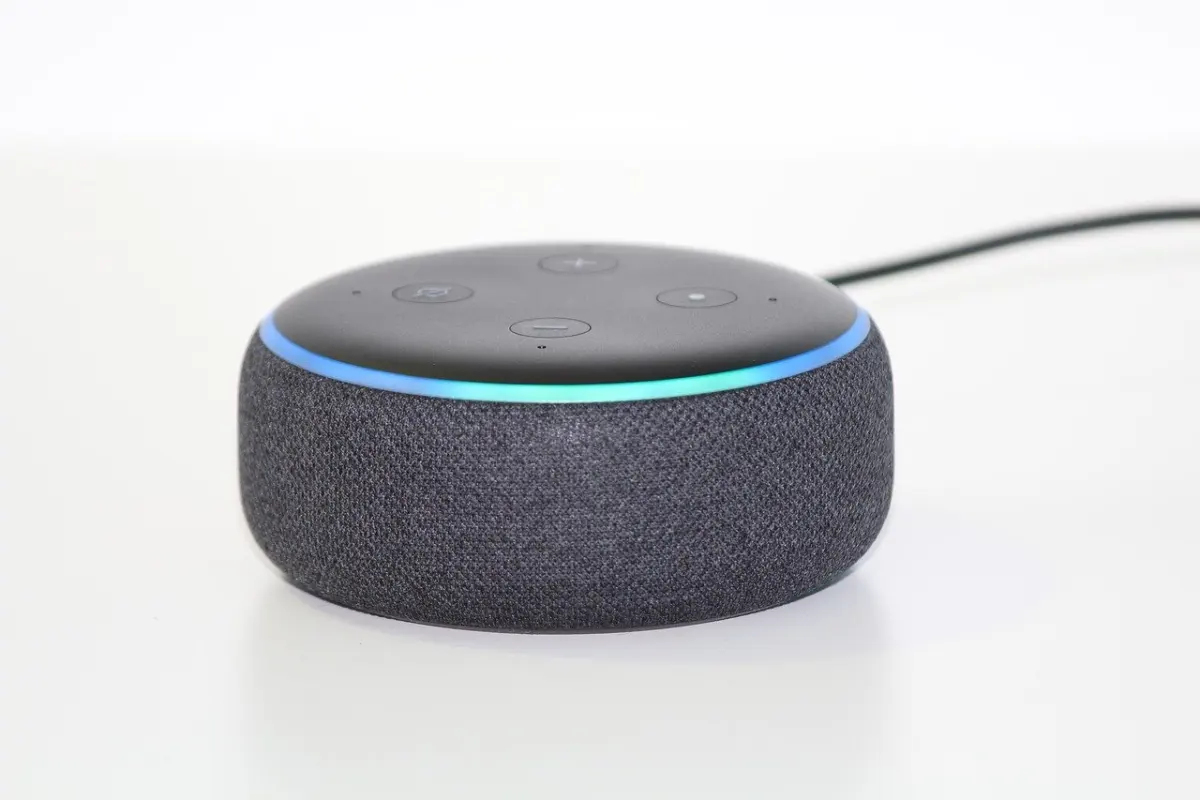
Techoelite smart homes is a section of a general tech blog, not a shop or an installer: the site files a handful of smart home guides and product write-ups under one category and publishes them alongside software, gaming and phone material. It is easy to read, light on hard specifications and uneven in focus.
| What it is | A tech and gaming blog with a Smart Homes category |
| What it sells | Nothing seen; the pages read are articles only |
| Strongest point | Plain-language, how-to style guides with a clear contact route |
| Weakest point | Mixed topics and generic titles that repeat the brand name |
| Contact | One email address and a form, with a request to mention the site name |
| Best used for | Background reading before buying, not as a buying guide on its own |
What techoelite.com smart homes actually covers
Anyone searching techoelite.com smart homes is probably trying to find out whether the site is a store, an installer or a publication. The pages read answer that fairly directly: it is a publication. The home page describes the site as a place to explore software and gaming, stay updated on gear, “embrace smart homes”, follow the social scene and uncover mobile insights. The main menu offers Software And Gaming, Tech, Tips & Tricks, About and Contact Us, with smart homes reached through a category archive.
That archive holds articles with titles such as a decoded guide to smarter and safer living, a set of curated guides and how-tos for the category, a post on building a future-proof smart home, and a product write-up headed as a 2026 review. A couple of items drift further afield, among them a landlord’s guide to automatic rent collection. People who type smart homes techoelite into a search box land in this archive, and it is the only part of the site devoted to the subject. The category therefore reads more like a loose shelf of related reading than a structured buyer’s course.
Where the smart home techoelite guides do well
Judged for what it sets out to be, the smart home techoelite section has a few real strengths. Titles say what the article is for, headings tend to promise something practical, and the tone is that of a friendly explainer rather than a sales pitch.

- Accessible language. The articles aim at householders, not engineers. Terms such as hubs, sensors and voice assistants are the sort of thing a beginner can follow.
- Safety framing. One headline links smart homes with safer living, which is the right question for a first-time buyer to ask about cameras, locks and alarms.
- A visible contact route. The Contact Us page shows an email address and a short form, and asks senders to name the site. That is a better sign of an accountable publication than a blog with no contact at all.
- Privacy basics in view. Privacy Policy and terms links sit in the footer, with cookie settings and a “do not sell my personal information” option.
Those are modest virtues, but they count. Many thin sites about smart homes hide who is behind them and offer no way to ask a question.
Where smart homes techoelite content falls short
The weak spots are mostly about focus and depth. The same brand name is worked into many titles, which makes the archive look like a group of near-identical pages. A reader scanning for something specific, such as how to link a heating controller to a speaker, has to open several articles before finding one that answers it.
- Few named sources. The pages read do not point to tests, standards or manufacturer documentation. Claims about compatibility or energy saving should be checked against the maker’s own pages.
- Mixed bylines. A single author name, Folmedil Honlis, appears against several unrelated stories. The About page speaks of a team of enthusiasts without naming anyone.
- Odd neighbours. The home page also lists items on technical college courses and remote support jobs. They are not about smart homes at all.
- Dated framing. Many titles carry the year in the headline. Those that do not state what products they cover will age quickly.
How to read a techoelite review before you buy anything
Because the site works as editorial content, a review on it is a starting point. A short routine keeps you safe.
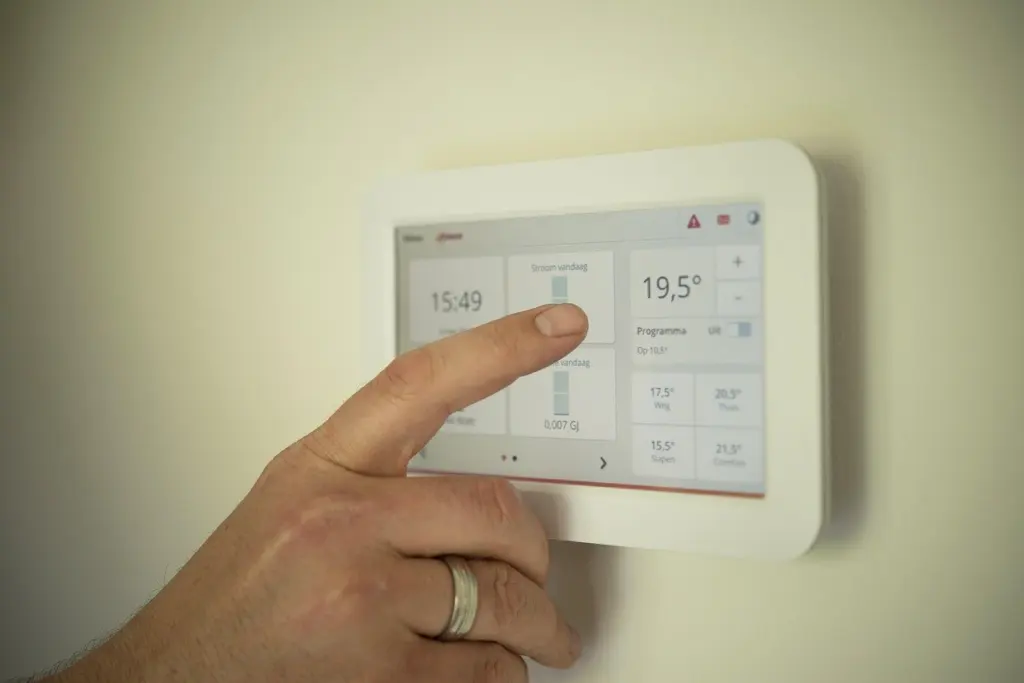
- Note the product name in the article, then open the manufacturer’s own page and compare features and prices.
- Look for the date of the article. A guide that is a year or more old may describe discontinued hardware or outdated app steps.
- Check whether the article says what it was tested on. A write-up that never mentions a model number or a room is not a test.
- Search for reviews on at least two other sites that name the same product.
- Before paying, confirm return rules and what the device needs from you: a hub, an account, a subscription.
The same routine applies to an affiliate or bargain-looking link. Nothing seen on the pages read pushes a purchase, but outbound promotions can change.
Questions about techoelite and its smart home pages
Is techoelite a company that installs smart homes?
Nothing on the pages read says so. The site presents itself as a publication, and no service area, price list or booking form was seen.
Who writes the smart home articles?
One byline, Folmedil Honlis, appears on several of them. The About page does not name staff or an owner, so no further detail about the writers can be given.
How do I contact the site about an article?
Use the Contact Us page. It gives an email address, which the site’s page obscures from some automated readers, and a form with fields for name, email and message. The page asks you to mention the site name and warns that, because of the volume of mail, only relevant propositions get a reply.
Is the smart homes section updated regularly?
The category lists a run of recent-looking 2026 titles, but how often new ones appear is not stated.
Verdict on techoelite smart homes content
As a reading list, techoelite smart homes is serviceable: friendly, readable and attached to a site that offers a contact route and privacy pages. As a decision tool it is thin, because sources are rarely named and the archive repeats itself. Use it to learn the vocabulary of smart homes, then take product facts from manufacturers, independent test labs and your local installer.
The site neither claims nor displays credentials for installing or selling smart home systems, so it is worth treating any phone call, text or email that uses the techoelite name to offer installation, discounts or account help with caution, and checking it against the contact page first.